




















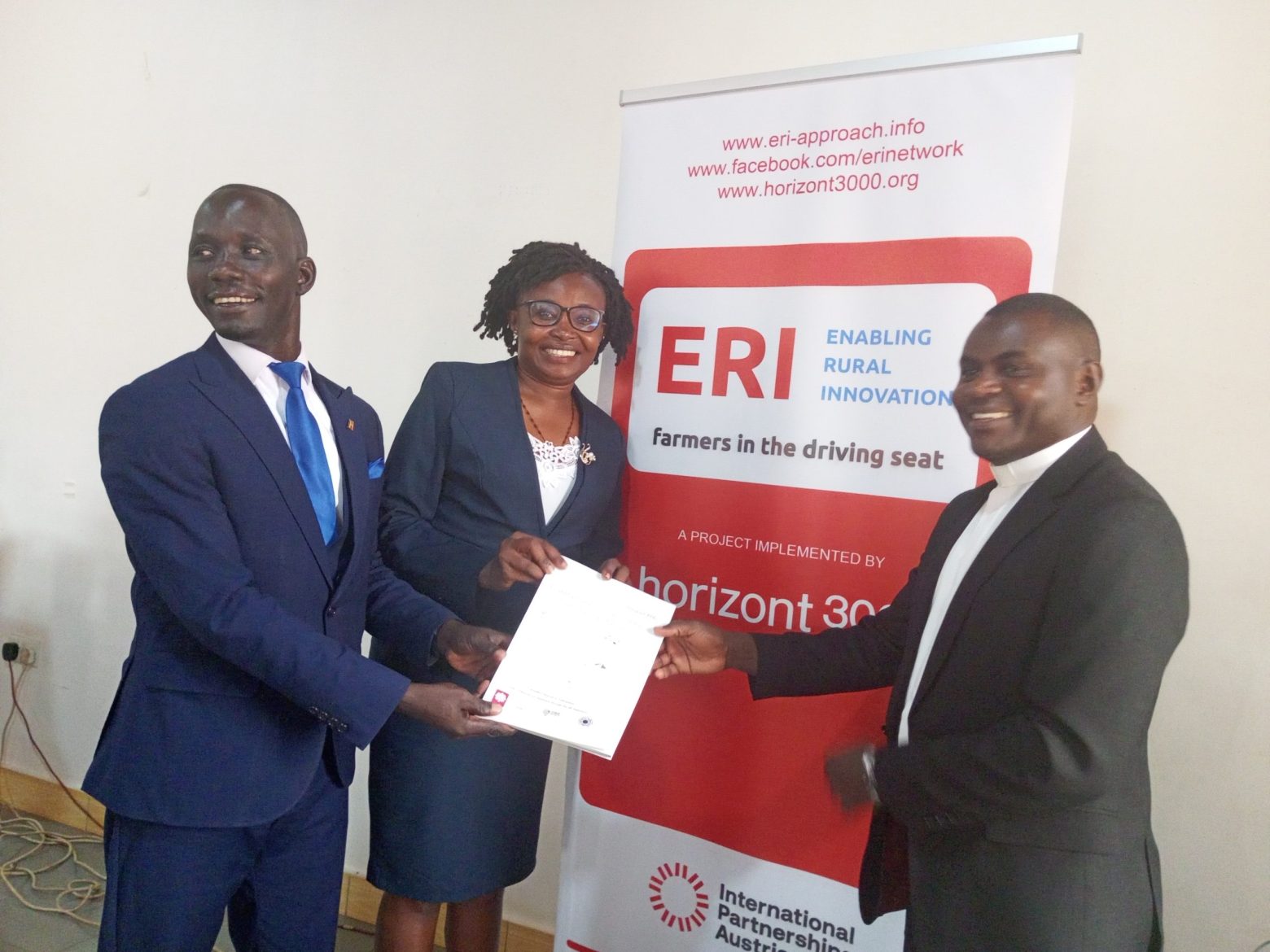
Masaka Diocese Development Organization (Caritas MADDO), in partnership with Horizont 3000, has launched a Youth Training Manual aimed at empowering young people to engage in profitable agriculture, strengthen household food security, and promote environmental conservation.
The launch, held at Maria Flo Hotel in Masaka City, brought together youth representatives from Uganda, Kenya, and Tanzania, as well as government officials responsible for district-level development and commerce.
The manual was developed under the Enabling Rural Innovation (ERI) project, which focuses on building sustainable livelihoods through agriculture and innovation.
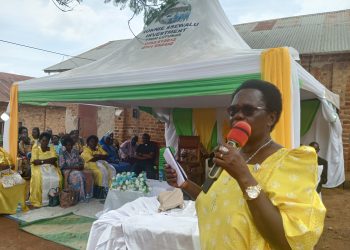
Speaking during the event, Rev. Fr. Gonzaga Kiyimba, the head of Caritas MADDO in Masaka Diocese, said research conducted by the organization revealed that many young people live in poverty due to a lack of practical knowledge and direction.
“We discovered that many youth are operating in ignorance. Some are graduates but don’t know what to do with their education. Instead, they spend time discussing politics and sports in towns rather than engaging in productive work,” Fr. Kiyimba said.
He further noted that most young people have abandoned agriculture and livestock farming, leaving it to the elderly.
“Some have sold their land to buy motorcycles, while others have turned to crime due to unemployment. This has worsened food insecurity, with some families surviving on just one meal a day,” he added.
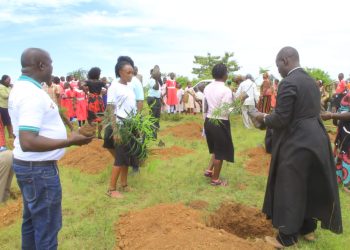
The Youth Training Manual, according to Fr. Kiyimba, aims to reverse this trend by equipping young people with agricultural, financial, and environmental skills. It emphasizes activities such as tree planting, plastic waste collection, financial literacy, leadership training, and entrepreneurship as pathways to sustainable livelihoods.
Banio Luiji Nobert, the lead consultant behind the manual, explained that the guide was designed to address youth impatience and broaden their understanding of agriculture beyond traditional farming.
“We wanted to create a manual that helps youth achieve the change they desire while learning the value of patience and planning,” he said.
“It integrates elements like leadership, financial management, budgeting, saving, debt management, and business startups—all aligned with the Enabling Rural Innovation approach.”
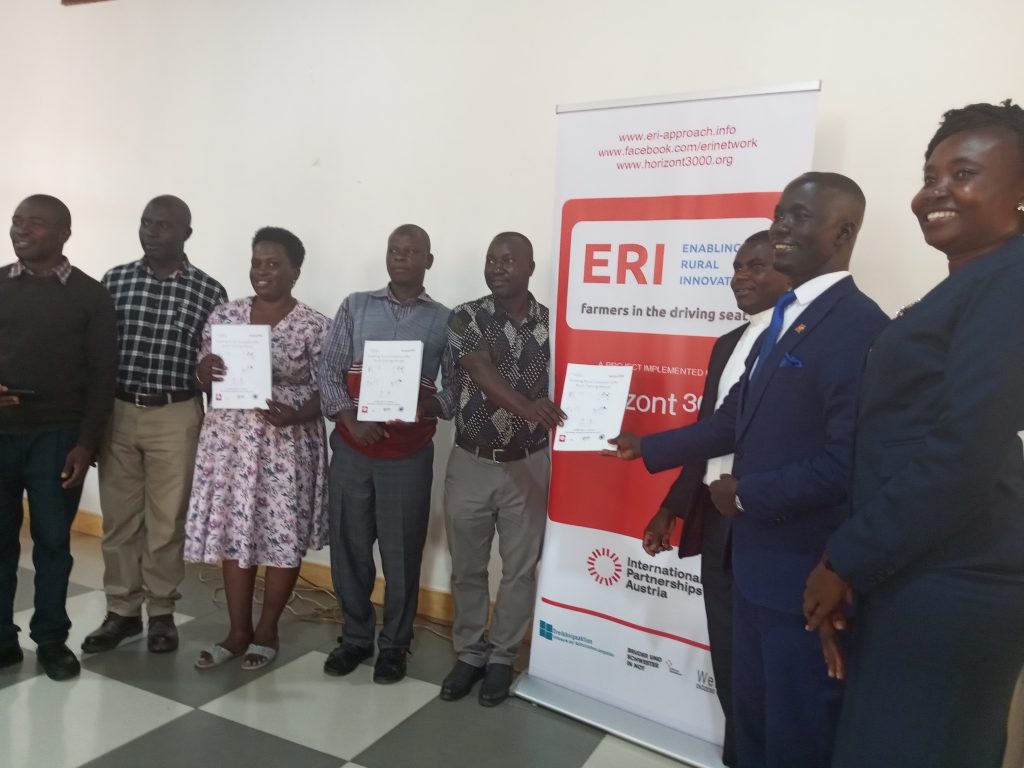
Sharon Namboozo, the East Africa coordinator of Horizont 3000, said the project collaborates with Caritas Tororo, Caritas MADDO, and YARD to empower youth through mindset change.
“Our goal is to help youth plan what they want and identify viable opportunities. Many despise certain jobs, yet through innovation—like using technology to find markets for poultry or piggery products—they can build sustainable enterprises,” Namboozo noted.
The Youth Training Manual is expected to serve as a key tool in reshaping young people’s attitudes toward agriculture and entrepreneurship while encouraging them to become active contributors to food security and environmental conservation in their communities.