

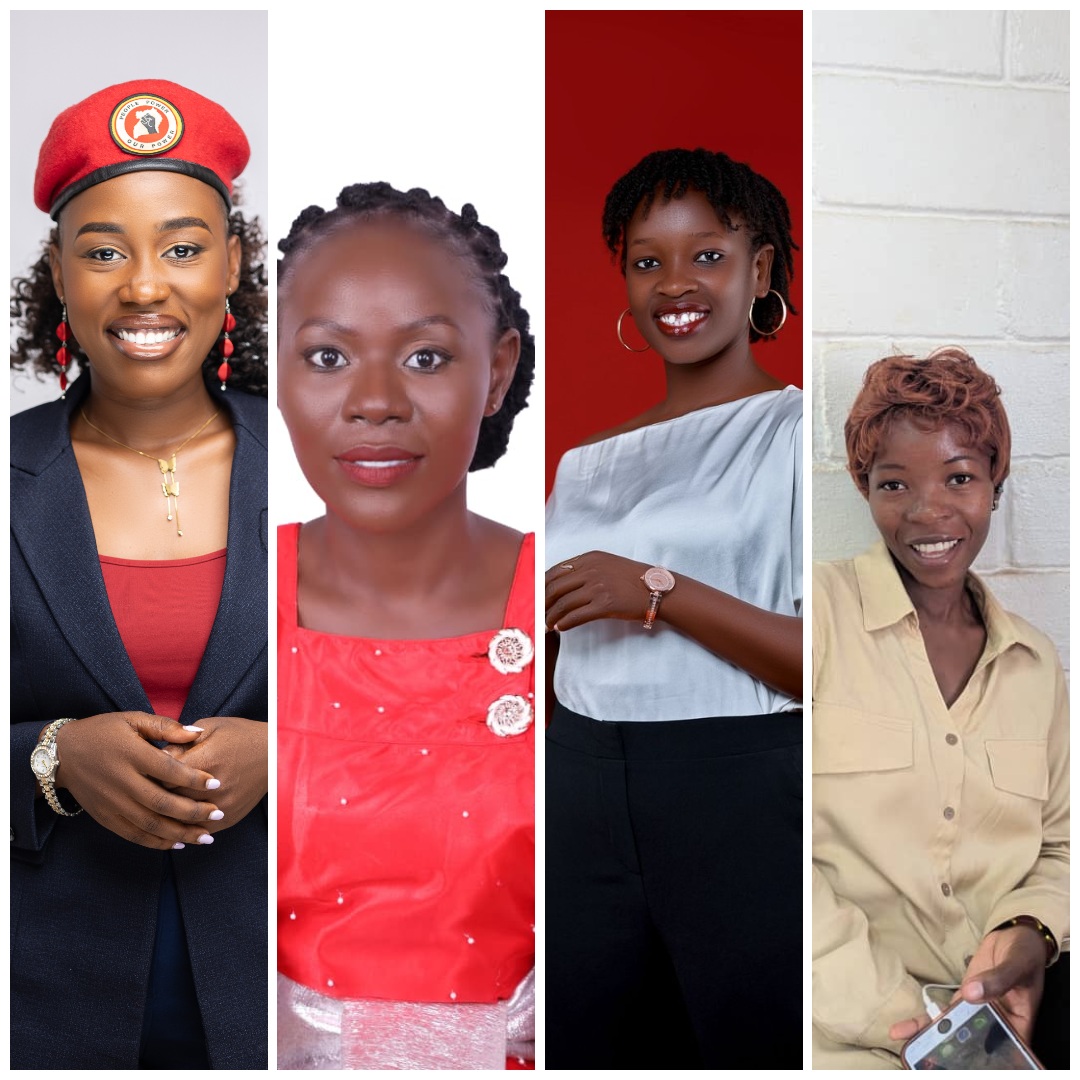
Uganda’s legal framework guarantees equal rights for all citizens but in spite of this, women’s participation in politics is on the decline.
Today, fewer women are contesting for, and holding elective positions. Research shows that financial hardship, violence, lack of support systems, and persistent gender biases are the biggest obstacles.
Detailed figures show the mixed picture. As of the latest parliamentary data, women hold about 33–34% of seats in Uganda’s national Parliament. UN Women and World Bank figures place the proportion of parliamentary seats held by women at roughly 33.9% (2021–2024).
Parliamentary records list 189 women MPs in the current Parliament (about 34% of members).
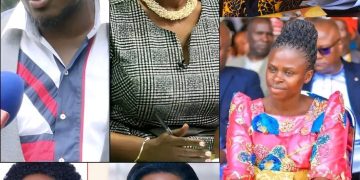
Kyambogo Parish Councillor Vastino Mutuuzo says that even with a manifesto centred on amplifying women’s voices, fighting for their rights and promoting skills development, the realities of political office often undermine her efforts.
Mutuuzo explains that unlike other leaders, councillors do not receive a monthly salary, yet communities expect them to finance activities and respond to various needs. “I am forced to use my personal money to meet community demands,” she says, noting that the financial strain limits her ability to deliver on her promises.
In Mukono Municipality, youth councillor and former Makerere University Vice Guild President Margaret Nattabi shares a similar experience. Her manifesto prioritised empowering young people and promoting women’s health, particularly through HPV and cervical cancer awareness campaigns. She planned to visit schools and communities but lacked the funds to implement her programmes.
“As women, we come with manifestos, but finances become a challenge. We even inject our own money into these projects,” she says.
Nattabi’s journey is also complicated by what she describes as state violence, including arrest and torture in 2023, which left her with lingering health issues and limited her ability to serve.
Yet Nattabi remains committed to her cause, calling for more support for women leaders and action to address systemic barriers that undermine women in public office.
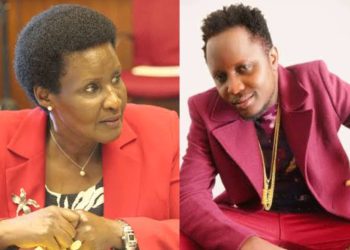
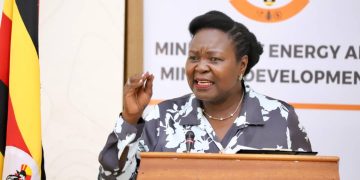
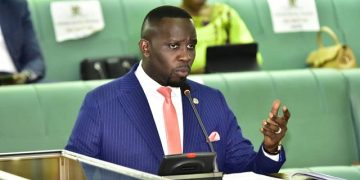
State Minister for Gender and Culture, Peace Regis Mutuuzo acknowledges these challenges and stresses the need for stronger systems to make politics more inclusive. Speaking at a recent engagement, she urged the Police to offer a more supportive environment for women reporting gender-based violence, noting that fear—especially of male officers—discourages many from seeking justice.
She emphasised the importance of reliable gender data, consistent follow-up on cases, and fair political representation. Mutuuzo highlighted some progress – 44% female representation among cabinet ministers – while also challenging society to move beyond focusing on women’s appearance instead of their leadership potential.
Teresa Among, Programmes Coordinator at Fidelis Leadership Institute believes that structural barriers begin long before women step into the political arena. She points to limited knowledge about political processes and internalised feelings of inferiority as major deterrents.
“Women often think that ‘politics is too masculine’ or ‘I can’t handle it,’ which creates mental barriers,” Among says. She calls for mentorship, leadership training, and awareness campaigns to equip women with the confidence and skills needed to compete.
Rose Pearl, a journalist with 5 years experience links the declining numbers of female participation in elections to the violent nature of Uganda’s campaign season. Tear gas, gunfire and intimidation, she says, create an atmosphere of fear that discourages women.
“Women fear for their lives. The hostility makes the political space feel unsafe,” she notes, stressing the need for peaceful and secure campaigns to attract more women into leadership.
As Uganda seeks to build a more inclusive democracy, these voices highlight a clear message – legal guarantees alone are not enough. Without financial support, safety, mentorship, and systemic reforms, many women will continue to fall off the political ladder—leaving leadership spaces without the diverse representation the country needs.
The production of this story was made possible through financial support from the Finnish Foundation for Media and Development (VIKES), in partnership with the Uganda Media Women’s Association (UMWA)