

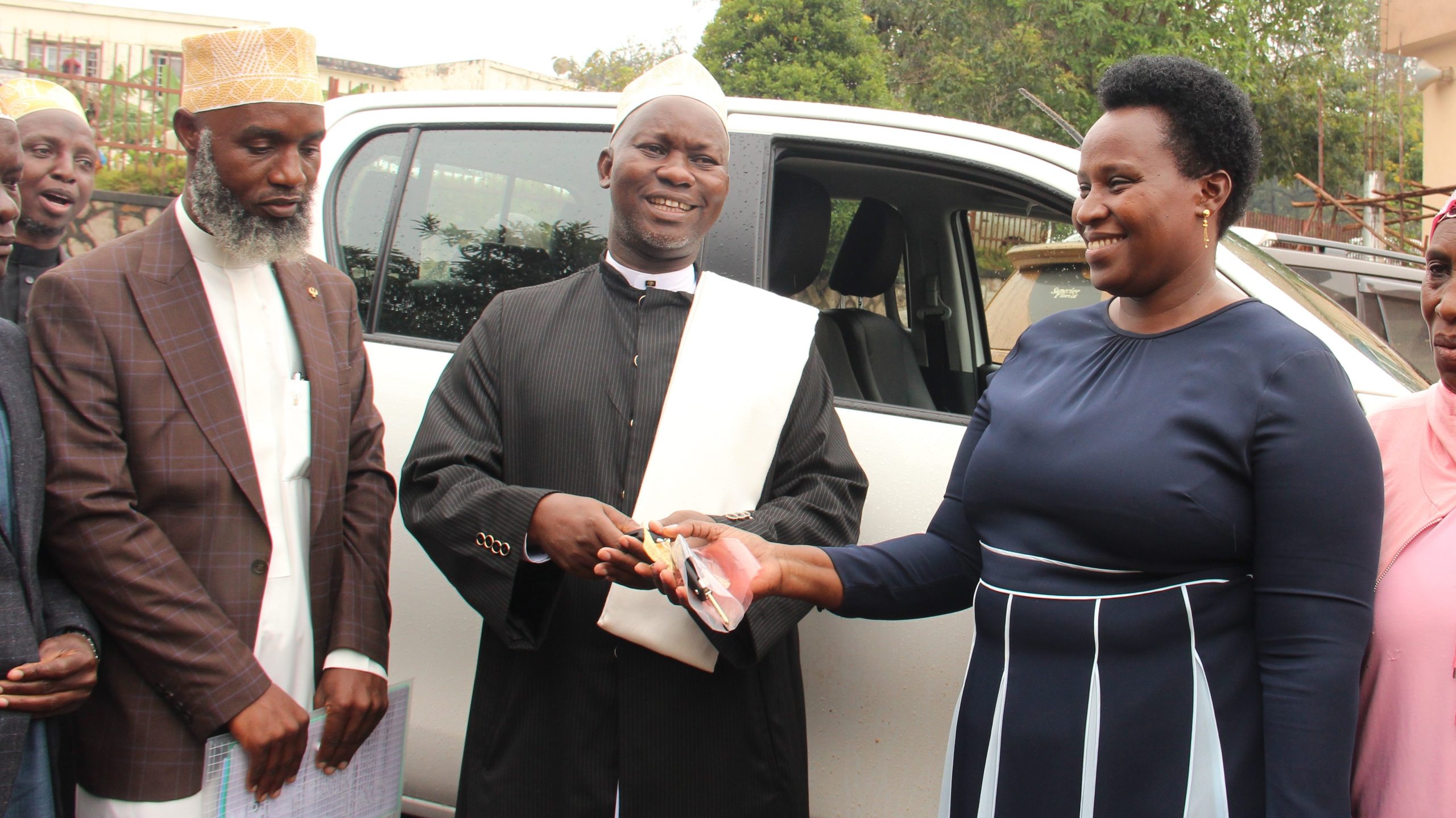
Nine years after President Yoweri Museveni promised vehicles to religious groups in Masaka, the commitment surfaced again as the country entered a fresh election season, with the handover taking place on the eve of yet another campaign stop.
During the 2016 presidential race, President Yoweri Museveni pledged cars for Muslim leaders and a coaster for Catholic groups in the city. On the eve of his fresh campaign stop at Masaka Liberation Square, the pledge took physical form.
Two new double-cabin pickup trucks drove into Masaka under State House authority. The vehicles went to Masaka District Kadhi Huzairu Kiruuta and Old Kampala District Kadhi Yasin Nseera. A separate coaster went to the Kitovu Youth Parish and the Kimaanya Catholic Choir.
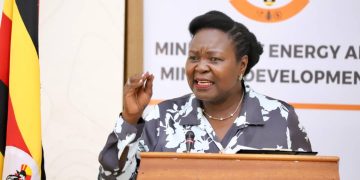
State House Comptroller Jane Barekye led the handover. She urged the beneficiaries to support National Resistance Movement candidates so that they may gain more in the future Government.
Barekye says that if you vote for NRM politicians, they will have an easier time meeting with the president and assigns him the responsibility of sourcing development projects in the area. According to her, Masaka has been excluded from various initiatives due to her affiliation with the opposition.
Kadhi Huzairu Kiruuta welcomed the pickup truck and offered open political backing. He said Muslim leaders in the district resolved to block opposition politicians from addressing mosques.
“We are mobilizing our followers so NRM wins here. We support President Museveni and all NRM candidates,” Kiruuta said.
Not all voices struck a celebratory tone. Ali Kateregga, an NRM mobiliser for Kimaanya-Kabonera Division, said while President Museven has met his pledge, Masaka residents still want to see him improve the health sector.
Kateregga claims Masaka, which has a regional hospital, lacks enough drugs and staffing to meet the volume of patients seeking medical attention
“NRM supporters may be afraid to tell the president that the health sector is decaying, but they are busy encouraging voters to give NRM another chance,” he added.
At Kimaanya Parish, the mood shifted toward neutrality. Rev. Fr. Vincent Nanseera, chaplain of Blessed Sacrament Kimaanya Secondary School, received the choir coaster with gratitude. He said the vehicle will ease travel for services outside the parish.
He also drew a clear line between appreciation and politics.
“The church stays open to all candidates,” Fr. Nanseera said. “Voters listen and choose on their own. This is God’s house, and we welcome everyone who enters.” Fr. Nanseera stated.
These vehicular arrivals aren’t just about mobility; they symbolize the delicate dance of promises and expectations in Uganda’s campaign seasons. In a country where elections often hinge on grassroots networks, such gestures can sway hearts, or at least spark debates.
In the same vain, they invite scrutiny under the law. Uganda’s electoral framework strictly prohibits voter inducements, including monetary or in-kind gifts aimed at influencing votes.
Electoral law bars candidates and agents from handing out donations during campaign periods, with penalties ranging from fines to prison. But, in practice, separating Museveni the candidate from Museveni the president has remained a persistent challenge.
In Masaka city, the campaign has arrives on wheels. The vehicles carry promises, expectations, and old voting wounds. The ballots will decide where the road leads next.
However, the political context remains sharp. In the 2021 presidential vote, National Unity Platform candidate Robert Kyagulanyi won Masaka with 53,444 votes representing 77.18% of the cast votes. Museveni polled 14,992 (21.65%).