
















Uncertainty continues to cloud the situation of Ugandan migrant worker Vicky Ajong in Syria, as conflicting information circulates online about her status.
Viral social media claims alleging that she had been killed have been challenged by a migrant rights body that says she remains alive.
Kyeyo Initiative Uganda, which advocates for the welfare of Ugandan migrant workers overseas, maintains that Ajong is currently being held in detention, dismissing reports suggesting she had either been executed or returned to Uganda.
The organization says it is directly representing her interests after securing legal authority to act on her behalf.
Executive Director Kenneth Oloka explained that the group has been relying on trusted contacts in Syria and insists there is no confirmation of her death.
He stressed that if such an event had occurred, their established verification channels would have relayed that information.
Ajong is said to have been detained following accusations that she killed her employer, identified as Huda Shaarawi, on January 29, 2026.
Online narratives have claimed she was sentenced to death and already executed, but Kyeyo Initiative disputes these assertions, saying there is no official verification of such developments.
The organization has since contacted Uganda’s Ministry of Foreign Affairs seeking intervention, protection, and the possibility of her repatriation.
The incident has reignited debate over the safety of Ugandan migrant workers deployed to unstable or conflict-affected regions.
Migrant Workers Voice, an international advocacy organization, has expressed concern that Ajong could face severe punishment without what it considers a transparent and fair judicial process.
The group further questions the legality of Ugandan labour deployment to Syria, noting the absence of a bilateral labour agreement between the two countries.
It argues that sending workers under such circumstances may violate international labour and anti-trafficking standards, including provisions outlined in the Palermo Protocol.
According to the organization, the lack of formal employment safeguards increases the risk of exploitation, coercion, and abuse.
Advocates are calling for a comprehensive inquiry into the circumstances surrounding Ajong’s arrest, including whether she may have experienced mistreatment or acted under pressure — issues frequently reported among vulnerable migrant domestic workers.
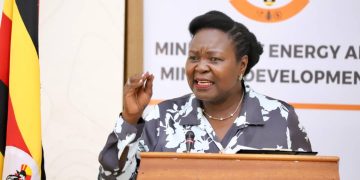
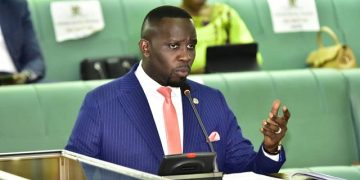
ICT and National Guidance Minister Dr. Chris Baryomunsi acknowledged awareness of the circulating claims but said the government had yet to receive verified details.
He stated that authorities would coordinate with the Ministries of Foreign Affairs and Gender, Labour and Social Development to establish the facts.
Baryomunsi noted that Uganda continues to confront challenges linked to overseas labour migration and emphasized ongoing efforts to strengthen monitoring systems.
He highlighted plans for a digital tracking framework designed to improve oversight and protection for Ugandans working abroad.
While referencing early reports about Ajong’s alleged death, the minister stressed that any government response would depend on confirmed information.
Possible actions could include diplomatic engagement and support for her family if necessary.
He also addressed separate concerns involving Ugandans reportedly stranded in Cambodia, affirming that government agencies are pursuing diplomatic avenues to safeguard their welfare and facilitate their return.
Ajong’s case has intensified scrutiny of migrant worker protections, recruitment practices, and the broader risks faced by Ugandans seeking employment abroad, especially in destinations with weak legal safeguards.