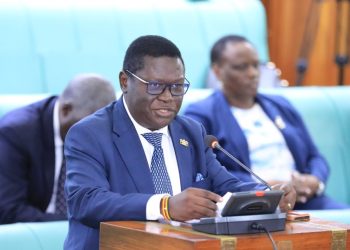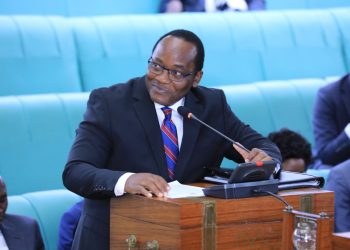


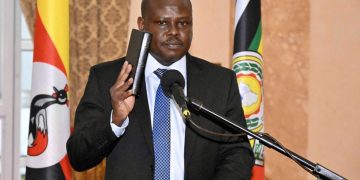

















The mover of the Sexual Offences Bill, 2024, Anna Adeke, has withdrawn the proposed legislation from the Parliament of Uganda, citing concerns that the numerous and conflicting views raised during scrutiny could significantly alter the original intent of the Bill.
The withdrawal was announced during the plenary sitting by Flavia Nabagabe, the Woman Member of Parliament for Kassanda District, who moved the motion on Adeke’s behalf.
Adeke, the Woman MP for Soroti City, said the varying proposals and opinions that emerged during consultations and parliamentary review risked diluting the core objectives of the Bill, prompting the decision to withdraw it before further consideration.
The Sexual Offences Bill was first introduced in Parliament on October 14, 2024 and referred to the Committee on Legal and Parliamentary Affairs for scrutiny.
The proposed legislation sought to establish a comprehensive legal framework to address sexual offences in Uganda, strengthen prevention of sexual violence, enhance punishment for offenders and ensure stronger protection for victims during criminal proceedings.
Under the proposed law, a wide range of offences were to be clearly defined, including rape, aggravated rape, sexual assault, indecent exposure, sexual harassment, sexual exploitation and offences committed through online platforms.
The Bill also provided for offences involving children such as defilement, child grooming, child prostitution and child sex tourism.
One of the major proposals in the Bill was the establishment of a national sex offenders’ register to be maintained by the National Identification and Registration Authority, where individuals convicted of sexual offences would have their details recorded to aid monitoring and prevention.
The Bill further proposed enhanced punishments for serious sexual offences, including life imprisonment for rape and the death penalty for aggravated rape and aggravated defilement under specific circumstances.
It also sought to strengthen the protection of victims during trial by allowing courts to hold proceedings in camera, restrict publication of victims’ identities and permit courts to award compensation and rehabilitation support to survivors of sexual violence.
In addition, the legislation aimed to consolidate sexual offence provisions currently scattered across different laws such as the Penal Code Act, the Prevention of Trafficking in Persons Act, the Domestic Violence Act and the Children Act, into a single legal framework to make enforcement more effective.
Adeke had earlier argued that the scattered nature of sexual offence provisions in various laws makes it difficult for the public and law enforcement agencies to effectively prevent, investigate and prosecute sexual violence cases.
The Bill also attempted to address emerging forms of sexual abuse, including offences committed through digital platforms and the use of artificial intelligence to generate explicit content without consent.
Although the Bill has now been withdrawn, its proposals had sparked intense debate among legislators, civil society organisations and the public, reflecting the complex and sensitive nature of sexual offences legislation in Uganda.
Observers say the issues raised in the proposed law are likely to resurface in future legislative efforts aimed at strengthening the country’s response to sexual violence.