

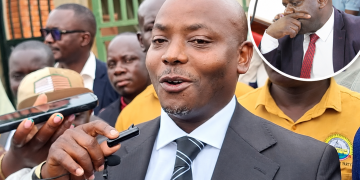
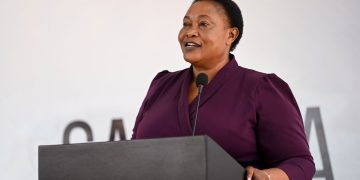







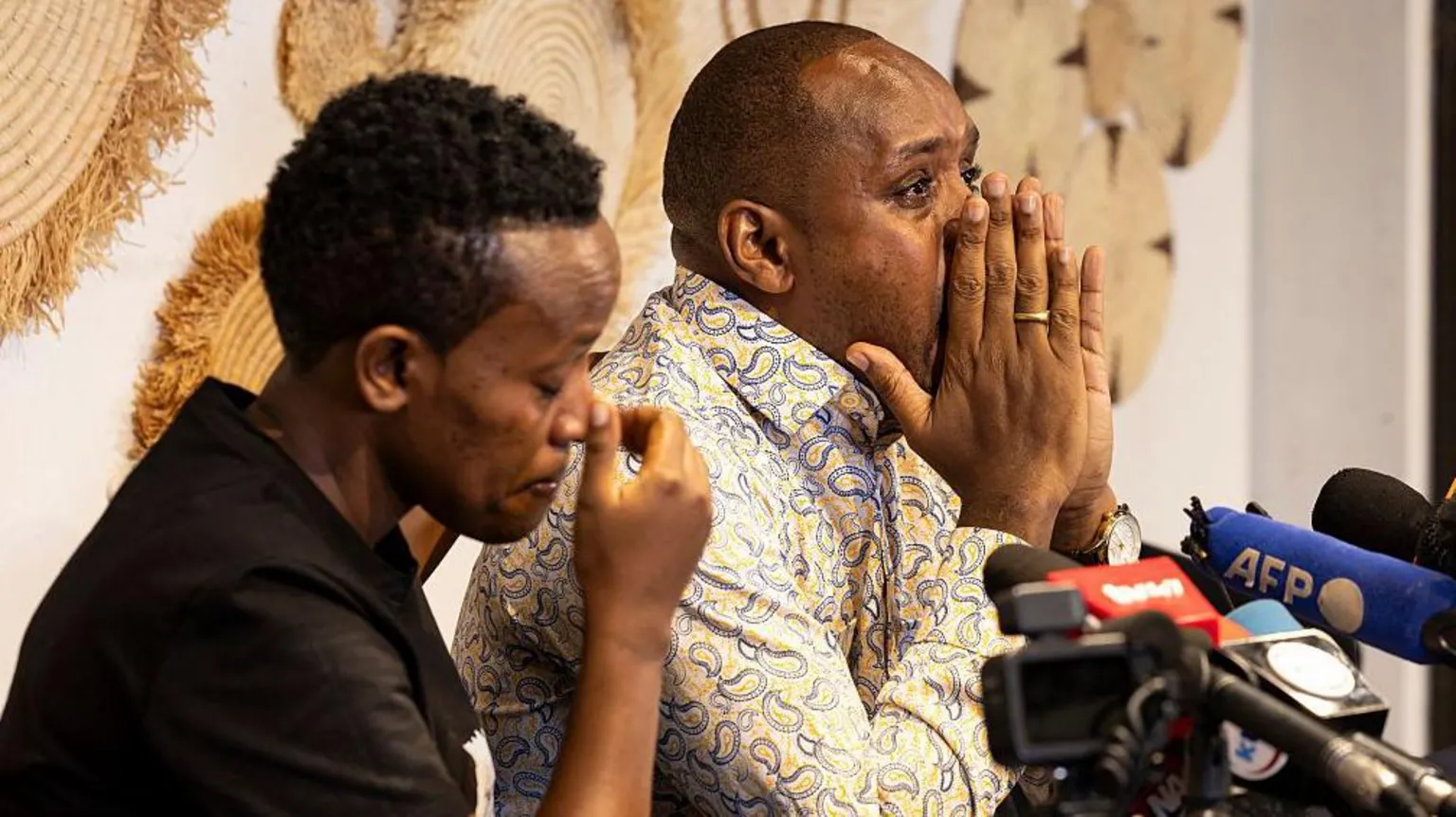
The US has sanctioned a senior Tanzanian police official over allegations linked to the “torture and sexual assault” of East African rights activists Boniface Mwangi and Agather Atuhaire last year.
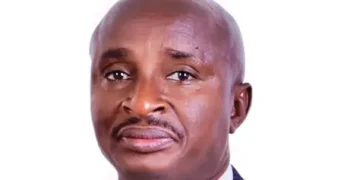
In a statement, US Secretary of State Marco Rubio said the State Department had designated Faustine Jackson Mafwele based on “credible information that he was involved in gross violations of human rights”.
Tanzania’s Foreign Affairs Minister Mahmoud Thabit Kombo told the BBC that the government had yet to receive the formal designation, which bars Mafwele from entering the US.
The sanctions come amid growing scrutiny of Tanzania’s human rights record, with US lawmakers calling for tougher action.
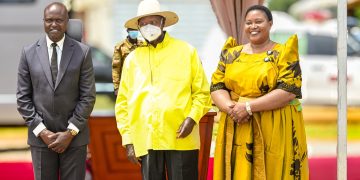
The two activists had travelled to Tanzania to observe the trial of opposition leader Tundu Lissu last May when they were detained and later released, with Kenyan activist Mwangi saying he was held for several days alongside Uganda’s Atuhaire.
Mwangi alleged that he was stripped naked, hung upside down, beaten on the feet and sexually assaulted in detention, while Atuhaire also said she was raped during her detention in Tanzania.
Tanzanian police at the time dismissed the torture allegations, describing the activists’ accounts as “opinions” and “hearsay”.
But Rubio, in a statement issued late on Thursday, said members of the Tanzanian Police Force (TPF) had “detained, tortured, and sexually assaulted” the two activists.
The statement did not explicitly outline Mafwele’s alleged role, but Assistant Secretary of State for Democracy, Human Rights, and Labor Riley Barnes said the US was “taking action to promote accountability for this heinous act”.
In February, BBC Africa Eye released a documentary, Tanzania’s State of Fear, on a wave of kidnappings in Tanzania. In it, survivors including Atuhaire and Mwangi named Mafwele as the main perpetrator. He did not comment on the allegations.
Mafwele, who serves as Tanzania’s senior assistant commissioner of police, is the first senior government official under President Samia Suluhu Hassan’s administration to face foreign sanctions.
The BBC has contacted the Tanzanian police for comment.
Amnesty International had previously called for an urgent investigation into what it described as the arbitrary arrest, torture, incommunicado detention, and forcible deportation of the two activists.
Human Rights Watch also cited the case in this year’s report on Tanzania, pointing to a broader crackdown on opposition figures, activists, and free expression.
The sanctions come as Tanzania continues to investigate reports of political repression and abuses surrounding the general election held last October.
A total of 518 people died, including 197 who were shot dead, during widespread protests that followed the disputed election, according to the commission of inquiry set up to investigate the violence, which released its findings last month.
The commission did not say who was responsible for the killings but blamed foreign-sponsored groups for the violence. However, opposition leaders and human rights groups say the death toll was even higher and accuse security forces of shooting unarmed protesters.
President Samia was declared the winner of the poll with 98% of the vote, which the opposition described as a “mockery” of democracy after her main challengers were excluded.
At the time, the president said the election was fair and transparent and blamed foreigners for the violence, saying it was part of a plot to overthrow her government.
The authorities have admitted using force against protesters, claiming that some groups were attempting to forcibly change the regime.
On Tuesday, US lawmakers called for tougher action against the East African nation to reverse what they described as democratic backsliding.
Last December, Washington accused the Tanzanian government of repressing religious freedom and free speech, blocking US investment, and failing to prevent violence before and after last year’s elections.
It said these actions had put American citizens, tourists, and US interests at risk and threatened decades of security and development cooperation.
The Tanzanian authorities did not respond.
President Samia came into office in 2021 as Tanzania’s first female president following the death of President John Magufuli.
She was initially praised for easing political repression, but critics say the political space has since narrowed.