
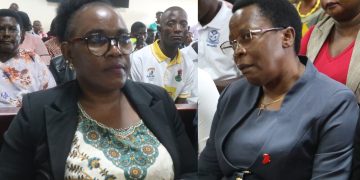
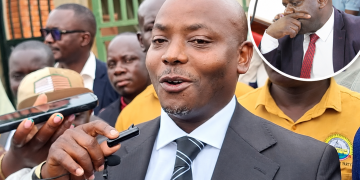
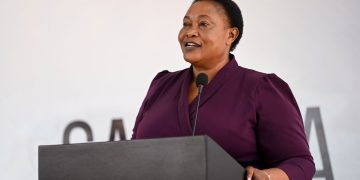








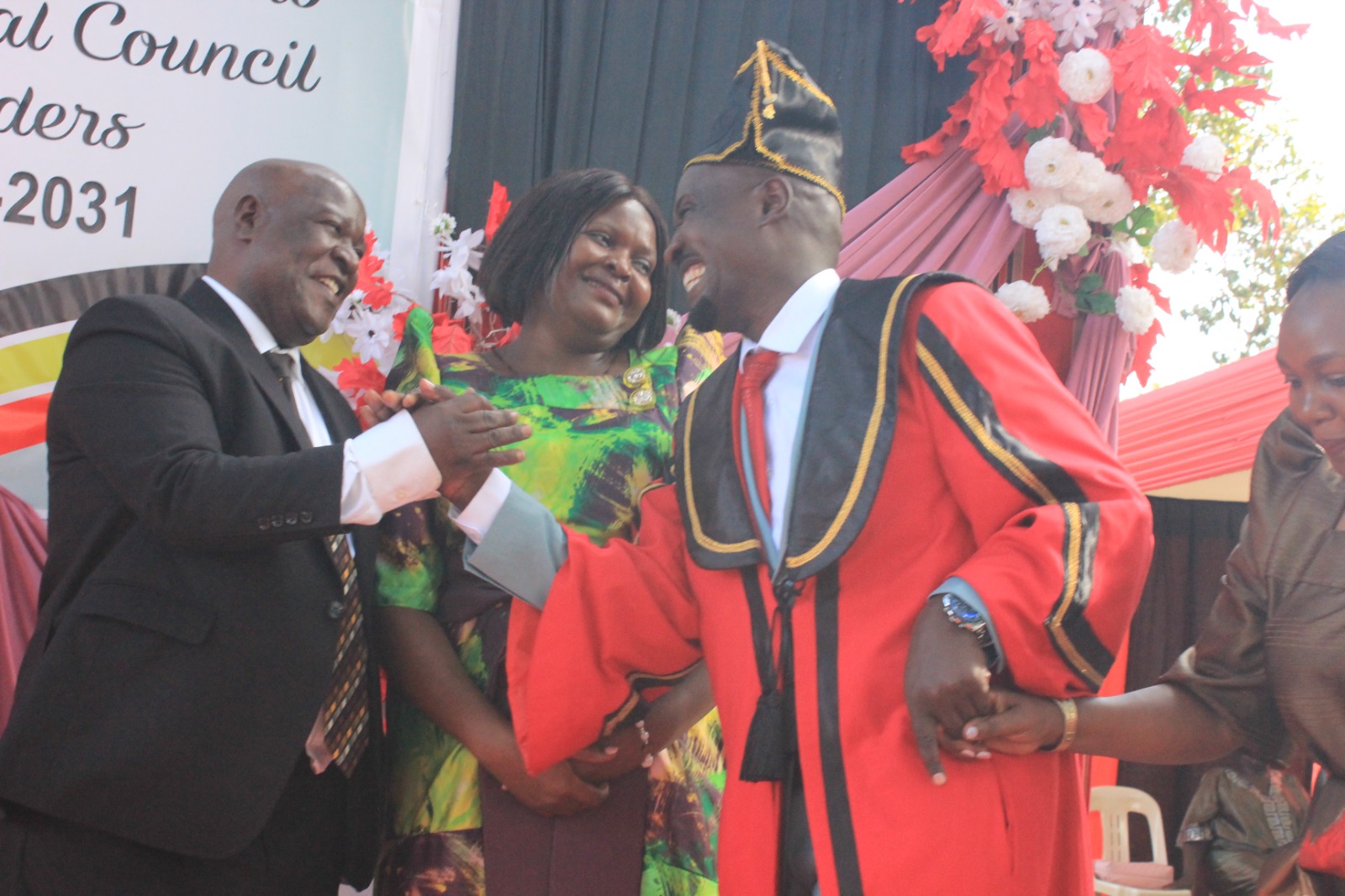
The election of the Mukono Municipal Speaker has exposed deep cracks within the opposition dominated council, raising questions about the unity and strength of the National Unity Platform in one of its key political strongholds.
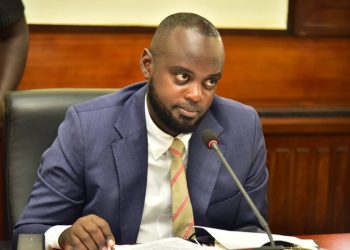
Against expectations, Constantine Kanga of the National Resistance Movement defeated NUP’s Pheobe Faith Babirye in a tightly contested race for speaker, securing 13 votes against Babirye’s 11.
The outcome stunned many political observers because the NRM has only six councillors in the municipal council, meaning several NUP councillors crossed party lines to back Kanga.
The vote immediately exposed simmering divisions within the NUP camp, particularly between Mukono Municipality Mayor Robert Peter Kabanda and Mukono Municipality Member of Parliament Betty Nambooze.
For months, the two camps had struggled to coexist despite working together during the recent general elections. Kabanda’s allies have often credited him with mobilising support that helped secure Nambooze’s victory, especially during polling day operations.
However, tensions resurfaced during negotiations over the composition of council leadership and executive positions.
Sources within the council say Kabanda had pushed for consensus building among NUP councillors before the speaker election, hoping to avoid internal conflict. But events during Friday’s sitting appeared to overwhelm him emotionally.
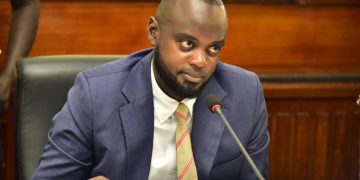
In an unusually candid address shortly after the vote, Kabanda openly admitted he had not voted for Kanga and accused some councillors of betraying the party and its principles.
“Whatever is going on in this country, you have betrayed us,” Kabanda told councillors in a visibly emotional speech.
“We can have competition in the House, but when you sell your souls, money may not buy everything.”
While congratulating Kanga on victory, Kabanda insisted the NRM councillor had merely benefited from divisions within NUP.
“You have not stolen the votes. You have won National Unity Platform candidates,” he said.
Kabanda further revealed that consultations would first be held with party leaders before allocating additional committee and executive positions, suggesting that mistrust now dominates the council’s internal politics.
“The betrayals are near our hearts, I do not want to rush because I may act out of emotions.”
Despite the political bitterness, Kabanda appealed for calm and urged councillors to prioritise service delivery over personal rivalries.
“How would it be if you people respected me as your mayor because I am the people’s choice?” he asked. “The bigger motive of us being here is service delivery.”
Kanga, in his acceptance speech, attempted to strike a conciliatory tone, promising to work with all sides regardless of political affiliation.
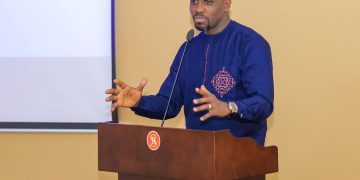
“My role as speaker is to bridge the gap between council, the mayor and the technical team,” Kanga said.
Beyond the political contest, the speakership race also drew intense interest from the municipality’s technical wing.
Journalists covering the event reported attempts by some officials to block media access to proceedings before eventually backing down.
Rumours circulating within municipal offices suggested sections of the technical team preferred Babirye as speaker because of her outspoken oversight role while serving as a councillor for Central Division.
Babirye has also previously been viewed as a critic of Nambooze, adding another layer to the complex political dynamics that shaped the vote.
Nambooze cautioned councillors and technocrats against interfering in each other’s responsibilities.
“Let everybody keep his lane. If technical people start meddling in political matters, we shall definitely collide.”
She also reminded NUP leaders that voters had entrusted them with a mandate to deliver the party’s promise of “a new Uganda. We should not lose sight of that,” she said.
Moments after the council session ended, tensions remained visible. Joakim Ssendi, a key mobiliser in Kabanda’s camp, reportedly interrupted a conversation between Kabanda and Nambooze before leading the mayor away.
“Someone who does not love you will never love you,” Ssendi reportedly told Kabanda while accusing Nambooze of conspiracy and double standards.
The developments left even senior NUP leaders visibly unsettled.
Mukono District Woman Member of Parliament Sheilla Amaniyo admitted the outcome had shocked party members.
“What has happened has shocked all of us, especially me who belongs to the party that had the numbers here,” Amaniyo said.
“Regardless, we move. We shall sort those small issues.”
She urged leaders to unite and focus on the needs of residents.
“Let us put Mukono first. Let us put the people first. The time to work has begun.”
Meanwhile, Mukono Resident District Commissioner Fatumah Ndisaba appealed for cooperation between political rivals, warning against excessive party interests overshadowing governance.
“We want to see the elected mayor and the elected speaker sitting together and thinking for the people of Mukono,” Ndisaba said.
“I would not love to see NUP or NRM taking precedence. I just want to see service delivered.”
Editorial Analysis
The Mukono speakership vote may appear like a routine council election, but politically it sends a bigger message. NUP still commands numerical strength in Mukono, yet the failure to unite behind one candidate exposed growing internal divisions and competing centres of power within the party.
For the NRM, Kanga’s victory provides an opportunity to regain influence in a municipality that has recently leaned heavily towards the opposition. For NUP, however, the outcome could become an early warning sign ahead of future political battles if reconciliation between rival camps does not happen quickly.
The events also showed that local politics in Mukono is no longer simply about NRM versus NUP. Increasingly, the real struggle appears to be within the opposition itself, where personal loyalties, influence and control over local structures are shaping political decisions as much as party ideology.
ENDS.