

















The Government of Uganda together with UNICEF has unveiled a new five-year Country Programme for 2026–2030 aimed at addressing growing challenges affecting children across the country, including teenage pregnancy, child trafficking, malnutrition, violence and school dropout.
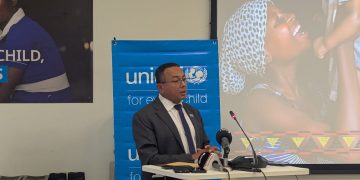
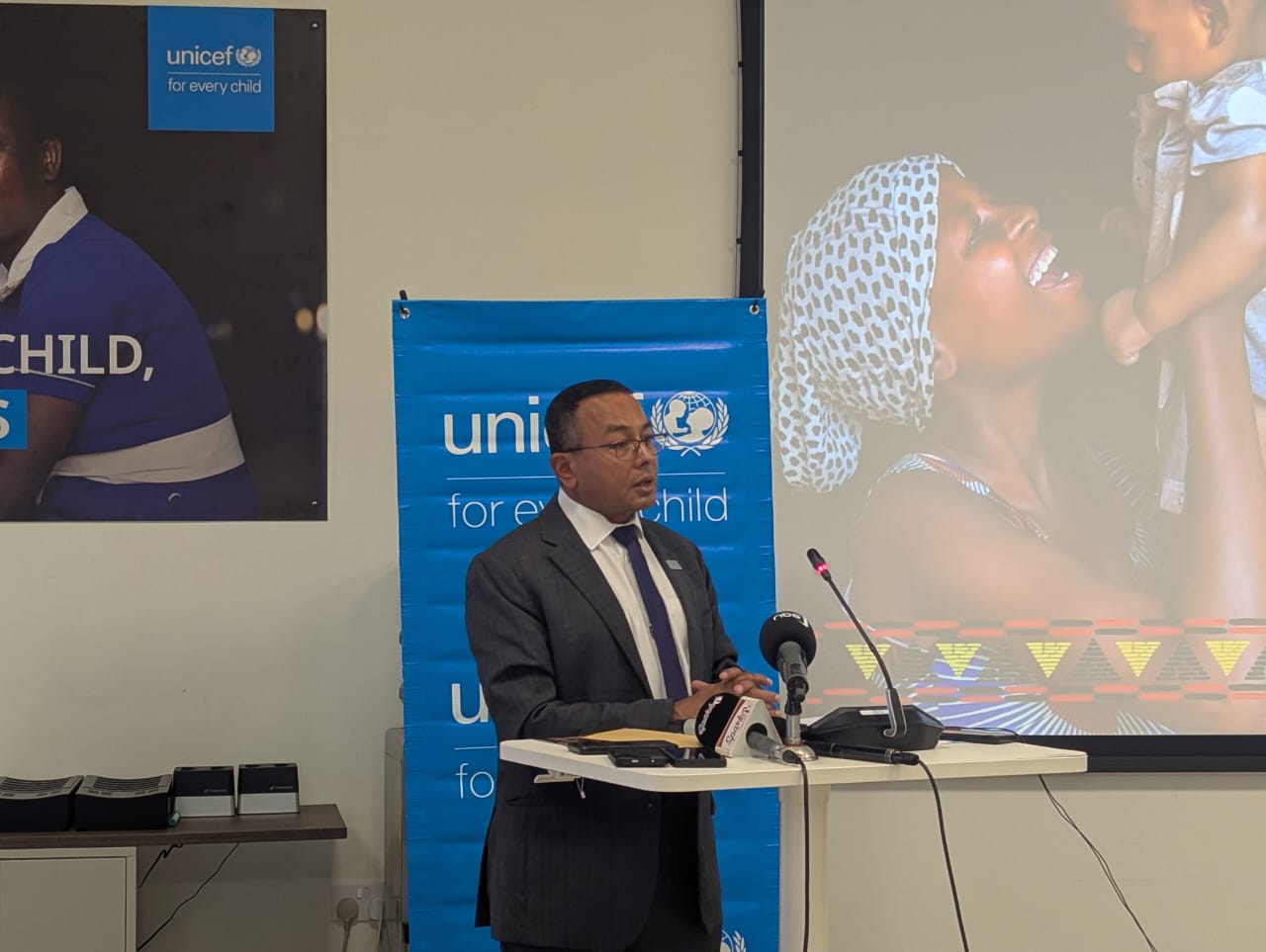
Speaking during a media briefing in Kampala, UNICEF Representative to Uganda Dr Robin Nandy said the programme seeks to ensure that every child in Uganda survives, thrives and reaches their full potential.
Dr Nandy noted that Uganda has one of the youngest populations in the world, with more than half of the population below 18 years and nearly 75 percent under the age of 30.
He said although the youthful population presents a major opportunity for economic growth, many children continue to face serious challenges including poverty, poor nutrition, violence, child labour and limited access to quality education and healthcare.
According to Dr Nandy, the new programme will focus on strengthening education, health and nutrition services, child protection systems, water and sanitation, as well as social welfare programmes for vulnerable children.
He revealed that UNICEF is particularly concerned about the increasing rates of teenage pregnancy in Uganda, noting that one in every four girls experiences pregnancy during their teenage years.
“Keeping girls in school is one of the most effective ways of reducing teenage pregnancy and early marriage,” Dr Nandy said.
He explained that poverty, lack of sanitation facilities in schools, limited parental support and harmful social practices continue to push many girls out of school.
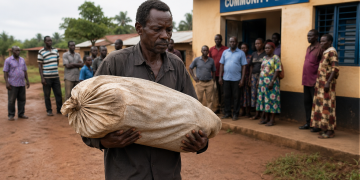
The UNICEF official also raised concern over child trafficking and the growing number of children living on streets, especially children from vulnerable communities in regions such as Karamoja.
He said UNICEF has been working with government agencies and local leaders to rescue vulnerable children, return them to their communities and reintegrate them into schools.
Dr Nandy further warned that malnutrition remains a major challenge despite Uganda having enough food production.
“There is no shortage of food in Uganda, but poor feeding practices and lack of dietary diversity continue to affect children’s growth and development,” he explained.
UNICEF also highlighted new threats facing children including internet abuse, online exploitation and risks associated with emerging technologies such as artificial intelligence.
The agency called on the media to promote accurate information and help amplify the voices and concerns of children across the country.
Chief of Communications, Advocacy and Partnerships at UNICEF Uganda, Yves Willemot, said the programme was jointly developed by UNICEF and the Government of Uganda and will run from 2026 to 2030.
He explained that the programme is guided by the Convention on the Rights of the Child and is intended to ensure that no child is left behind, including refugees, children with disabilities and orphans.
UNICEF officials also disclosed that global donor funding cuts have affected development agencies worldwide, forcing UNICEF Uganda to reduce its workforce by 25 percent in 2025.
Despite the funding challenges, the agency pledged continued support towards strengthening Uganda’s child protection, education, nutrition and healthcare systems.
The new Country Programme will be implemented through several ministries including health, education, justice and gender, labour and social development, with UNICEF emphasizing the need for a whole-of-society approach in protecting Uganda’s children.