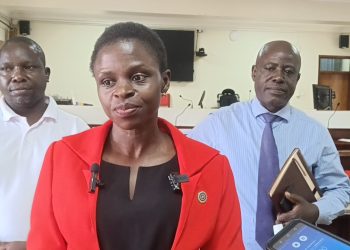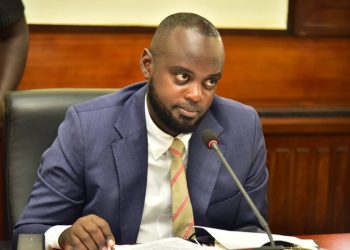








A fresh wave of legal battles is unfolding across Uganda, with at least 30 parliamentary election petitions filed in the aftermath of the January 15, 2026 general elections, signaling simmering tensions over declared results.
The petitions, now spread across multiple High Court circuits, reflect growing dissatisfaction among candidates who are contesting outcomes, electoral processes, and the conduct of officials from the Electoral Commission of Uganda.
From central to northern Uganda, courtrooms are bracing for what could be weeks of intense legal scrutiny.
According to an official status update released on March 25, 2026, the disputes are being handled in High Court circuits in Masaka, Soroti, Moroto, Luwero, Mbarara, Iganga, Kumi, Pader, Tororo, Fort Portal, Hoima, Mukono, and Lira.
In all cases, the Electoral Commission has been named as a respondent alongside declared winners.
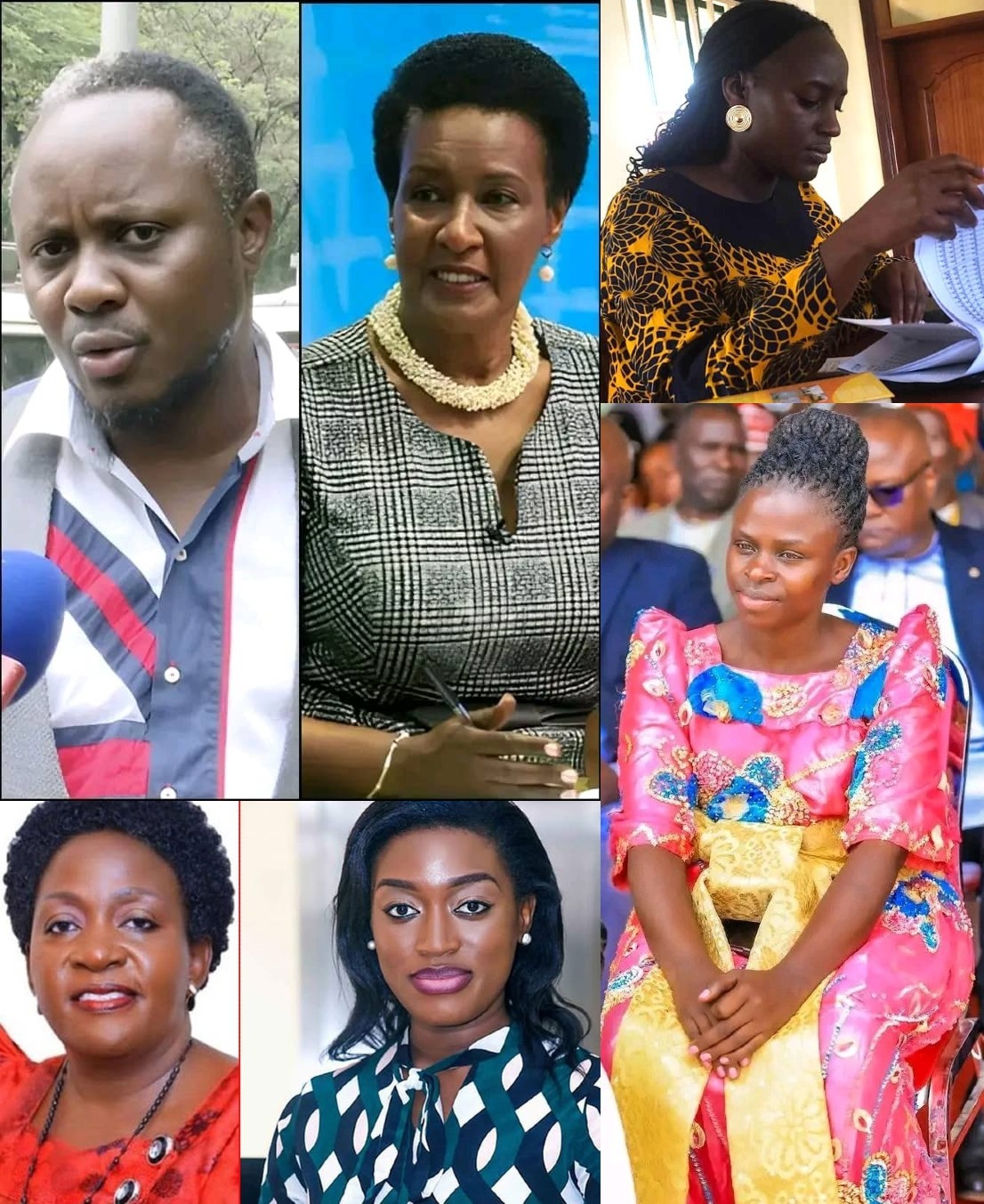
Among the high-profile disputes is one involving the Mawokota North legislator, Innocent Kiyaga is contesting the victory of former Trade Minister Amelia Kyambadde, setting the stage for a closely watched legal showdown.
In western Uganda, Mwesigwa Robert Rukaari has petitioned against Christopher Bakashaba in a case before the Mbarara High Court.
In the east, Sarah Opendi Achieng is challenging the election of Angella Akoth in Tororo.
The trend cuts across regions. Birungi Kobusingye has taken on Harriet Nakwedde over the Kayunga District Woman MP seat and Susan Mugabi against Judith Nagujja over Buvuma Woman MP race in Mukono High Court.
Multiple petitions in Masaka point to particularly tight races. Among them, Rose Nalubowa is contesting the win of Justine Nameere, and Dr. Sarah Muwonge Nkonge is disputing the re-election of Cissy Namujju Dionizia.
Additional petitions include challenges against victories by Ruth Katushabe, Florence Nambazira, and State Minister Esther Davinia Anyakun, whose win is being contested in Moroto.
Officials say most of the petitions—24 out of the 30—relate to Women Representatives.
Eric Sabiiti, who oversees litigation at the Electoral Commission, attributes this to the earlier gazettement of women MPs, which triggered the legal filing window sooner than for directly elected legislators.
“The timeline for Women Representatives has already closed, but candidates for directly elected constituencies still have until early April to file their petitions,” he explained.
Despite the disputes, Sabiiti maintains that the relatively low number of cases compared to previous elections suggests improvements in the electoral process.
The current figures remain significantly lower than those recorded after the 2021 elections, when the Judiciary handled 160 petitions across parliamentary and local government races.
Under Uganda’s electoral laws, the High Court is required to resolve such petitions within strict timelines—typically within 30 days after all parties have submitted their responses.
Many petitioners are seeking fresh by-elections, while others want courts to overturn declared results and recognize them as the rightful winners.