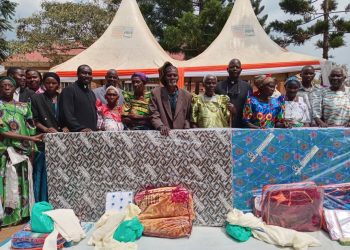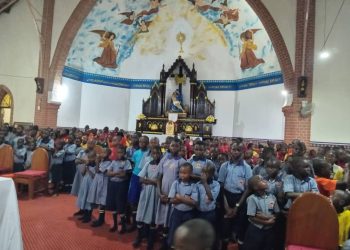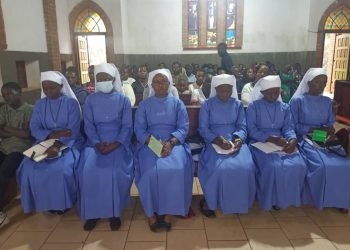
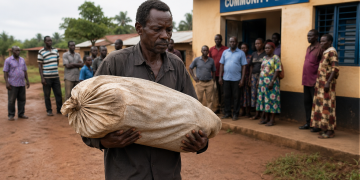


























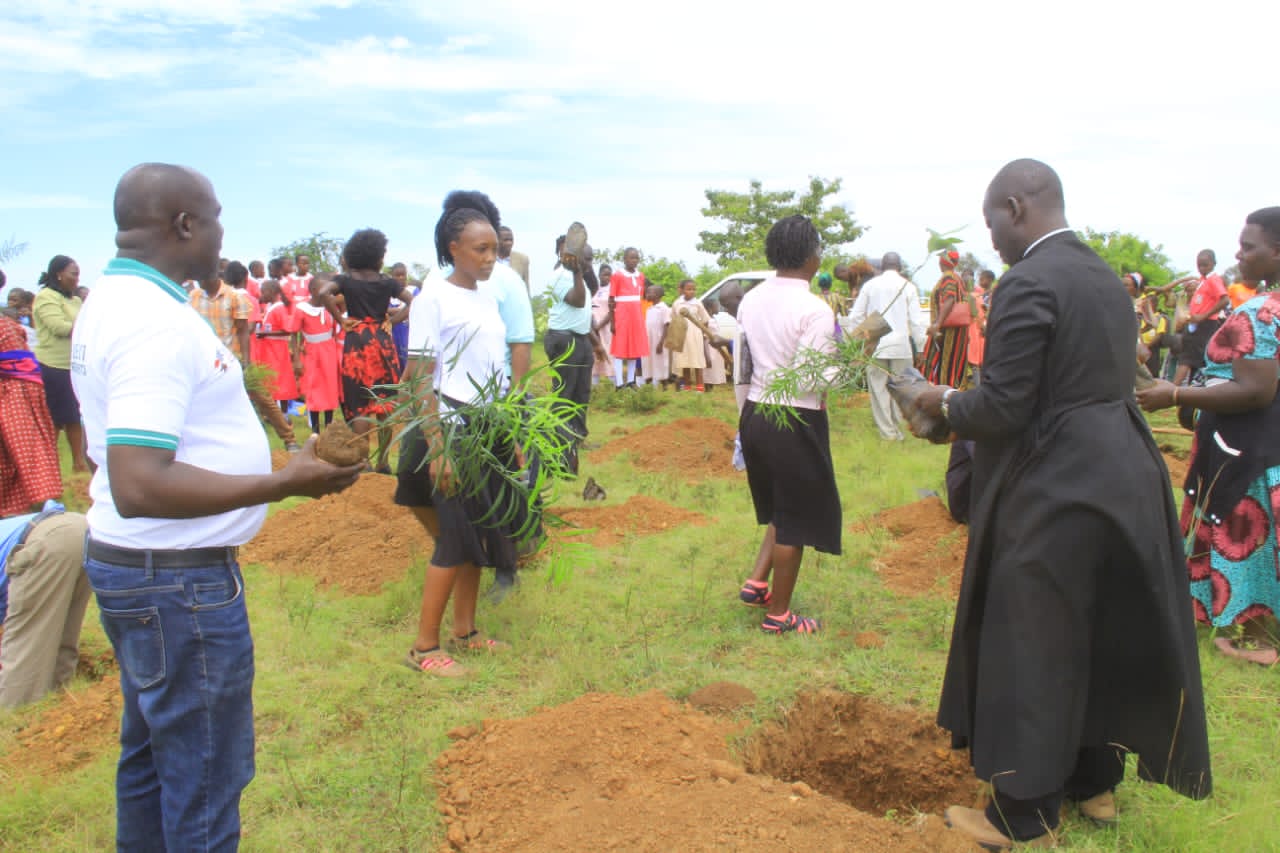
The development arm of Masaka Diocese, Caritas MADDO, joined Christians at Kisojo Centre in Bukomansimbi District to mark the International Day of Forests with a strong call for environmental protection and improved sanitation.
The annual observance, held every March 21, raises awareness about the dangers of deforestation and underscores the critical role forests play in sustaining life. The 2026 theme, “Highlighting the central role of forests in sustaining livelihoods and the economy,” guided the day’s activities.
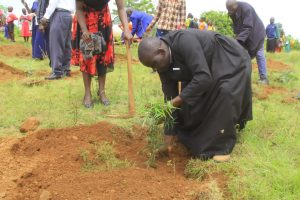
During the event, participants planted 150 trees around the parish, including fruit, timber, and shade species. Schools in the area also received seedlings to plant on their compounds, a move aimed at nurturing a culture of environmental conservation among learners.
Sarah Nalwanga of Caritas MADDO urged residents to prioritize hygiene and proper waste management at the household level. She challenged the perception that waste is useless, emphasizing that poor sanitation contributes significantly to the spread of diseases.
Nalwanga also raised concern over the indiscriminate disposal of used diapers, warning that the practice is increasingly damaging the environment. She appealed to parents, especially mothers, to adopt safer disposal methods and reflect on the long-term consequences.
Francis Ssekalegga, the Agriculture Coordinator at Caritas MADDO, revealed that natural forest cover in the Greater Masaka region has declined by about 60 percent. He attributed the loss to human activities such as expanding agriculture and population pressure, noting that this has forced wild animals and pests out of their habitats and into farmlands.
Kisojo Centre Lay Leader Anthony Mutagubya commended the organizers for the initiative but echoed concerns about poor waste disposal, particularly the widespread littering of diapers, which he said is contributing to environmental degradation and health risks.
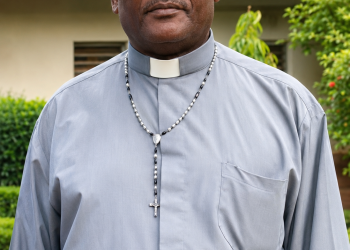
Rev. Fr. Joseph Matovu, the priest in charge of Kisojo Centre, expressed gratitude to the diocesan leadership for supporting the celebrations. He pledged continued sensitization of Christians on conservation and encouraged the community to plant more trees as a safeguard for future generations.
Students from various schools actively took part in the tree-planting exercise, highlighting the importance of involving young people in environmental stewardship.
Experts at the event noted that the Buddu region once enjoyed reliable rainfall and fewer crop diseases due to its dense natural forests. However, continued deforestation has resulted in erratic weather patterns and increased pest infestations.
Residents were also encouraged to adopt environmentally friendly shopping habits to reduce plastic waste. Nalwanga advised the community to minimize the use of single-use plastic bags and instead embrace traditional woven baskets or paper bags.
Community members were further trained in waste sorting, separating organic waste from plastics and glass to improve disposal and recycling practices.
John Ssuuna Mayanja of Caritas MADDO urged residents to protect the newly planted trees from destruction by grazing animals, stressing that their survival depends on proper care.
Globally, forests remain a vital resource, supporting more than 1.6 billion people with food, fuel, shelter, and income. The sector provides at least 13 million formal jobs and tens of millions more in informal enterprises, underscoring the urgent need to protect and sustainably manage forest ecosystems.