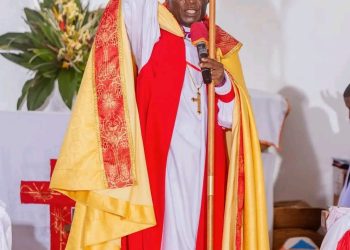












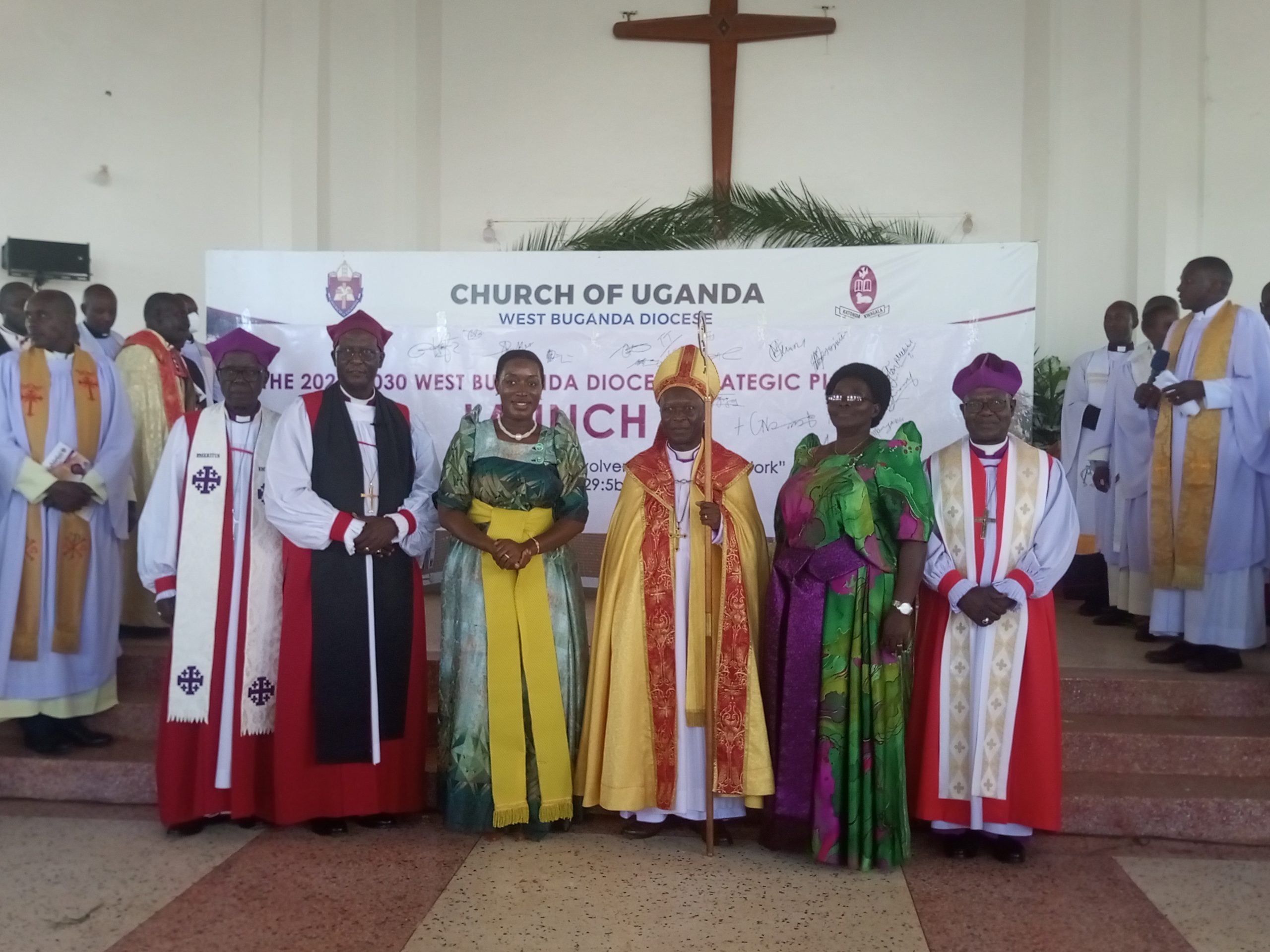
The Bishop of West Buganda Diocese, Gaster Nsereko, has marked his first anniversary in office with a thanksgiving ceremony, celebrating a year of ministry while outlining a forward-looking vision for the Diocese.
The event, held at St. Paul’s Cathedral Kako, began with a thanksgiving service attended by clergy, political leaders, and hundreds of Christians. Bishop Nsereko assumed office as the 7th Bishop of West Buganda Diocese, succeeding Henry Katumba Tamale.
Delivering the sermon, the retired Bishop of Kampala, Hanington Mutebi, called on Christians to embrace a life of gratitude, reminding them that thanksgiving should be a constant response to God’s provision and calling.
He noted that while many people experience God’s protection and blessings through life’s challenges, they often fail to return thanks or give back a portion of what they receive.
In his address, Bishop Nsereko expressed gratitude to clergy, laity, and partners who have supported him throughout his first year. He highlighted key milestones, including the confirmation of 3,728 children and visits to 109 of the Diocese’s 110 parishes.
He also noted engagements beyond parish ministry, such as a visit to the head of the Nnakinsige clan, Nadduli Kibaale, meetings with eight Canons, and participation in the GAFCON conference in Abuja, Nigeria.
On the development front, Bishop Nsereko cited progress in infrastructure and logistics, including roofing the Bishop’s residence, constructing a new office block at Kako, drilling a borehole at the residence, and acquiring a new vehicle to support diocesan activities.
Despite these achievements, the Bishop acknowledged persistent challenges facing the Diocese, including widespread poverty, encroachment on Church land, youth unemployment, and limited financial resources to sustain operations.
To respond to these concerns, he unveiled a five-year Strategic Plan aligned with the broader mission of the Church of Uganda. The plan was endorsed by Bishop Nsereko alongside Bishops Mutebi, Katumba Tamale, and Kefa Kamya Ssemakula, with Archdeacons tasked to oversee its implementation across the Diocese’s nine districts.
According to the Diocesan Secretary, Rev. Canon James Ngoga, the strategy prioritizes expanding access to worship by constructing more churches to reduce the long distances many Christians currently travel.
The plan also emphasizes financial sustainability through income-generating projects, reducing reliance on offertory collections. Key priorities include completing the Bishop’s residence, replacing old office structures with modern facilities, and establishing a commercial building.
Youth engagement and welfare also feature prominently, with the Diocese committing to strengthening faith formation among young people, encouraging their participation in church ministry, and improving the wellbeing of church workers, particularly in health and housing.
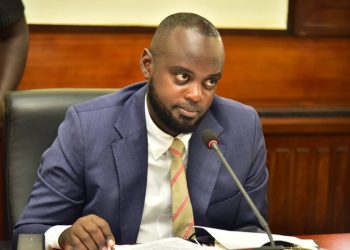
The function was graced by the Deputy Speaker of Parliament, Thomas Tayebwa, who was represented by Masaka City Woman MP-elect Justine Nameere. She commended the Church for its role in community development and pledged continued collaboration between leaders to mobilize resources for the Diocese’s strategic priorities. On behalf of the Deputy Speaker, she delivered a contribution of 10 million shillings.
By the end of the ceremony, a total of 230 million shillings had been raised to support ongoing projects, particularly the completion of the Bishop’s residence and the new diocesan office block.
Jude Muleke, the Pokino and representative of the Kabaka in Buddu, praised Bishop Nsereko for his close connection with the community, noting his presence in both moments of joy and hardship.
The thanksgiving drew a diverse congregation, including Christians from different denominations, students, and legislators such as Joseph Ssewungu (Kalungu West) and Emmanuel Kiyimba (Bukoto Midwest), reflecting the Diocese’s broad community reach and significance.