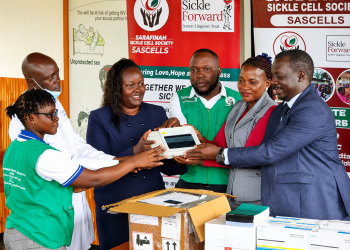






















Buvuma District has received a new diagnostic machine aimed at strengthening the fight against Sickle Cell Disease, in a move expected to improve early detection and treatment for affected patients.
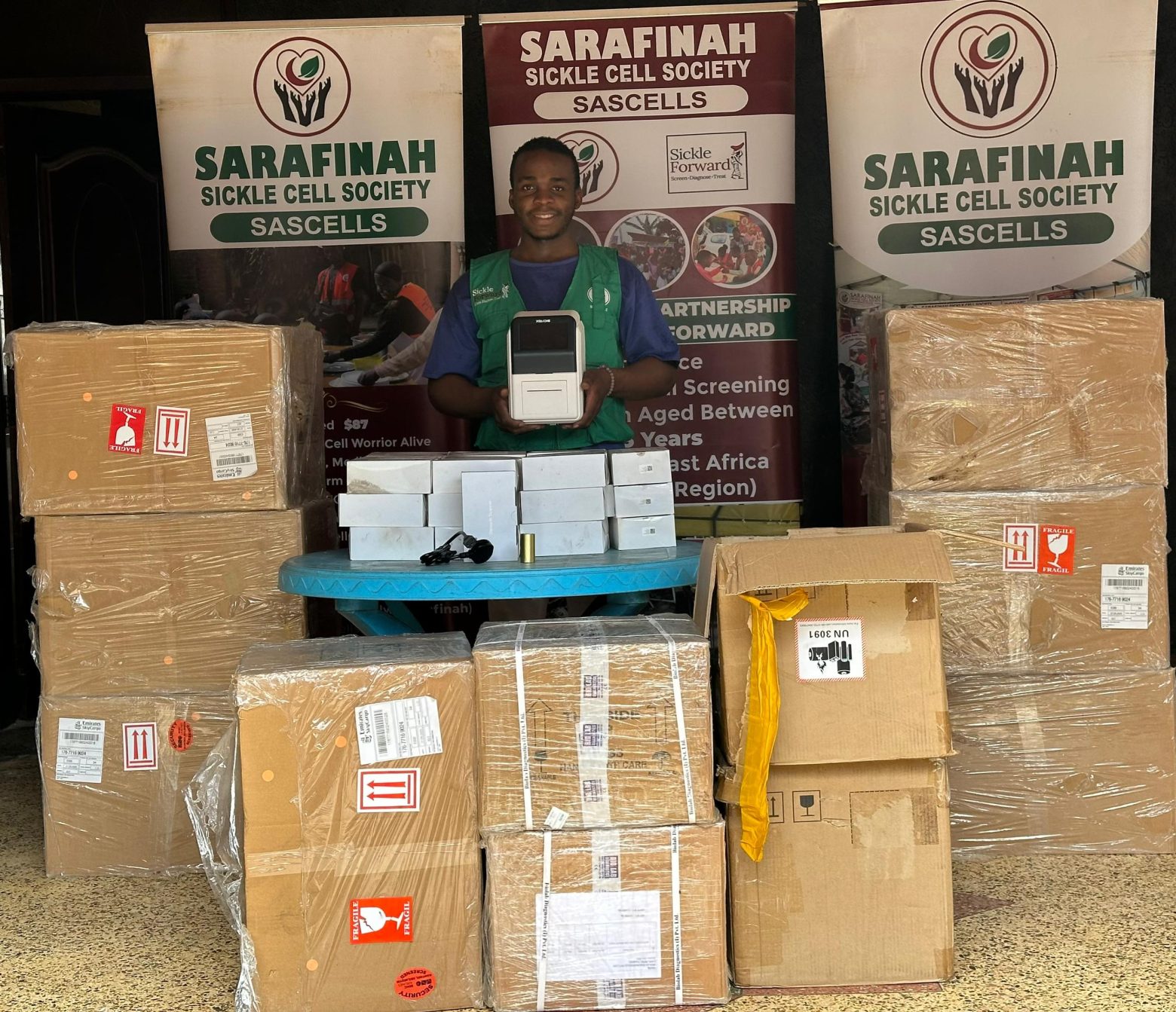
The chemistry analyser, donated under the “Sickle Cell Unity Mission 2026,” will enhance the district’s capacity to carry out critical blood tests and monitor complications associated with the disease.
Health officials say the equipment comes at a crucial time when demand for specialised sickle cell services continues to rise.
The donation was facilitated by the Serafinah Sickle Cell Society in partnership with Sickle Forward, as part of ongoing efforts to expand access to diagnosis and care in underserved communities.
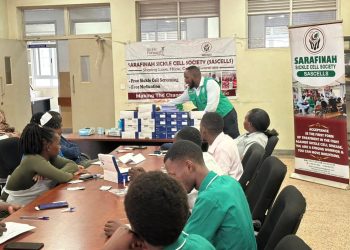
According to the organisation’s Executive Director, Sarafinah Bukirwa, the machine is part of a broader consignment that also includes 700 analyser discs and essential medical supplies expected to support health facilities for up to six months. These supplies will be distributed across several districts, including Buikwe, Mukono, Ntoroko and Hoima.
Bukirwa noted that Buvuma was prioritised to host the new machine to bridge gaps in diagnostic services and reduce delays in identifying sickle cell cases, especially among children.
“This equipment will help us detect the disease early and ensure patients are enrolled into care in time,” she said.
Health workers in the district welcomed the donation, saying it will ease pressure on existing facilities and improve the quality of care offered to patients who previously had to travel long distances for testing.
Uganda continues to face a high burden of sickle cell disease, with thousands of children born with the condition each year. Many die before the age of five due to delayed diagnosis and limited access to treatment, making early screening and consistent care critical.
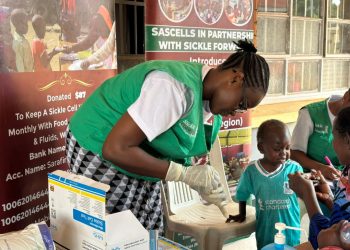
The latest intervention builds on a newborn screening programme launched in April 2025, targeting children aged zero to five years to ensure early diagnosis and linkage to care.
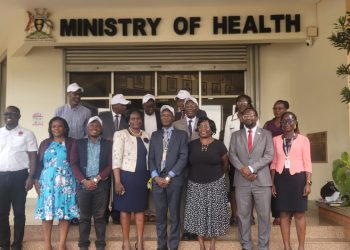
Officials and partners have called for more support from government and stakeholders to scale up similar interventions across the country, noting that sustained investment in equipment and medical supplies is key to improving survival rates and quality of life for patients.