


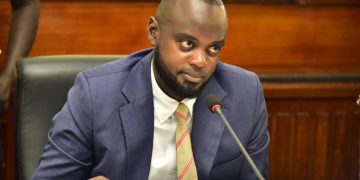
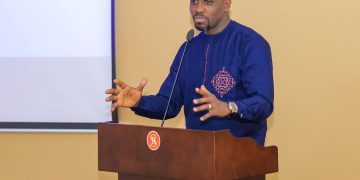
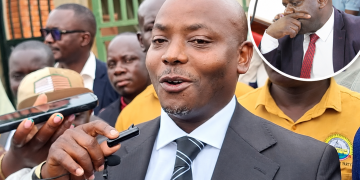



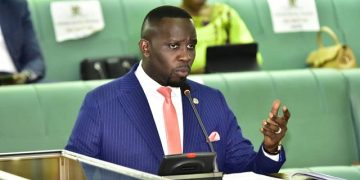



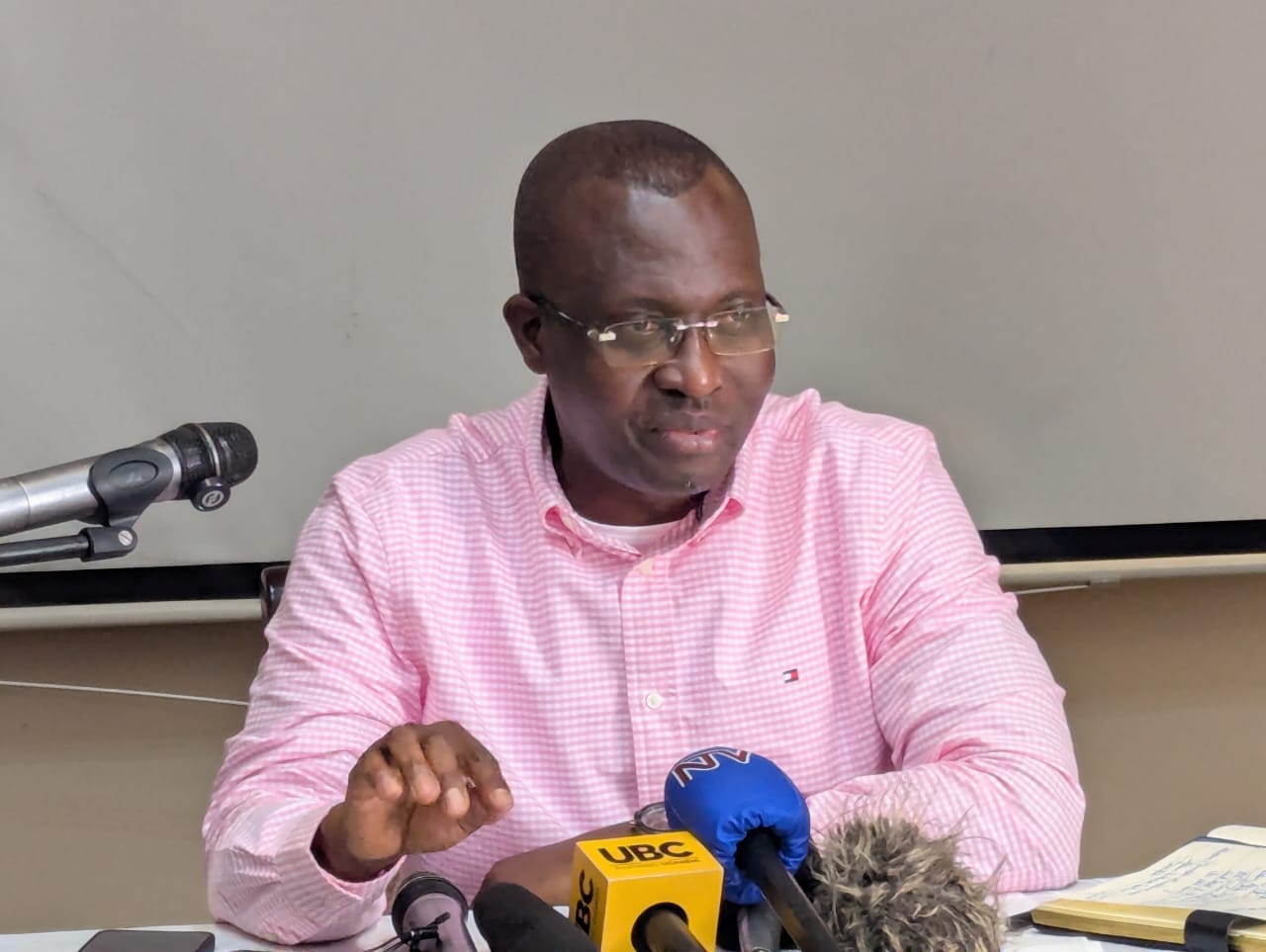
The Minister of State for Foreign Affairs in charge of Regional Affairs, John Mulimba, has commended Chief of Defence Forces Muhoozi Kainerugaba for what he described as firm and timely action against corruption within Parliament and other government institutions.
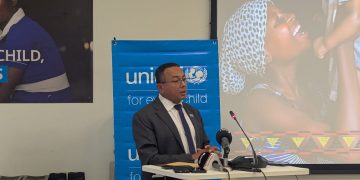
Speaking during a press conference in Kampala, Mulimba said the ongoing anti-corruption operations had renewed public confidence among Ugandans who for years felt intimidated and powerless in the face of graft and abuse of office.
He also praised President Yoweri Museveni for declaring “Kisanja Hakuna Mchezo, No Sleep,” saying the message signaled a tougher national stance against corruption.
“Immediately after that declaration, a whip was cracked on corruption. I want to thank the CDF for discharging his constitutional and civic duty in fighting corruption, especially around what is deemed to be the temple of democracy, Parliament,” Mulimba said.
According to the minister, many citizens had remained silent for years out of fear of retaliation from powerful individuals accused of manipulating public systems for personal benefit.
“Those who attempted to speak out often faced intimidation, but the current actions are both timely and necessary,” he added.
Mulimba defended the involvement of the Uganda People’s Defence Forces in the anti-corruption campaign, arguing that the military has a constitutional obligation under Article 208 to protect national resources, public property, and the country’s sovereignty.
“Fighting corruption is not simply a political debate. It is a constitutional and civic responsibility for every Ugandan,” he said.
The minister further alleged that corruption had created a culture of impunity within Parliament, where some individuals allegedly became untouchable due to wealth and influence. He accused certain leaders of exploiting parliamentary procedures, intimidating public officials, and manipulating government systems for personal gain.
Mulimba also cited allegations of inflated allowances, forged travel claims, and irregular per diem payments as practices that had weakened public trust in state institutions.
He warned that corruption continued to place pressure on the economy by depriving citizens of resources and limiting access to affordable credit and public services.
“When public funds are stolen and concealed, the entire economy suffers,” he said.
The minister further claimed that large sums of money were used during recent elections to influence voters and interfere with democratic processes, alleging that some individuals openly moved with vehicles carrying cash intended for voter bribery.
He called on anti-corruption agencies and security institutions to intensify investigations and ensure accountability across all sectors of government.
“These are extraordinary circumstances, and extraordinary measures are required,” Mulimba stated.
He also urged Ugandans to support the ongoing anti-corruption campaign, warning that silence in the face of corruption only strengthens impunity and weakens national institutions.
The remarks come amid increasing public debate over the role of security agencies in investigations into alleged corruption and misuse of public funds within Parliament and other government institutions.