
















Uganda has stepped up Ebola surveillance and emergency preparedness measures following a fresh outbreak of the deadly Bundibugyo strain of Ebola Virus Disease in eastern Democratic Republic of the Congo, the Ministry of Health has announced.
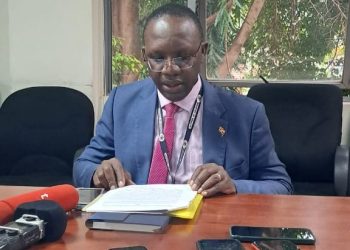
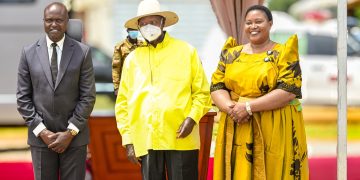
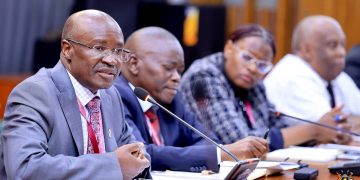
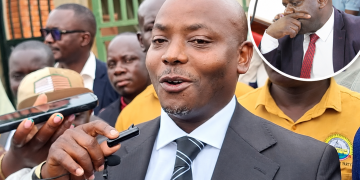
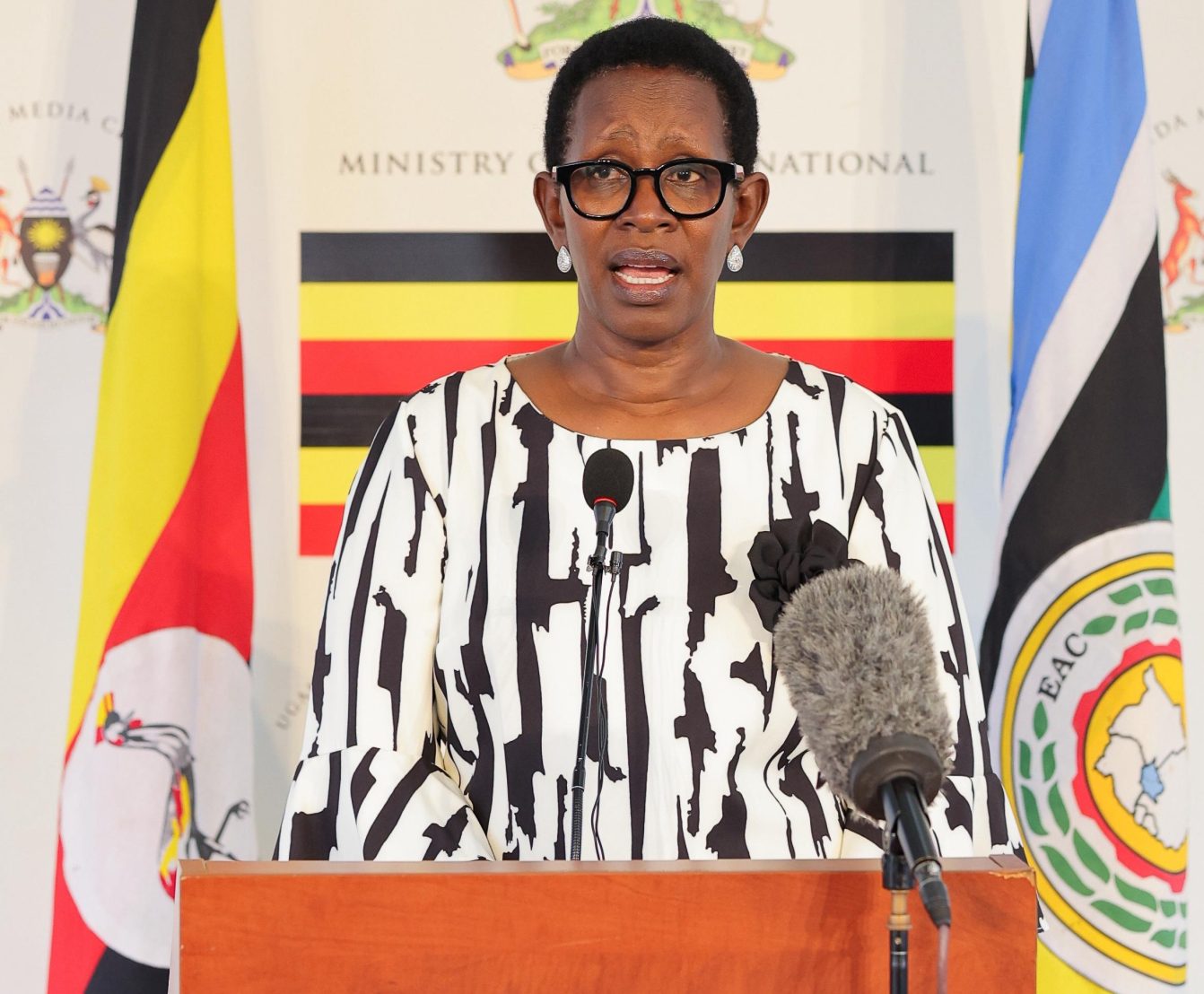
Speaking after a National Task Force meeting chaired by Vice President Jessica Alupo in Kampala, the Ministry of Health Permanent Secretary, Diana Atwine, assured the public that Uganda currently has no active Ebola cases despite heightened regional concerns.
Dr. Atwine said the country had recently recorded two imported Ebola cases on May 15 and 16, but both patients later tested negative after further assessment and monitoring.
“Uganda has not registered any positive case apart from the imported two that we informed you about earlier, and we have not registered any additional case. All contacts remain under observation and none has tested positive,” she said.
She added that a health worker who had been caring for one of the patients is recovering well and has also tested negative for the virus.
“As I talk right now, we don’t have Ebola in the country,” Dr. Atwine emphasized.
However, health authorities warned that Uganda remains highly vulnerable because of its close proximity to the outbreak zones in eastern DRC and the continued movement of people across the border through trade, refugee flows, and travel.
According to Dr. Atwine, the Bundibugyo strain of Ebola has a fatality rate of about 50 percent and currently has no approved vaccine or specific treatment.
The Ministry also sought to calm concerns among schools and parents over children entering Uganda from affected areas. Dr. Atwine explained that Ebola only becomes contagious once an infected person begins showing symptoms such as fever, vomiting, diarrhea, sweating, or bleeding.
“Ebola can only spread if you start having symptoms and begin shedding the virus through sweat, vomit, diarrhea, urine, or blood,” she said.
Schools and institutions have now been directed to register and closely monitor children arriving from high-risk areas through daily temperature screening. Any child developing fever-related symptoms will immediately be isolated and tested.
Government has identified several districts for intensified surveillance, including Kasese District, Ntoroko District, Bundibugyo District, Kabarole District, and Kanungu District, particularly those bordering the DRC.
The Kampala Metropolitan Area has also been classified as high-risk following the movement of the previously imported cases through the city.
Dr. Atwine said Uganda’s safety would largely depend on quickly containing transmission inside the DRC while strengthening surveillance and screening along the porous border points.
“Our objective is to interrupt transmission, especially in the high-risk border districts,” she noted.
She further revealed that Uganda is working with neighboring countries and regional health partners to strengthen laboratory testing, treatment capacity, and rapid response systems in preparation for any possible spread of the outbreak.
The Ministry of Health has urged the public to remain alert, observe all health guidelines, and immediately report suspected Ebola symptoms to nearby health facilities as surveillance operations continue nationwide.