













The Physicians Committee for Responsible Medicine (PCRM), a nongovernment organization that promotes preventive medicines has set out to undertake a schools sensitisation campaign to reduce cancers prevalence in Kyotera district.
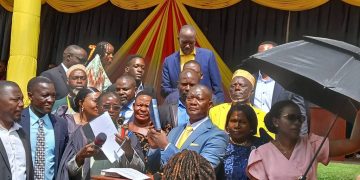
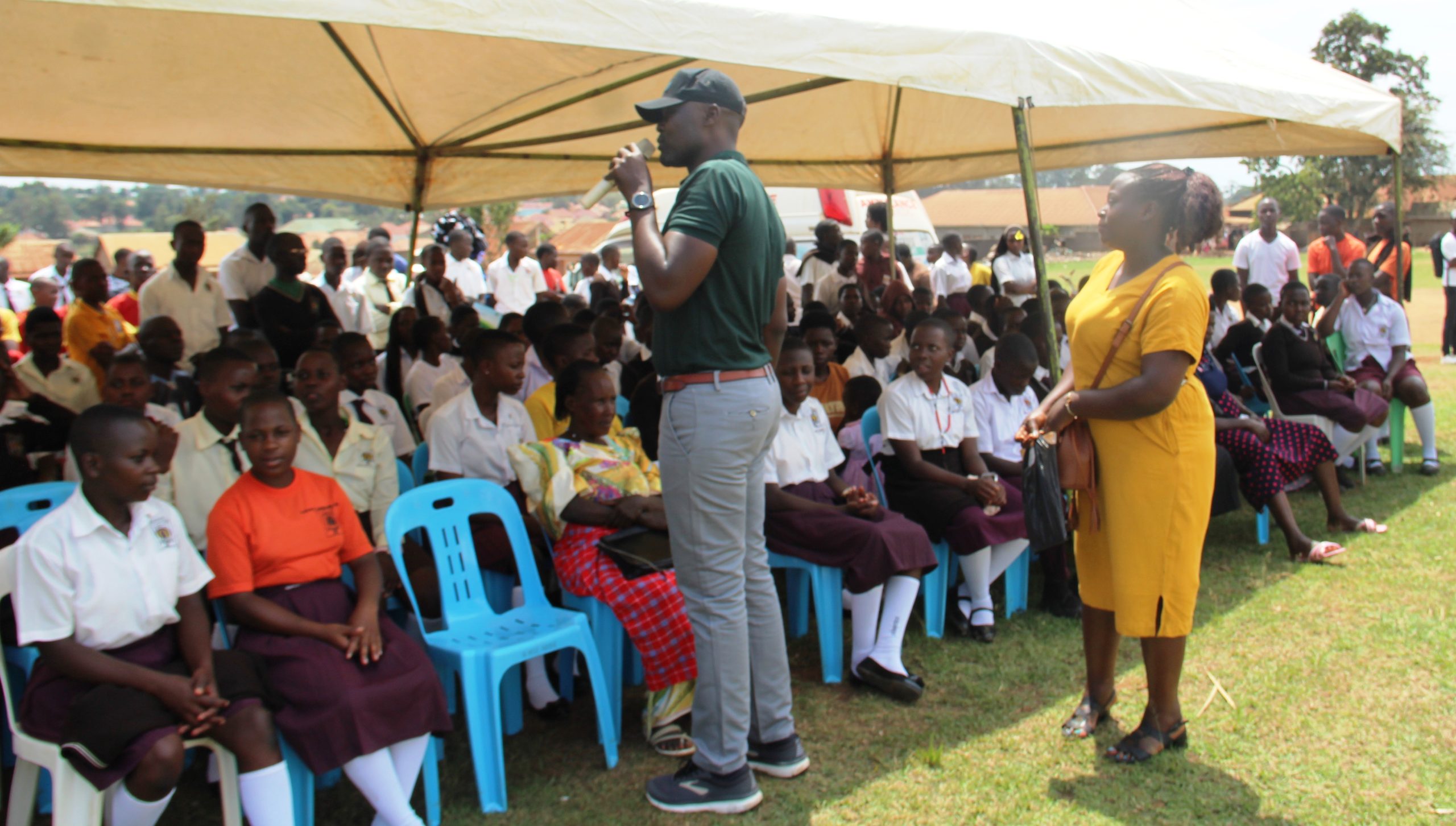
The campaign, which was launched in Kalisiizo town council, primarily focuses at equipping the students with the basic and accurate knowledge about cancer and its prevention approaches, such they can also spread the messages through their communities.
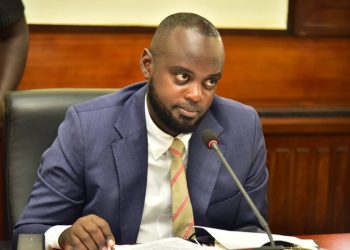
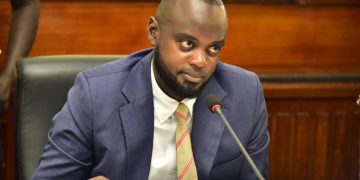
Mark Ssempeera, the Director of Building Health Communities Africa, observes that the schools campaign was conceived out of the need to empower the students with accurate information about cancers; as part of the broader plan of reducing the disease burden in the community.
“We have chosen to put emphasis on breast cancer, which apparently is the third most common cancer type among Ugandan women. It comes after cervical cancer and sarcoma. Our messages are going to rotate around the risky lifestyles and eating habits that expose people to risks of developing cancer,” he says.
The sensitization campaign according to Ssempeera, targets to enlighten children about the known lifestyle choices and the risky diets and how to carryout self-assessments on their bodies for early detection of cancer.
“We are also highlighting to them how whole food and plant-based diets can help in preventing breast cancer,” he noted.
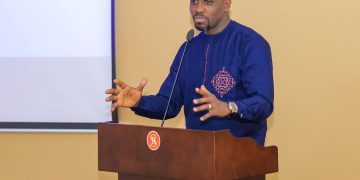
Doctor Joseph Lule, a Surgeon attached to Nkozi Hospital, is hopeful the schools’ campaign will help towards reduce the disease burden in the area, because the young girls will now receive simplified messages about the problem.
He explains that their goal is to create critical mass of informed persons who will pass over messages and skills of self-examination and early screening for cancers, to reduce on the burden of late diagnosis for patients
Reports at the Uganda Cancer Institute suggests that high cancer mortality is largely due to late diagnosis, with up to 89% of women presenting with stages III and IV; which significantly reduces their chances of survival and making the disease difficult to treat.
Dr. Lule observes that intend to use school campaign to heighten public awareness about breast cancer and other relatively ignored types, yet they are equally dangerous.
“We are planning to have routine healthy talks with both the boys and girls students, to allow them ask questions about cancer and we provide appropriate answers. That way we shall demystify all myths about this life-threatening problem, hence reducing its prevalence,” he says.
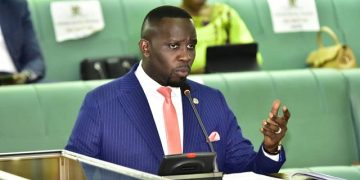
John Paul Lukwago Mpalanyi, the Kyotera County Member of Parliament, observes that campaign is a timely intervention that will improve the quality of life of their students.
He is hopeful that such interfaces between the students and professional medical officers will help to create confidence among students and widen their knowledge about cancers, thereby heightening prevention, care and early detection.