























Kampala Capital City Authority (KCCA) officials have urged city residents to prioritize proper sanitation practices as the country joins the rest of the world to commemorate World Toilet Day, marked every November 19.
The day highlights the importance of safe toilets and improved sanitation, especially in rapidly growing urban centers like Kampala.
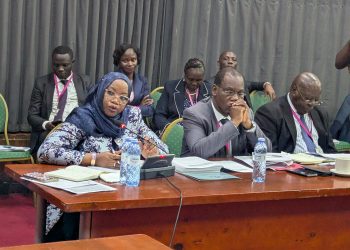
Speaking during the city’s commemoration event, Dr. Sarah Zalwango, KCCA’s Director of Public Health, emphasized that toilets are not merely household amenities but essential public health infrastructure.
“A toilet is one of the most necessary interventions everyone needs. The fact that you are going to eat means waste must leave your body,” Dr. Zalwango said. “Every house must have a toilet, and it must be clean and safe for everyone who uses it.”
She noted that while Kampala has toilets at household, community, and public levels, access and maintenance remain major gaps.
“Our aim in commemorating this day is to increase awareness among people who don’t have access to toilets and to remind those who have them to maintain them properly,” she added.
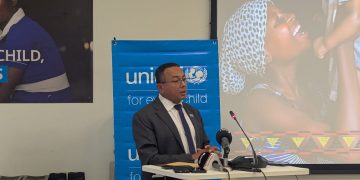
KCCA Deputy Executive Director Benon Kigenyi said World Toilet Day should spark broader conversations about sanitation, environmental protection, and the impact of population growth on public services.
“Sanitation is everything. It helps our communities to be better,” Kigenyi said. “Our growing population has increased the demand for education, health, housing, and community services. As a result, many people now live in informal settlements, and this has placed enormous pressure on our environment.”
He painted a stark picture of Kampala’s environmental degradation, noting that areas once filled with green parks and wetlands have been overtaken by unplanned housing.
“This hill once had a flourishing green park, and below it was a swamp. These are no longer there. The hill is now bare, and the swamp has been swallowed by housing,” he said.
He compared green parks to the city’s lungs — purifying air — and wetlands to kidneys — filtering impurities. “When they are destroyed, our population’s health is compromised.”
Innovations to Solve Urban Sanitation Challenges
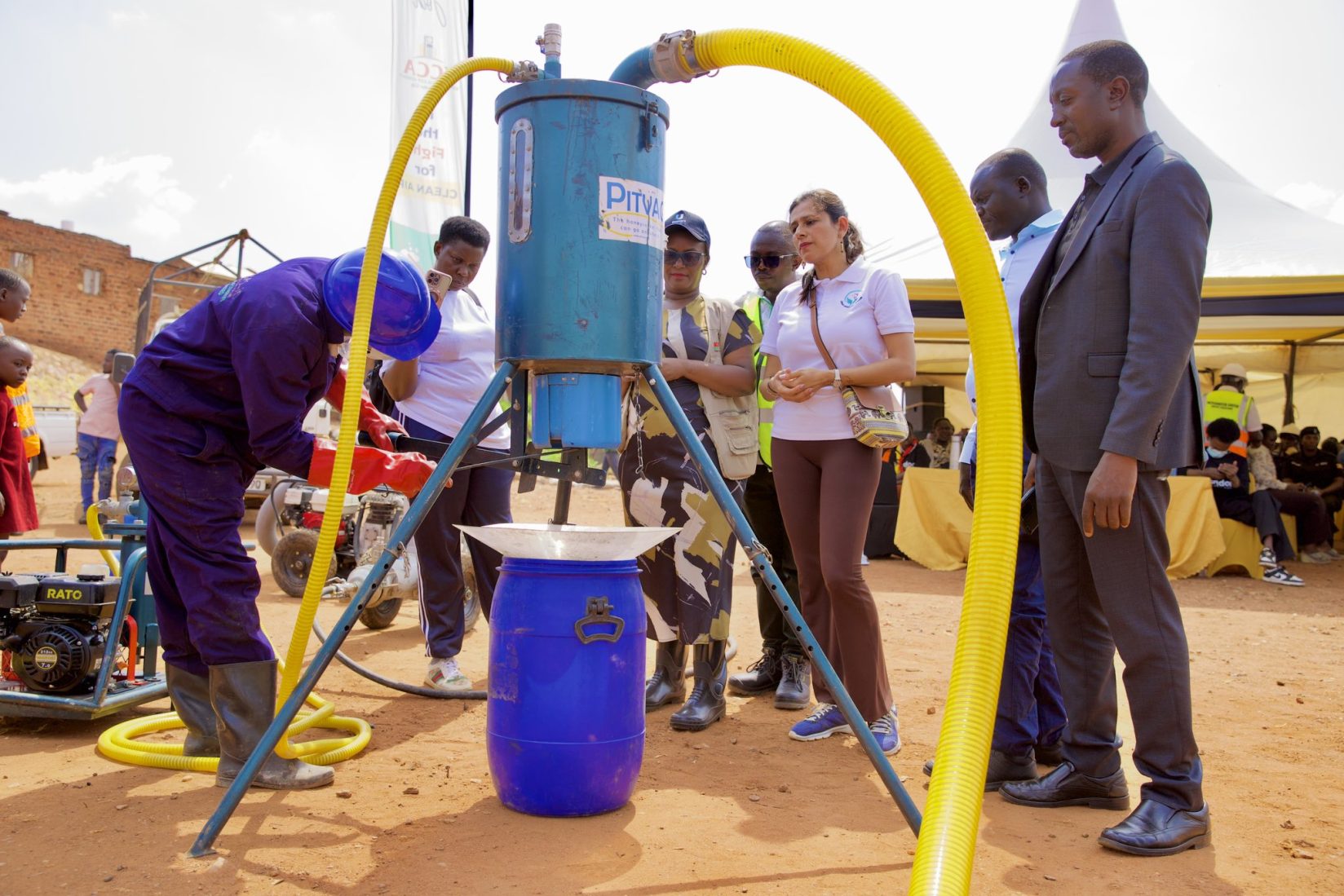
During the commemoration, KCCA showcased new technologies designed to improve the evacuation of faecal sludge from hard-to-reach informal settlements such as Acholi Quarters, where congestion makes waste management a major challenge.
Kigenyi expressed hope that NEMA, a government partner, will approve and support scaling up these innovations to help the city adopt more efficient, environmentally friendly sanitation solutions.
Globally, World Toilet Day raises awareness of the 3.5 billion people who still lack safe sanitation. In Uganda’s urban centers, poor waste management contributes to disease outbreaks, contaminated water sources, and environmental decay.
KCCA officials say continued public sensitization, investment in sanitation infrastructure, and protection of the city’s green spaces and wetlands are critical to maintaining a healthy population.
“As we commemorate this day,” Dr. Zalwango said, “we want every household, every community, and every public space to understand the importance of having clean, safe, and accessible toilets. It is a basic right, and it is essential for life.”