























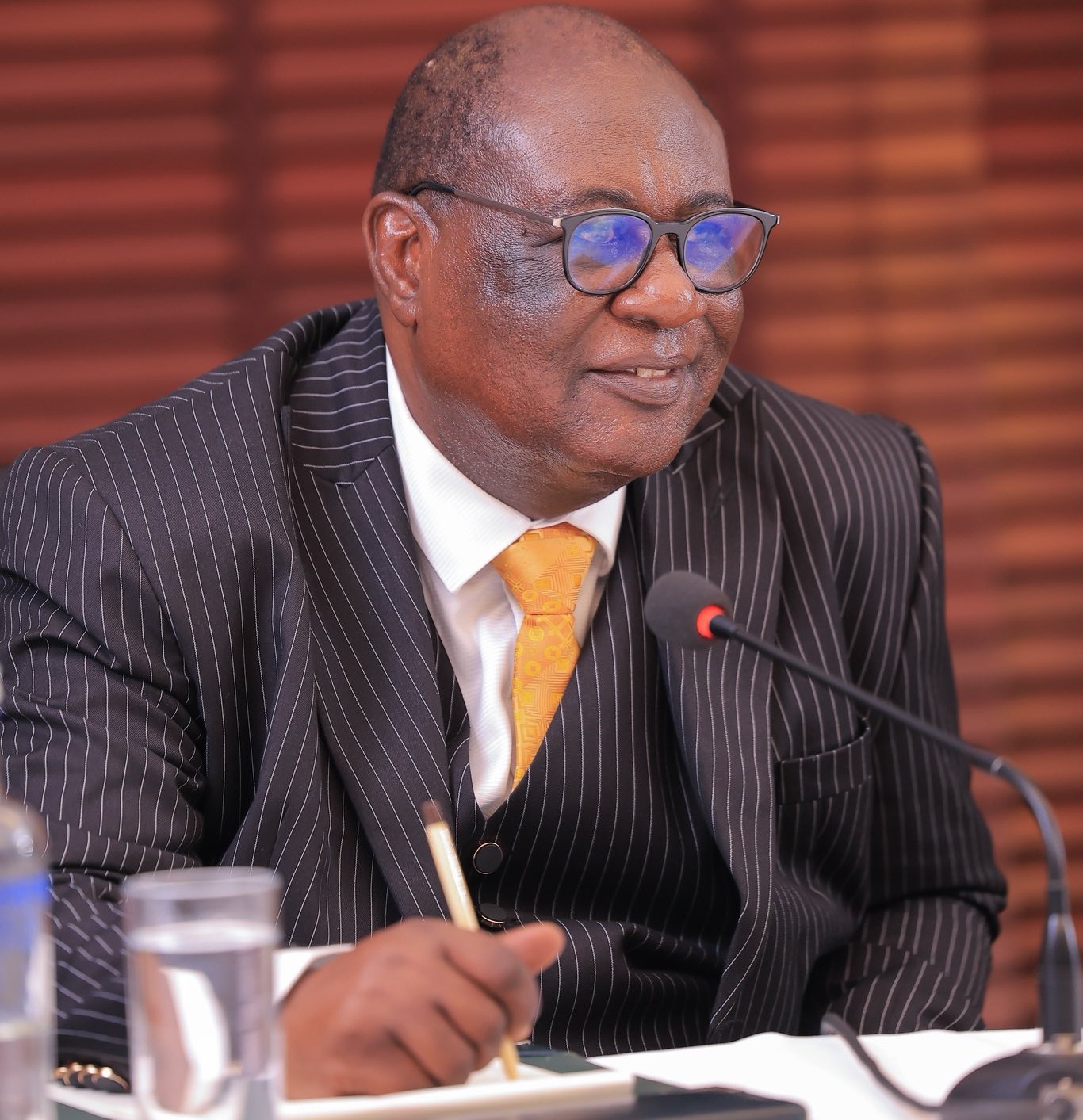
Former State Minister for Lands and current Attorney General, Sam Mayanja, has called for a constitutional amendment to address long-standing disputes over land allegedly claimed by traditional institutions, arguing that there was no legal basis for claims that land was confiscated from cultural leaders under the 1967 Constitution.
Speaking on the issue, Mayanja said it was misleading to suggest that traditional rulers lost land under the 1967 constitutional framework, insisting that no property was formally taken in a manner that would justify demands for restitution.
“We are telling a lie to the world that land was confiscated and should now be returned,” he said, adding that continued reliance on such claims was contributing to persistent challenges in Uganda’s land administration system.
He further argued that unless the law is amended, confusion over ownership and historical claims would continue to undermine effective land management in the country. Mayanja said he plans to expand on the subject in an upcoming publication, where he examines the legal and historical basis of traditional land claims.
The Attorney General also referenced the 2013 Memorandum of Understanding signed between the President and a traditional institution, noting that it contained provisions requiring that related arrangements be brought into conformity with Uganda’s Constitution. He said this legal alignment has not been fully implemented.
Mayanja further pointed to clauses in the agreement that provided for the establishment of an implementation committee by presidential instrument, saying no such instrument has been publicly issued to date, which he argues has affected implementation of the arrangement.
His remarks come at a time when government is preparing a wide-ranging legislative agenda following President Yoweri Museveni’s State of the Nation Address, in which he unveiled more than 38 proposed bills and policy initiatives for the 2026/27 financial year.
Among the planned reforms is the proposed Real Estate Bill, 2025, which is expected to introduce stricter regulation of Uganda’s property sector. The bill aims to enhance professionalism, accountability, and oversight in an industry that has expanded rapidly alongside urbanisation and increased investment in housing and commercial developments across Uganda.
The proposed reforms are expected to generate significant parliamentary debate, particularly as government seeks to balance land rights, historical claims, and regulation in one of the country’s most sensitive and contested sectors.