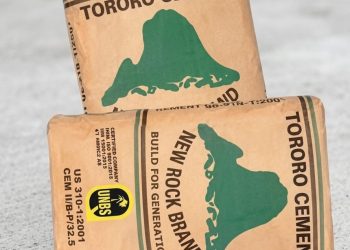




























The Uganda National Bureau of Standards (UNBS) has intensified laboratory testing to ensure that products on the Ugandan market meet strict quality and safety requirements before reaching consumers.
In an exclusive interview, Eva Namutebi, Deputy Head of the Chemistry Laboratory at UNBS, described a rigorous certification process designed to protect the public from harmful and substandard goods.
“We verify the condition and quantity of samples received before assigning them to analysts for testing,” Namutebi explained. “Our assessments cover both quality parameters, to confirm a product is fit for purpose, and safety parameters, to detect harmful contaminants such as methanol.”
Methanol, a highly toxic chemical sometimes found in illicit alcoholic beverages, remains one of the bureau’s major concerns. According to Namutebi, consumption of methanol can lead to severe health complications, including nervous system damage, blindness, and even death.
“We conduct thorough screening, especially for alcoholic beverages, to ensure they are free from methanol and safe for human consumption,” she said.
Isaac Mujabi, a Senior Analyst, noted that beyond alcohol testing, the laboratory examines a wide range of consumer products.
“For beer and other alcoholic drinks, we verify that the alcohol content matches what is declared on the label. In food products, we test for pesticide residues, heavy metals, and other contaminants that may pose health risks,” Mujabi said.
The chemistry laboratory is equipped with advanced analytical instruments, including gas chromatography machines capable of detecting minute traces of hazardous substances.
UNBS officials say the bureau’s mandate extends across sectors, from food and beverages to cosmetics and construction materials, with the goal of ensuring consumer protection and fair trade.
“We are committed to protecting Ugandans from substandard products,” Namutebi emphasized. “Quality and safety are non-negotiable.”
Daniel Arorwa, the Manager for Market Surveillance has urged manufacturers and importers to strictly adhere to national standards and regulatory requirements, warning that non-compliance could result in product rejection, penalties, or prosecution.