

















Patients at Masaka Regional Referral Hospital have expressed deep frustration over alleged corruption, negligence and unprofessional conduct by some health workers, raising serious concerns about service delivery at one of the region’s busiest public facilities.
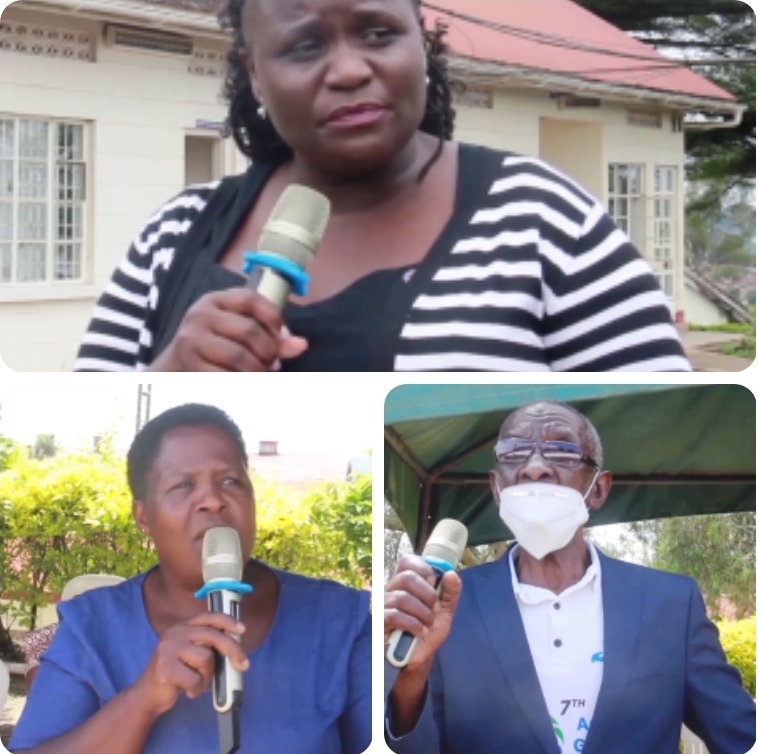
During a meeting convened by hospital management to gather feedback and improve services, patients from at least 12 districts accused some medical staff of demanding bribes, engaging in excessive gossip and neglecting critical cases, practices they say have led to preventable deaths.
Several patients, visibly distressed, said they felt abandoned at their most vulnerable moments. Some expressed anger and despair toward medics they accused of prioritizing money over saving lives.
Among the most emotional testimonies was that of Nalongo Gaita from Bukunda, who broke down as she recounted losing her child. She alleged that health workers delayed attending to her because she could not afford to pay them.
“We watched helplessly as time passed,” she said. “They kept moving around, but no one came to help.”
The hospital patients committee chairman, Swaibu Sulambaya, echoed the concerns, warning that corruption within the facility has reached alarming levels.
“Those without money are simply ignored,” he said. “It is even worse now that the hospital no longer provides food. Many patients are starving while undergoing treatment, which puts their lives at greater risk.”
Other caregivers shared similar accounts, including one who said a patient lost a baby after they failed to raise money allegedly demanded before receiving urgent medical attention.
Concerns were also raised about patient confidentiality. Rashida Matovu, a resident of BATA Cell, accused some staff of openly discussing patients’ private medical conditions in public spaces.
“It is humiliating and painful to hear your personal health issues being discussed on the streets,” she said.
However, hospital staff pointed to systemic challenges affecting service delivery. Dr Meddie Nsubuga, who oversees ambulance services, revealed that the hospital serves more than 10 districts including Masaka City, Lwengo, Kalungu, Bukomansimbi, Ssembabule, Kyotera, Rakai, Lyantonde and Gomba, with only one functional ambulance.
“In many cases, patients are forced to contribute fuel costs to access emergency services,” he noted.
The head of the maternity ward, Dr Gonzaga Ssenyondo, acknowledged concerns about staff attitudes, admitting that some expectant mothers now fear delivering from health facilities due to harsh treatment.
“We are working to improve how our staff handle patients, especially mothers, and to reduce preventable newborn deaths,” he said.
Local leaders including Masaka Deputy Mayor Jane Francis Nabukenya and Kimanya Kabonera Division Mayor Moses Mulinde commended the dedication of health workers under difficult conditions but called for urgent reforms.
They urged government to increase the supply of essential medicines, particularly for chronic illnesses such as diabetes, and demanded an end to the reported practice of soliciting money from patients.
Deputy Hospital Director Dr Mary Nyantaro acknowledged the challenges, attributing many of them to understaffing and overwhelming patient numbers. She revealed that the hospital, with a bed capacity of 350, is currently operating with only 280 staff, far below the recommended 1,217 positions.
“That means we are functioning at about 23 percent of the required staffing level,” she said, adding that conditions are expected to improve once a new facility under construction is completed.
Despite these assurances, patients say urgent action is needed to restore trust and ensure that access to healthcare is not determined by one’s ability to pay.