




















Health workers in Masaka have been urged to strengthen early screening and referral of children born with spina bifida and hydrocephalus in a bid to reduce disability and improve access to specialised care.
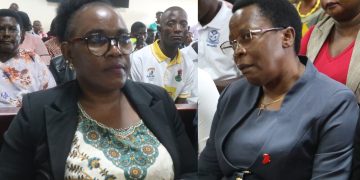
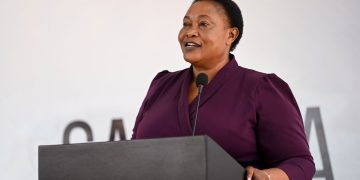
The call was made by Masaka District Health Officer, Faith Nakiyimba, while addressing health workers during a sensitisation meeting organised by Spina Bifida and Hydrocephalus Association Uganda at Masaka Regional Referral Hospital.
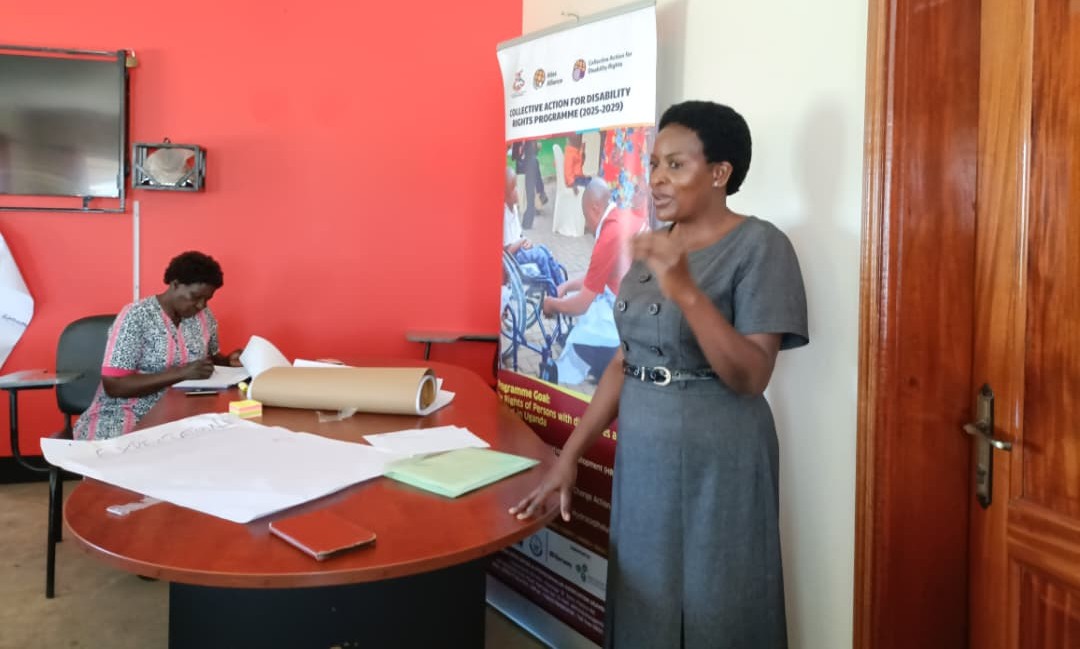
The engagement aimed at equipping healthcare professionals and community support teams with knowledge and skills on inclusive rehabilitation, care for persons living with disabilities, and management of hydrocephalus and spina bifida.
According to organisers, the training also focused on helping health workers understand referral pathways and available specialised services, including physiotherapy support for affected children.
Health officials identified Kyanamukaaka Sub-county in Masaka District as one of the areas reporting high numbers of children living with the conditions. Parents in the area were encouraged to seek treatment from nearby government health facilities where services are available.
Dr Nakiyimba emphasised the importance of proper screening immediately after birth, saying early detection can significantly reduce the severity of complications associated with the conditions.
“We want health workers to do proper screening when children are born with these conditions. We need them to report the children with these conditions in their facilities so that we can get the proper numbers of people with these conditions for proper planning and management,” she said.
She added that proper newborn screening can help reduce the long-term burden and level of disability among affected children.
The health officer also encouraged health workers to intensify health education campaigns in schools and during antenatal care visits, particularly on proper nutrition for expectant mothers.
According to Dr Nakiyimba, some cases of spina bifida can be prevented through adequate intake of foods rich in folic acid during pregnancy.
“We have told them about the existence of this condition and how they can help children with these conditions, where they can be referred to in case their facilities can’t handle these conditions, because we have specialists that can help these children in the country,” she added.
Meanwhile, Cate Namuddu, one of the Spina Bifida and Hydrocephalus Trainers of Trainers (SBH ToT), asked health workers to prioritise people living with disabilities whenever they visit health facilities.
She noted that many families continue to face stigma and discrimination while seeking medical services.
“We expect that health workers will no longer neglect people with disabilities when they come for services at health units. Some health workers had a negative attitude towards children with spina bifida and hydrocephalus. Maybe it was because they didn’t know how to handle them or where they could refer them; this has been partly addressed with this engagement we have had with them,” Namuddu said.
Health workers who attended the training pledged to provide better care, support, and guidance to children with special needs and their caregivers, especially through improved