




















KAMPALA — Mobile telecommunications companies have denied deducting money from customers’ mobile wallets without consent or requiring guarantors for digital loans, as Parliament investigates complaints over high interest rates, unauthorised deductions and the regulation of online lending platforms.
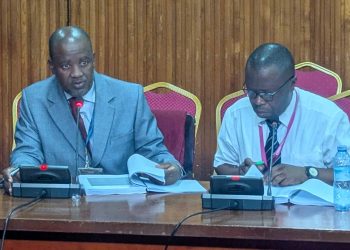
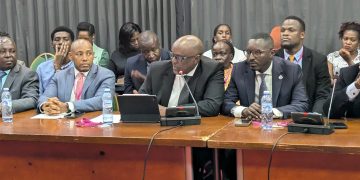
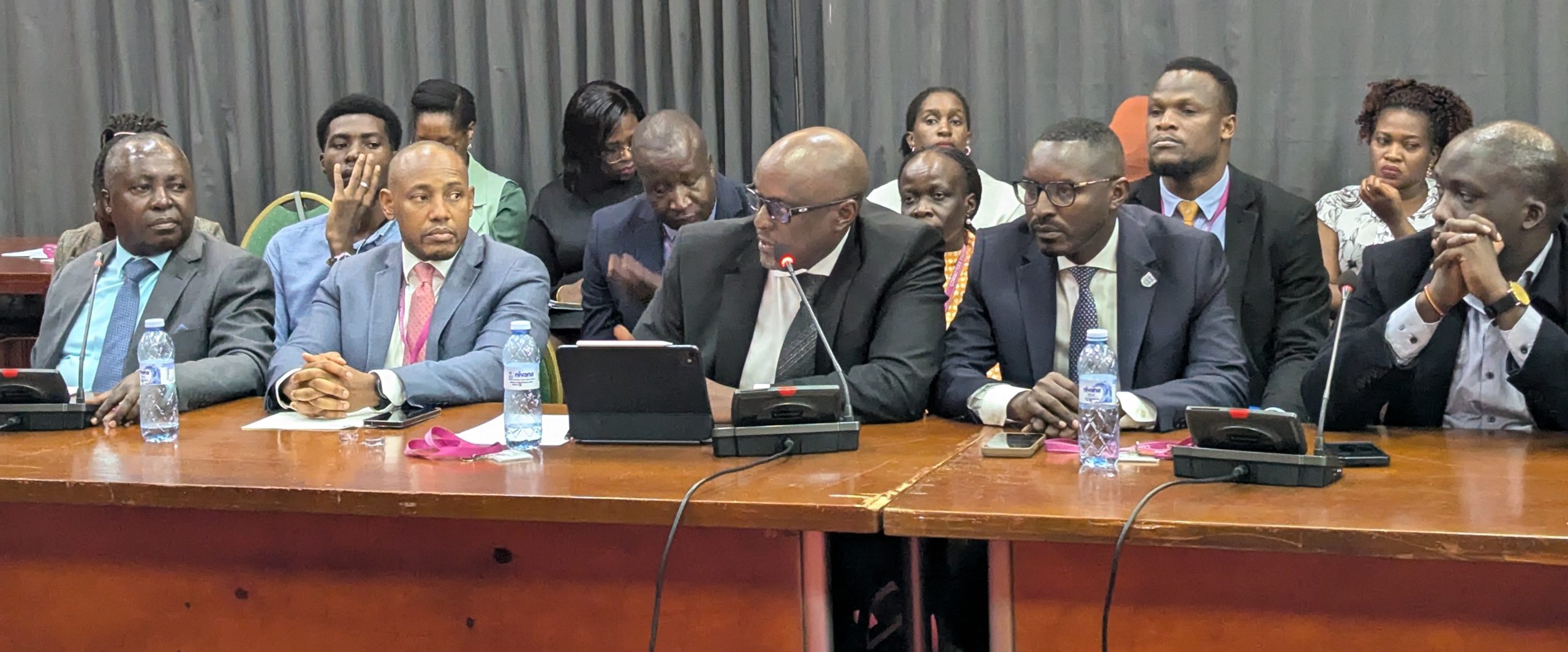
The assurances were made before the Parliamentary Committee on Commissions, Statutory Authorities and State Enterprises (COSASE), chaired by Kyadondo East MP Muwada Nkunyingi, during a meeting with officials from Airtel Money and MTN Mobile Money.
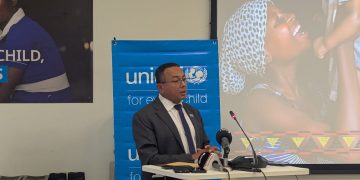
Airtel Mobile Commerce Uganda Limited Managing Director Japhet Aritho and MTN General Manager for Corporate Services Dennis Kakonge told the committee that their companies do not directly lend their own money because they are not licensed as lending institutions. Instead, they provide platforms through which customers access loans offered by partner financial institutions.
Aritho said Airtel’s lending products are unsecured and that the charges are determined in partnership with the institutions providing the capital.
He explained that one Airtel overdraft product carries a two per cent processing fee and an additional one per cent per day for up to three days, while other term-loan products lasting 14 or 30 days attract interest rates ranging between nine and 14 per cent, depending on the product and the borrower’s risk profile.
He said the cost of digital lending is also affected by non-performing loans, arguing that lenders factor the risk of default into the charges imposed on borrowers.
Aritho, however, committed Airtel to engaging the owners of the capital to explore ways of reducing the charges, saying improved credit information and lower default rates could create room for cheaper loans.
“We will go back, look at what opportunities we have and negotiate with the owners of capital so that we can be able to bring it down,” he told the committee.
Kakonge said MTN would submit detailed information on its different loan products, including applicable interest rates, fees and terms and conditions, following concerns that some borrowers may not clearly understand the duration and cost of a loan before accepting it.
He said MTN’s digital loans are also offered for fixed periods and are unsecured, making them relatively high-risk products.
The committee, however, questioned whether telecom companies could distance themselves from responsibility simply because the actual lenders are financial institutions.
MP Nkunyingi said MTN and Airtel remain critical players because customers interact directly with their platforms, while loan disbursement and recovery take place through their mobile money systems.
He said telecom companies must therefore take responsibility for third-party arrangements that affect ordinary consumers.
“The issue is of charges,” Nkunyingi said, directing the two companies to provide updated and comprehensive information on all loan products processed through their platforms and the percentages and other charges applicable to each.
The committee also questioned claims that lenders recover money from people who have not personally borrowed, including allegations that money is taken from mobile wallets without the account holder’s knowledge.
Richard Senteza, the Member of Parliament for Lugazi Municipality, said the companies appeared to be shifting responsibility among telecom operators, lending institutions and regulators while consumers continued to report losses.
He questioned who should be held accountable when money is allegedly taken from a person’s wallet without consent.
Senteza also challenged the practice of transferring the burden of a borrower’s default to another person, asking why a customer who has not borrowed money should lose funds from their wallet because another individual failed to repay a loan.
He said the committee needed clear answers on who enforces consumer-protection rules in the digital lending ecosystem and how affected customers can recover money allegedly deducted without authorisation.
Other MPs raised concerns over high charges, including a case in which a member said a loan of Shs480,000 had risen to about Shs528,750 after 28 days.
Kakonge said some loan products have access fees and rollover charges that are disclosed to customers, but the committee said it would examine the wider issue rather than focus on individual cases.
The MPs also questioned how telecom companies track borrowers who change mobile numbers after defaulting.
Kakonge said information on borrowers is available through credit reference mechanisms, while telecom companies must also observe privacy and data-protection requirements.
The companies said they have undertaken financial-literacy campaigns to encourage responsible borrowing. MTN said it launched a responsible borrowing campaign in August to educate customers about borrowing within their ability to repay.
The committee also heard concerns about unlicensed online lending applications and the need for stronger coordination among the Bank of Uganda, Uganda Communications Commission and other regulators.
Hon. Eriab Naturinda, MP for Ndorwa West, questioned whether agreements between telecom companies, banks and regulators receive sufficient scrutiny, including whether the Solicitor General is involved where arrangements have implications for consumers.
The committee directed Airtel and MTN to submit detailed written responses on their loan products, charges, terms and consumer-protection mechanisms.
Nkunyingi said the committee would continue engaging the Bank of Uganda and other relevant agencies before making its findings.