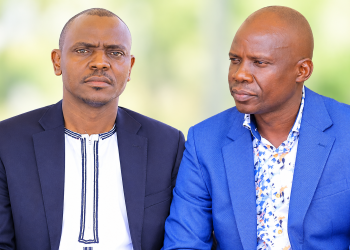










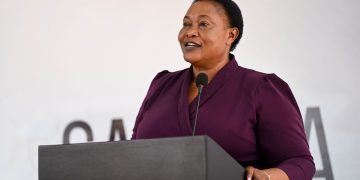











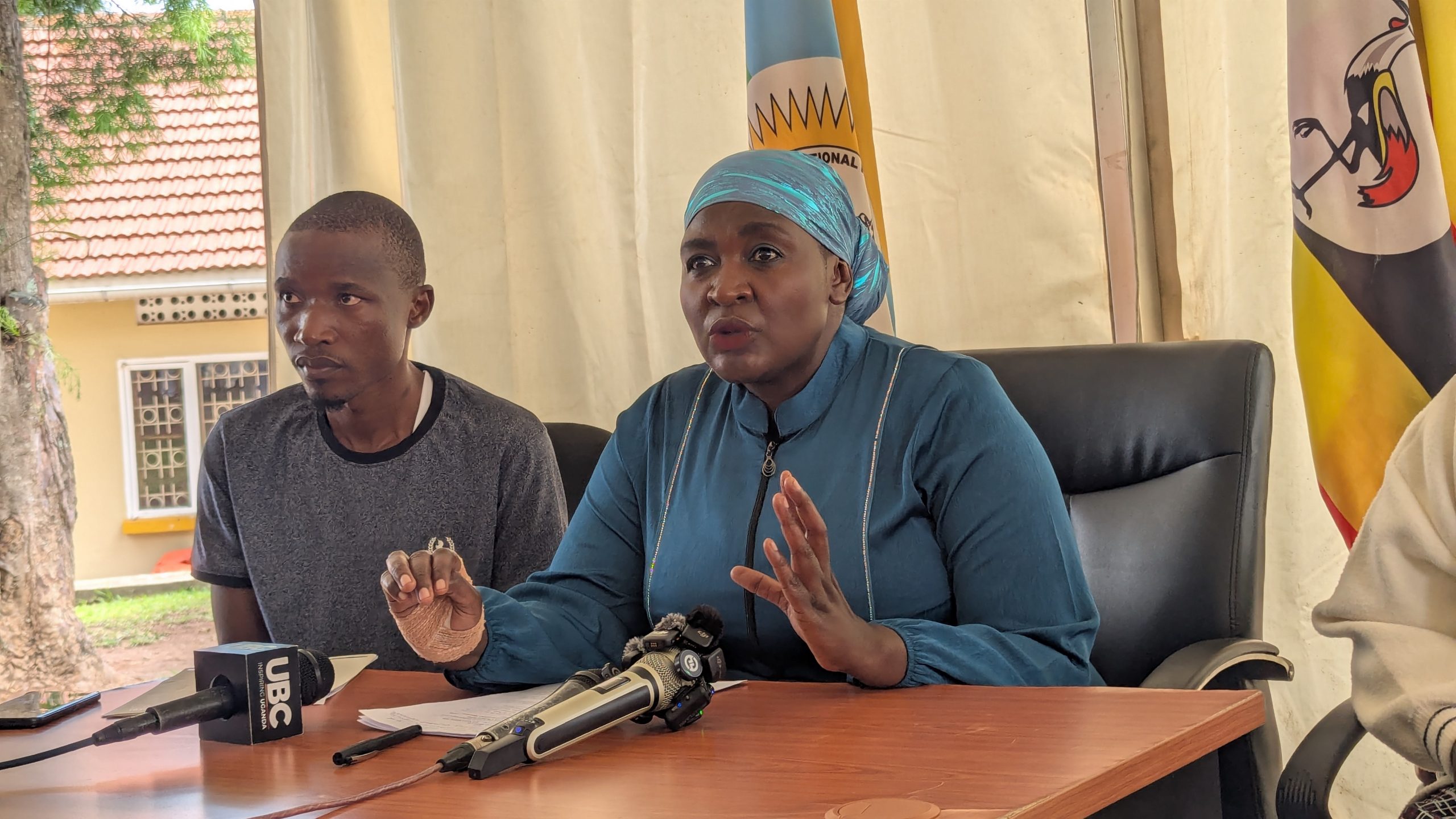
The head of the office of the National Chairman (ONC) Hajjati Hadijah Namyalo has called for sweeping reforms in Uganda’s tax and customs administration, citing allegations of double taxation, bribery and unfair treatment of local traders by enforcement officers.
While speaking to journalists at the head office in Kyambogo,Namyalo said small and medium-sized businesses were being squeezed by what she described as unpredictable tax procedures and excessive charges.
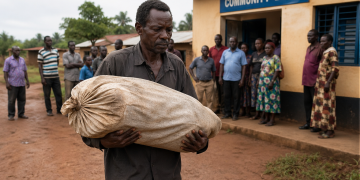
Namyalo said traders were particularly frustrated by delays in clearing goods, even after meeting Uganda Revenue Authority (URA) requirements, with some allegedly being forced to pay additional informal charges to have their merchandise released.
She cited complaints from traders who claim that goods cleared by URA are sometimes intercepted along the road by security personnel on allegations of under-declaration, leading to demands for bribes or additional warehousing fees.
The NRM official also raised concerns about alleged double charging, saying some traders report that merchandise is picked from their shops during offloading, after which they are subjected to additional payments.
” A trader who has done everything the law requires should not have to buy back the right to do business, one payment after another,” Namyalo said.
She also questioned the requirement for goods imported from Kenya, Tanzania and South Sudan to be transported to URA’s Nakawa warehouse in Kampala for further handling, arguing that the arrangement increases storage costs for traders.
On taxation, Namyalo called for a review of the per-kilogram duty imposed on imported textiles and garments, arguing that it places a disproportionate burden on businesses dealing in heavier products such as jeans.
Under the FY2025/26 tax measures, imported fabrics attract duty of USD2 per kilogram or 36 per cent of their customs value, whichever is higher, while imported garments attract USD2.50 per kilogram or 36 per cent.
She cited cases in which traders reportedly had similar 40-foot containers of garments assessed at UGX500 million and UGX600 million, questioning the consistency of customs valuations.
The NRM further called for a review of the application of VAT on imported goods, saying traders complain of being charged at importation and again through the Electronic Fiscal Receipting and Invoicing Solution (EFRIS).
Beyond taxation, Namyalo warned that small Ugandan retailers were facing growing competition from foreign investors who have expanded into wholesale, retail and direct consumer sales.
She urged government to enforce existing trade and investment laws fairly, arguing that foreign investment should create jobs and transfer skills without pushing local businesses out of the market.
The NRM called on the Ministries of Finance and Trade, URA, the Uganda Investment Authority and Parliament to review the tax regime, investigate alleged informal payments and improve consultation with traders.
The organisation welcomed President Yoweri Museveni’s intervention and Prime Minister Robinah Nabbanja’s engagement on textile taxation, urging government to turn the proposed reviews into lasting policy reforms.
” We support revenue mobilisation, but not at the expense of wealth creation,” Namyalo said.