


















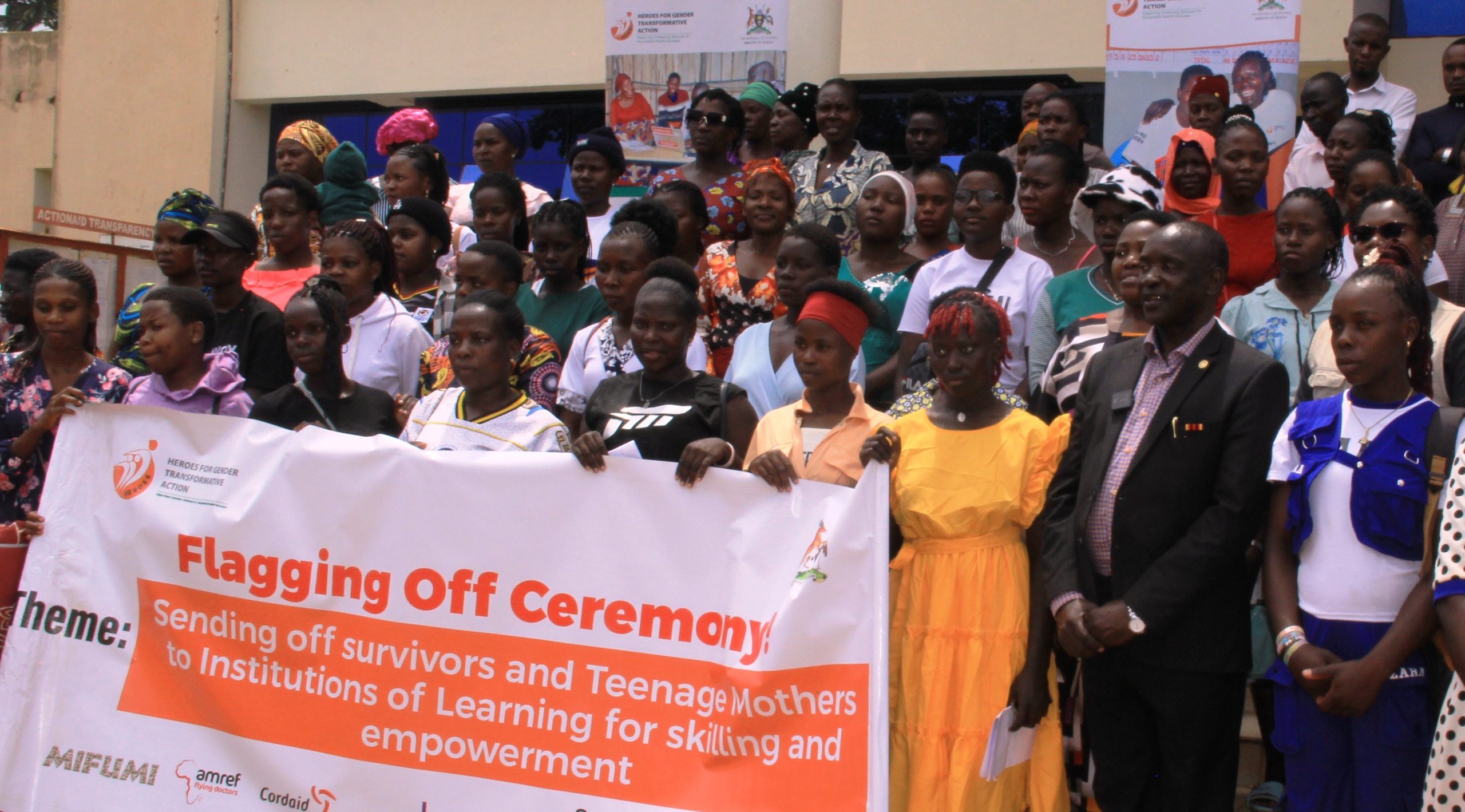
In an effort to break the cycle of poverty and vulnerability, 74 teenage mothers in Kalangala District have enrolled in a vocational skills training programme designed to equip them with practical, income-generating abilities to support themselves and their children.
The initiative, implemented by MIFUMI, a prominent Ugandan women’s rights organisation, focuses on girls who became mothers at a young age, often through exploitation, early sexual activity, or forced early marriages common in the island district’s fishing communities.
Many of these young women have been abandoned by partners, left to fend for themselves while moving between landing sites in search of survival.
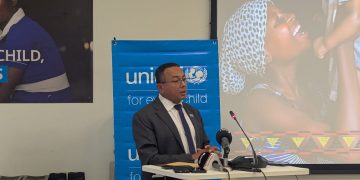
Immaculate Akello, MIFUMI’s Sexual and Gender-Based Violence Project Manager, said that the programme addresses the deep despair faced by these girls.
“In Kalangala, some as young as 12 have been made wives and then deserted when their husbands move to other sites,” she said. “These girls lose hope and struggle to provide for their children and themselves.”
The training covers in-demand trades such as computer studies, shoe-making, catering, plumbing, hairdressing and other related skills. Participants are prepared not only for employment but also for entrepreneurship, with the aim of fostering economic independence and contributing positively to their communities.
Kalangala, an archipelago of over 40 populated islands in Lake Victoria, faces unique and acute challenges in adolescent sexual and reproductive health. Officials report that girls here often begin sexual activity as early as age 10, driven by factors including a low female-to-male ratio in fishing communities, economic pressures, and the influx of young migrants seeking non-existent formal jobs who end up in bars or exploited by wealthier fishermen.
Willy Nkumbi, Kalangala District Community Development Officer, highlighted the ongoing risks: “The community is at high risk due to early sexual debut and defilement pressures.”
He noted that while NGO-supported sensitisation seminars have encouraged more reporting of gender-based violence, reducing reported defilement cases from about six per week (involving children aged 3–8) to two, the district still grapples with teenage pregnancy rates fluctuating between 19% and 20%, influenced by population mobility on the islands.
Erisa Kaggwa, Mugoye Sub-County Community Officer, added that many children arrive from neighbouring districts hoping for work, only to face exploitation.
“While the number of teenage mothers is gradually decreasing, the problem persists at around 13% in some areas, and local governments alone cannot provide the needed support,” he said.
This skills programme aligns with broader national and multi-donor efforts which has reached thousands across high-burden districts like Kalangala. According to reports, such interventions have contributed to modest national declines in teenage pregnancy rates (from 25% to around 23% in recent years) through community education, survivor support groups, and economic empowerment.
One beneficiary, Grace Kayesu from Mwena Landing Site, shared her story. Kayesu said she became pregnant at 16 while in Primary 7 after a man promised marriage and education support. These promises were never kept. After giving birth, he abandoned her, leaving her to work unpaid on beaches for months.
Now enrolled in salon studies, Kayesu hopes to open her own business to support her daughter and her mother, who is recovering from an accident.