






















The latest figures from the Uganda Bureau of Statistics show Uganda’s unemployment rate at 12 percent. On paper, that may not seem alarming. But the reality on the ground tells a very different story.
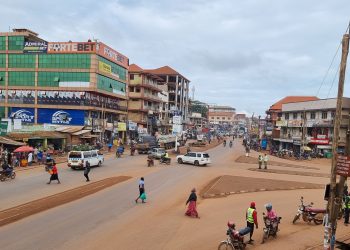
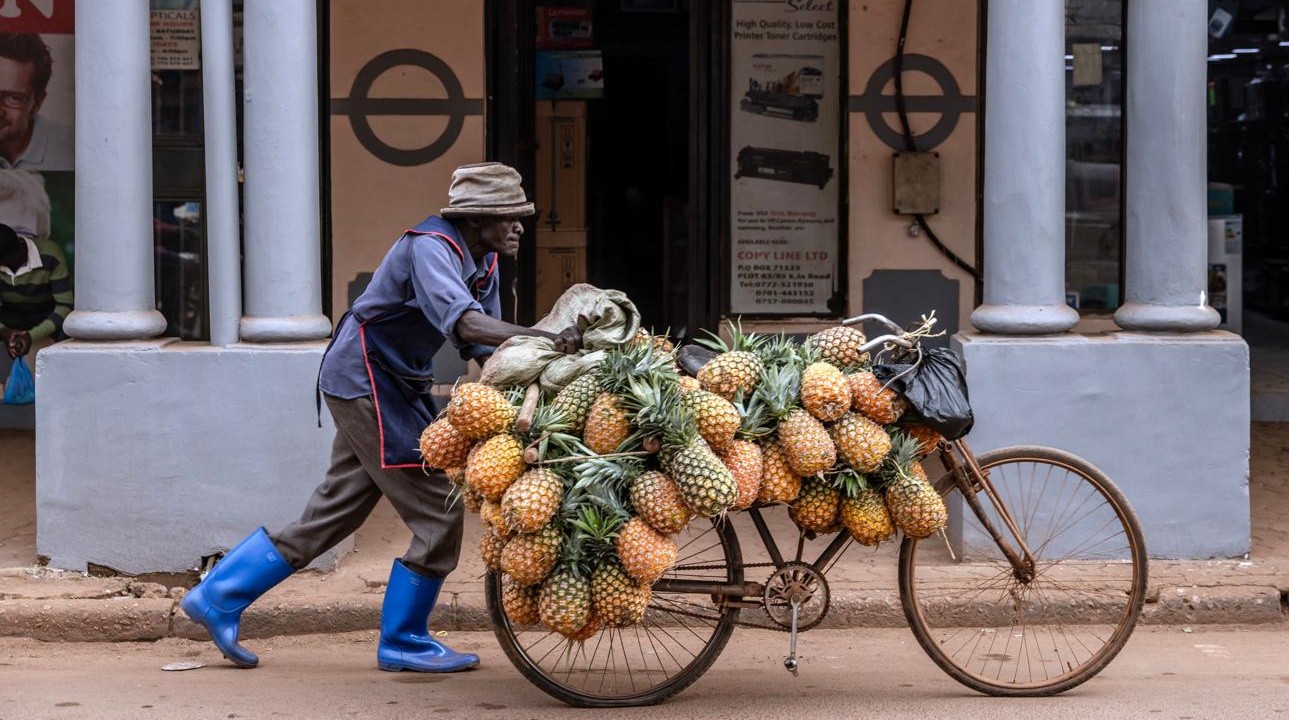
Across Kampala, and other towns, people are not sitting idle. Young men ride boda bodas from morning to night, graduates sell clothes on pavements, and mothers run small businesses to make ends meet.
Many of these people are counted as employed, yet their daily lives reflect something closer to survival than stability. This is the deeper issue behind the statistics. Uganda is not just facing unemployment. It is facing a crisis of poor-quality jobs.
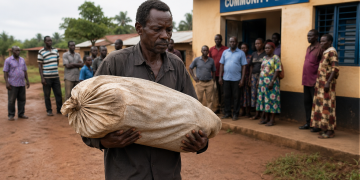
When UBOS reports that nine in ten Ugandans work in informal jobs, it reflects a country where most workers have no social security, no health insurance, and no guaranteed income. One illness or one bad business day can easily push a family into crisis.
The situation is even more difficult for young people. The reported youth unemployment rate of 18 percent does not fully capture the frustration many face.
A large number of young Ugandans are underemployed, working in jobs that do not match their skills or education and that offer little income. The disappointment is visible in everyday conversations and across social media platforms.
For young women, the burden is even heavier. With unemployment at 21 percent, they face both economic and social barriers that limit their opportunities. In many communities, lack of income can lead to dependence or early marriage, reducing their chances of economic independence.
Government leaders, including Amos Lugoloobi, have pointed to the need to improve productivity. This is important, but productivity cannot improve without the right conditions. Workers need relevant skills, access to affordable credit, and an environment where businesses can grow beyond mere survival.
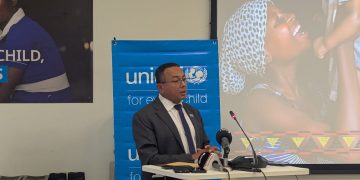
The additional funding for apprenticeship programmes, highlighted by Aggrey David Kibenge, is a positive step. However, the scale of the challenge requires broader and more sustained investment. Each year, universities and institutions release thousands of graduates into an economy that is not creating enough structured opportunities.
At the same time, weak enforcement of labour standards continues to undermine job quality. Even within formal employment, many workers face delayed wages and poor working conditions. This reality discourages skilled workers and pushes more people into informal work.
One of the most concerning findings is the low employment to population ratio. It shows that the economy is not expanding fast enough in sectors that create meaningful jobs. Economic growth that does not translate into employment cannot improve livelihoods.
Uganda has a young and energetic population that could drive development. But without deliberate action such as strengthening industries, supporting small businesses, and investing in practical skills, this potential may not be fully realized.
The numbers in the report are important, but they do not tell the whole story. Behind them are millions of Ugandans working hard every day and still struggling to build secure lives.
That is the reality, and it calls for urgent and practical solutions.
By Ivan Kimbowa, Senior Journalist. Contact: ivankimbowa7@gmail.com | +256 701 584 195