






















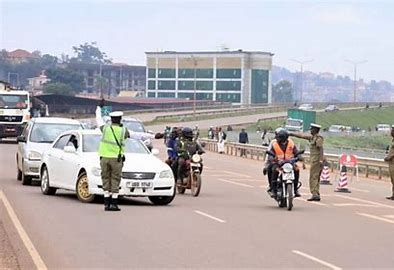
The usually choked lanes of the Kampala–Jinja Highway are, for once, moving. Where engines once idled bumper to bumper from dawn to dusk, there are now visible gaps in traffic, shorter queues at junctions, and an unfamiliar calm stretching across Uganda’s busiest commercial corridor.
But this is not the result of improved road infrastructure or better traffic management. It is the quiet signal of a deeper strain: many motorists have simply parked their vehicles because they can no longer afford to keep them on the road.
Across the greater Kampala metropolitan area, including Mukono and Wakiso, a growing number of drivers are abandoning daily commutes and commercial trips as fuel prices surge and supplies become erratic.
What began as scattered shortages in upcountry districts has quickly rippled into the central region, leaving fuel stations dry, transport operators stranded, and businesses counting losses.
At several outlets operated by Shell and TotalEnergies, attendants have been left with little to do but turn away motorists.
Pumps stand idle, and in the few stations where fuel is available, prices have climbed sharply to around 6,000 shillings per litre of petrol.
Long queues snake into the roads, with drivers often unsure whether the wait will end in a refill or disappointment.
For many, the uncertainty is just as crippling as the cost. John Kalema, a boda boda rider, says a routine refill now involves navigating a maze of empty stations.
He describes moving past at least five outlets before finding one with fuel, a process that eats into both time and earnings. Like many riders, he has reduced his daily trips, choosing instead to conserve what little fuel he can access.
The ripple effects are being felt across the transport sector. Taxi operators report that fares have nearly doubled on several routes as drivers attempt to offset rising costs.
Abas Kiryabwire, a taxi operator, says the increase in fuel prices is cutting deeply into already thin margins. Some drivers, he explains, have opted to park their vehicles altogether rather than operate at a loss.
Others are limiting the number of trips they make each day, contributing to reduced passenger capacity and longer waiting times.
The crisis is unfolding at a particularly difficult moment. Many parts of the country are also grappling with load shedding, increasing reliance on fuel-powered generators.
Yet even this option is becoming less viable. Some fuel stations have stopped selling petrol in jerrycans, prioritizing vehicle refueling amid dwindling supplies.
For small businesses that depend on generators to stay operational, the dual pressure of electricity shortages and limited fuel access is proving overwhelming.
Industry analysts point to a mix of global and local factors behind the situation. Tensions involving Iran have unsettled international oil markets, particularly due to the country’s strategic position along the Strait of Hormuz, a narrow passage through which a significant share of the world’s oil supply passes.
Any disruption in this corridor raises shipping risks and pushes up global crude prices.
These international pressures are compounded by a weakening Uganda shilling, which has made fuel imports more expensive. The result is a squeeze that is being felt at the pump, where both price volatility and intermittent supply have become the norm.
Despite reassurances from the Ministry of Energy and the Uganda National Oil Company that national reserves remain stable, the lived reality for motorists tells a different story. Frequent stock-outs and steadily rising prices have created a sense of uncertainty that is reshaping daily life and economic activity.
Even at the highest level of leadership, the message has been sobering. Yoweri Museveni recently advised citizens to stay home if fuel costs become unaffordable, a remark that underscores the severity of the situation but also reflects the limited immediate solutions available.
For now, the clearer roads along the Kampala–Jinja Highway stand as a visible paradox. What should be a sign of progress instead reveals a slowdown driven by economic pressure.
Vehicles remain parked in compounds and garages, not by choice, but by necessity. And as the engines fall silent, so too does a portion of the country’s daily economic rhythm, waiting for relief that, for many, cannot come soon enough.