

















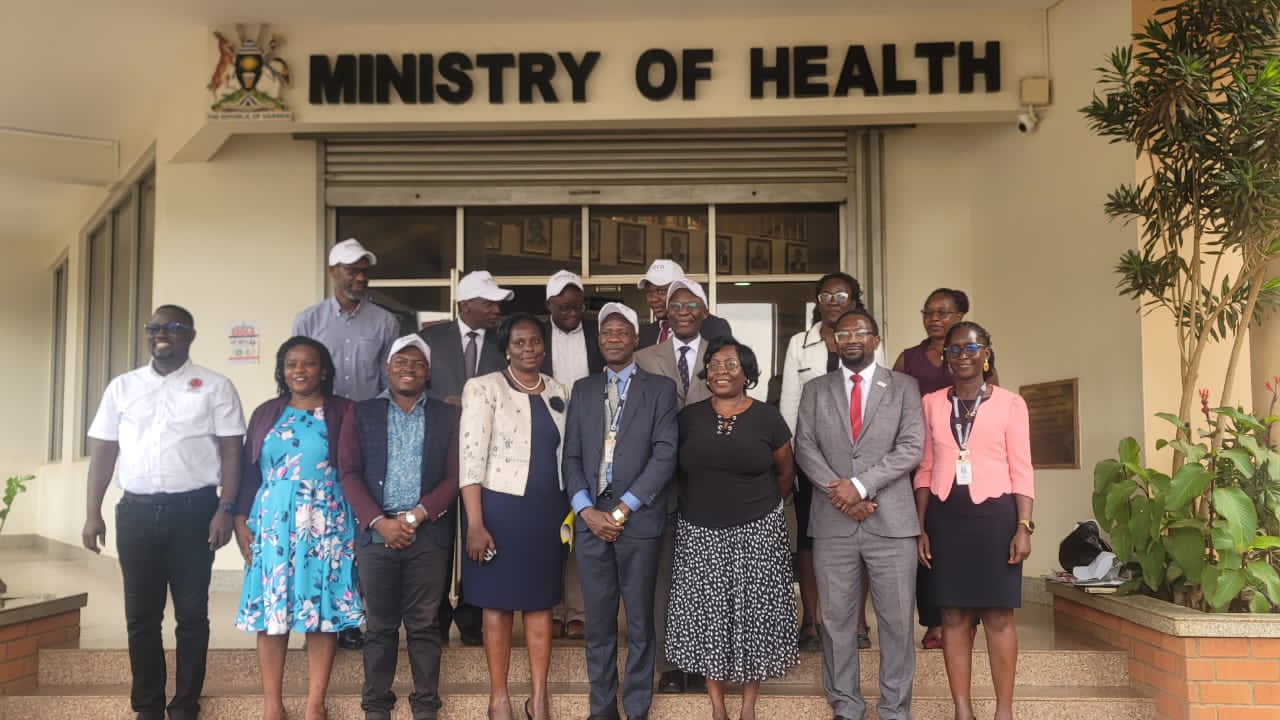
The Ministry of Health has renewed its appeal for stronger national efforts to combat sickle cell disease, warning that thousands of Ugandan children continue to lose their lives to the inherited blood disorder despite the availability of interventions that can significantly improve survival.
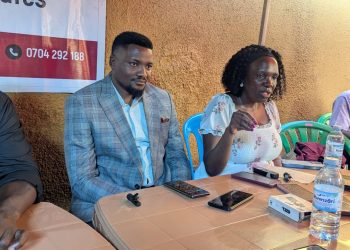
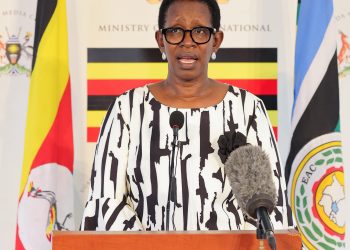
Addressing journalists ahead of the World Sickle Cell Day celebrations due to take place on June 19 in Jinja City, Director General of Health Services Dr. Charles Olaro said Uganda remains among the countries most affected by sickle cell disease worldwide.
Dr. Olaro revealed that between 13 and 15 percent of Ugandans carry the sickle cell trait, representing nearly six million healthy carriers. He added that about 20,000 babies are born with sickle cell disease every year, while an estimated 6,000 to 9,000 die before celebrating their fifth birthday.
“Many of these deaths are preventable. When children are diagnosed early and enrolled into appropriate care, they can live longer, healthier and more productive lives,” he said.
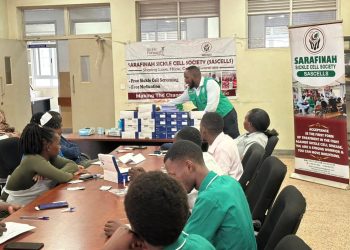
As part of efforts to reduce mortality linked to the condition, the Ministry recently launched a nationwide newborn screening programme aimed at identifying affected infants shortly after birth and initiating treatment before serious complications arise.
Dr. Olaro noted that sickle cell disease remains a major contributor to under-five deaths in Uganda and called on health workers, policymakers, development partners, civil society organisations and the media to support ongoing interventions.
Dr. Mariam Ajambo, the Ministry of Health’s National Coordinator for Sickle Cell Disease, said prevention remains the most sustainable strategy for reducing the disease burden.
She encouraged Ugandans to know their sickle cell status before starting families, saying informed reproductive choices can help lower the number of children born with the condition.
“We are expanding newborn screening services to ensure babies born with sickle cell disease are detected early and started on treatment, while also encouraging communities to know their sickle cell status,” Dr. Ajambo said.
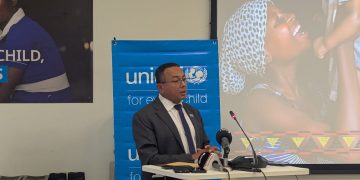
Consultant Pediatric Hematologist at Mulago National Referral Hospital, Dr. Deogratias Munube, said laboratory analyses of samples collected from different regions continue to show a persistently high prevalence of both sickle cell disease and the sickle cell trait.
“We have continued testing among both HIV-exposed and non-HIV-exposed children, and the results remain consistent with previous studies, confirming that the burden of sickle cell disease is still substantial in several parts of the country,” Dr. Munube explained.
He said the screening programme is generating critical data to guide health planning, improve treatment services and inform resource allocation for sickle cell care nationwide.
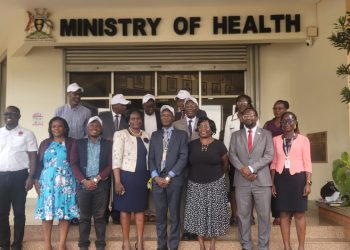
The Ministry of Health, working alongside local and international partners, is strengthening screening, diagnosis and treatment services in a bid to improve early detection, expand access to care and reduce preventable deaths.
Uganda will mark World Sickle Cell Day on June 19 in Jinja City under renewed calls from health experts for increased public awareness, routine testing and better access to lifesaving treatment for people living with the disease.