
















Medical professionals, women’s rights advocates, and survivors have raised alarm over the continued loss of lives linked to unsafe abortions in Uganda, urging stronger public awareness, improved access to post-abortion care, and clearer guidance for health workers operating within the law.
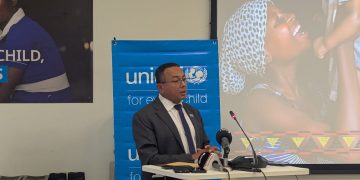
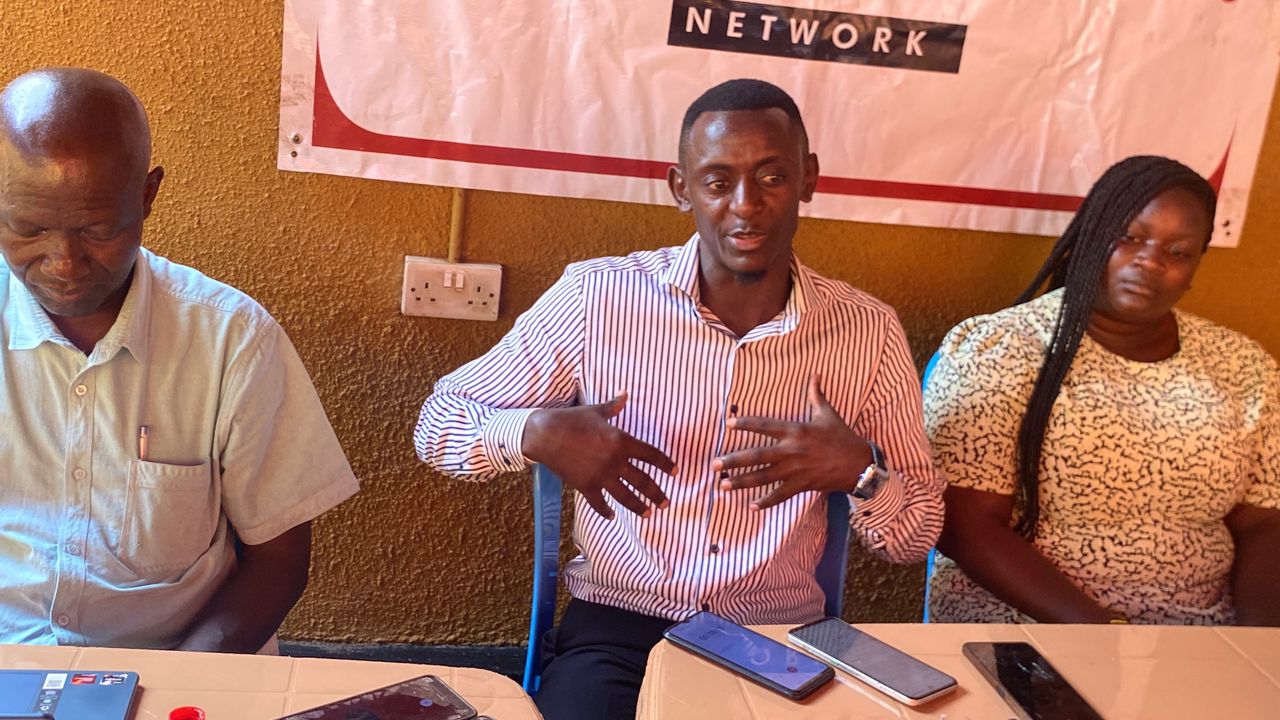
Speaking during a media engagement on reproductive health, obstetrician-gynaecologist Dr. Peter Ssebadduka said many women and girls continue to suffer severe and often preventable complications after seeking unsafe abortion services. He attributed the trend to persistent stigma, misinformation, and fear of seeking timely medical attention.
Dr. Ssebadduka shared disturbing cases, including that of a 17-year-old girl who lost her uterus after an unsafe procedure resulted in extensive internal injuries.
“Some of these girls return to school immediately after such procedures and conceal their pain until serious infections set in. By the time they seek care, their condition is already critical,” he said.
He noted that while abortion is legally restricted in Uganda, the law allows termination of pregnancy under specific circumstances, including when the life of the mother is at risk or in cases of severe medical conditions such as advanced heart disease and cancer, provided the procedure is carried out under qualified medical supervision.
Dr. Ssebadduka also called on health workers to prioritize patient welfare by offering accurate information and appropriate referrals, stressing that ethical medical practice requires providing emergency care regardless of personal beliefs.
“Health workers should not turn away patients in distress. Our duty is to preserve life and prevent further harm,” he added.
Joseph Mwebaze, Communications Officer at the Centre for Women Justice Uganda, described unsafe abortion as a serious public health challenge contributing significantly to maternal deaths and long-term health complications.
“Every year, thousands of women and girls suffer complications from unsafe abortions. This is a public health crisis that must be addressed beyond moral or religious debates,” Mwebaze said.
He expressed concern that fear of arrest among some health workers, even when providing legally permitted post-abortion care, continues to delay or obstruct emergency treatment.
Mwebaze further urged journalists and policymakers to highlight the health and human rights dimensions of the issue, and to strengthen public awareness that post-abortion care services are available in government health facilities.
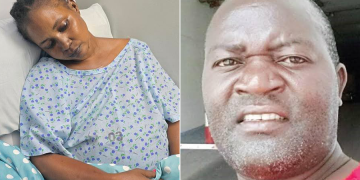
The engagement also featured a testimony from a nurse who survived an abortion-related crisis during her student years. She recounted the emotional distress she experienced after becoming pregnant while in training, including fear of expulsion, family rejection, and community stigma.
She said the lack of support and overwhelming pressure left her isolated and uncertain about where to seek help—challenges she noted are common among young women facing unintended pregnancies.
Participants at the meeting called for intensified community sensitization, stronger engagement with religious and cultural leaders, and expanded access to reproductive health information as key steps toward reducing preventable deaths linked to unsafe abortion.
They emphasized that addressing stigma, misinformation, and gaps in healthcare access remains critical to safeguarding the health and lives of women and girls across Uganda.