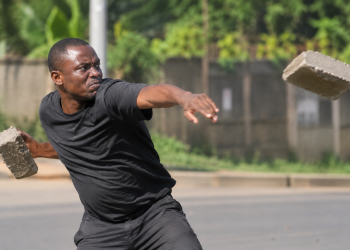




















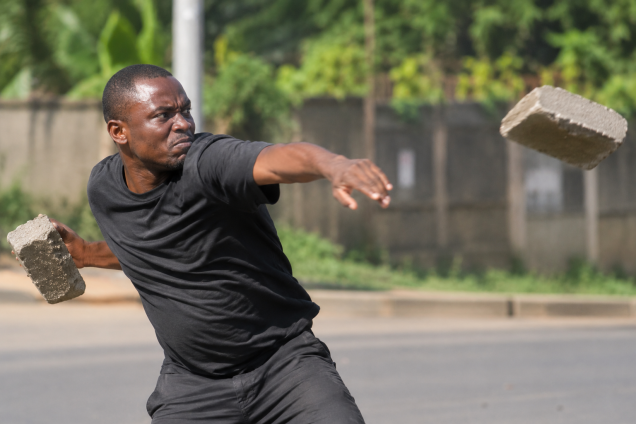
KAMPALA — Charles Buwembo, a 50-year-old driver attached to the Ministry of Local Government, is fighting for his life at Mulago National Referral Hospital after he was allegedly attacked and struck with a paving stone by suspected thugs in Kasangati.
Buwembo, who drives State Minister for Local Government Justine Nameere, was reportedly attacked on Monday night after dropping the minister at Kigo.
According to information obtained by Insight Post, Buwembo left the vehicle at Kigo and proceeded towards his home. It was during the journey that he was allegedly attacked, hit with a paver and left unconscious.
He was later rushed to Mulago Hospital for treatment.
Sources familiar with his condition said Buwembo had not yet responded to treatment by Wednesday, although Insight Post could not independently verify the extent of his condition.
The incident has raised questions not only about the circumstances surrounding the attack but also about the safety and welfare of drivers and other support staff who routinely work beyond normal hours while serving government officials.
Kampala Metropolitan Police spokesperson Recheal Kawala said she was not aware of the incident when contacted by Insight Post. It was therefore unclear whether the matter had been formally reported to police and whether an investigation had been opened.
The apparent lack of information from police also leaves questions about where and how the attack occurred, the identity of the attackers and whether any leads had been established.
At the Ministry of Local Government, officials acknowledged that the incident had occurred but referred questions about Buwembo’s condition to the Human Resource department.
The ministry’s Head of Human Resource, Joan Natwenda, who is also an Assistant Commissioner, asked Insight Post to contact the ministry’s communication unit.
The ministry’s public relations officer, Joyce Babirye Katende, initially referred the matter back to the Human Resource department when contacted on Wednesday.
On Thursday, Katende maintained that communication about the matter was the responsibility of the Human Resource department, although she acknowledged that the ministry was aware of the incident.
The back-and-forth over who should provide information has left several important questions unanswered, particularly about Buwembo’s current condition and the circumstances under which he was attacked.
Beyond the immediate incident, Buwembo’s case highlights a less visible aspect of public service: the working conditions of drivers who remain on duty for long hours depending on the schedules of the officials they serve.
Government drivers may sometimes have to wait for their principals during evening engagements, meetings or other official activities before making the journey home. When such work extends late into the night, their exposure to security risks can increase, particularly when they are travelling alone after dropping off their principals.
This raises questions about the measures government institutions have in place to protect drivers and other support staff whose working hours are determined by the schedules of senior officials.
It also raises questions about whether drivers who routinely work beyond official working hours receive overtime compensation or other forms of support for extended duty.
In Buwembo’s case, the immediate concern remains his recovery.
But his ordeal also presents a broader institutional question: when public servants are required to work late into the night in the course of serving government officials, who is responsible for ensuring that they can return home safely?
The answers from the police and the Ministry of Local Government could help clarify both the circumstances of the attack and whether there are gaps in the systems meant to protect workers performing such duties.