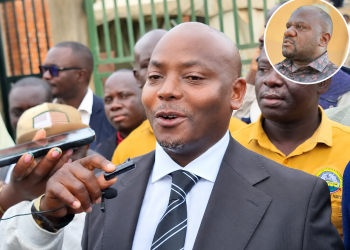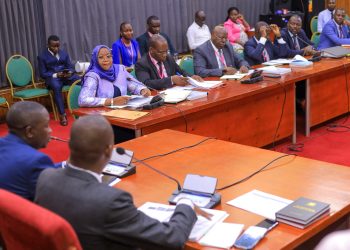














Members of Parliament have challenged the government to present concrete measures within 14 days to address soaring food and fuel prices, warning that households are struggling to afford basic necessities despite projections of economic growth.
The legislators want the government to reduce taxes on petroleum products, cut non-essential expenditure and consider using part of its foreign exchange reserves to ease pressure on the shilling.
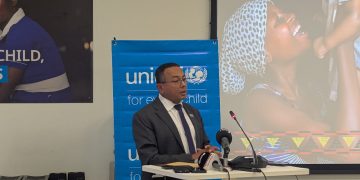
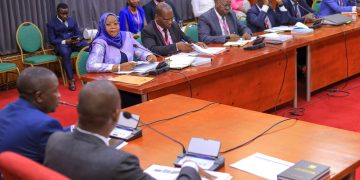
The demands followed a statement by the Minister of State for Finance, Planning and Economic Development, Henry Musasizi, on the state of the economy, which MPs criticised for failing to offer practical solutions to the rising cost of living.
Kilak South MP Gilbert Olanya issued the 14-day call, warning that continued increases in food and transport costs could fuel public discontent.
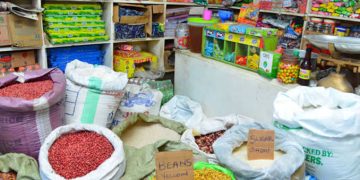
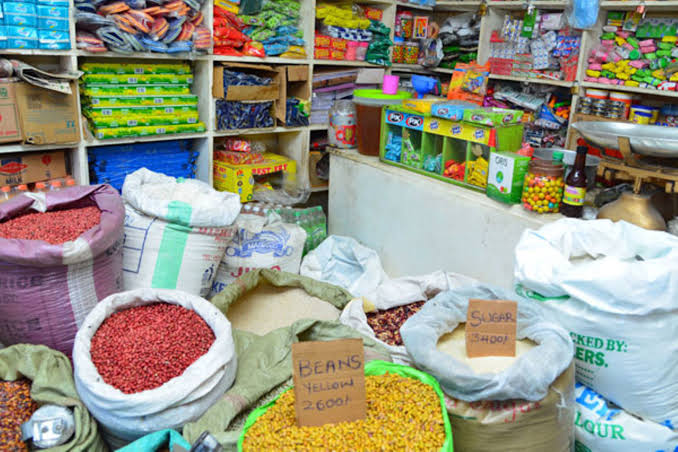
Ntungamo Municipality MP Gerald Karuhanga described the situation as a national economic crisis, citing matooke prices of up to Shs90,000 per bunch, maize flour approaching Shs3,000 per kilogramme and beans selling at about Shs7,000 per kilogramme.
He also cited petrol prices ranging between Shs7,500 and Shs8,000 per litre at some stations, saying the combined cost of food and fuel was making life increasingly difficult for ordinary Ugandans.
“We have a crisis. It is actually a national economic crisis. Let’s face it, and let government address it as such,” Karuhanga said.
Karuhanga questioned why the government continued accumulating foreign exchange reserves while consumers faced rising prices. He argued that part of the reserves could be considered for interventions to ease economic pressure.
He also called for an industrial park fund to support local manufacturers with land and affordable utilities, saying increased domestic production would create jobs and reduce dependence on imported goods.
Luwero District Woman MP Brenda Nabukenya said high fuel prices were increasing the cost of transporting agricultural produce from villages to markets, pushing up the prices of locally produced food.
She called for a review of excise duty and other taxes on fuel and essential imports, alongside cuts in non-essential government spending.
“The taxpayer is carrying this burden,” Nabukenya said, questioning continued spending on official travel and expensive government functions while households struggled to meet basic needs.
Mbale Industrial Division MP Masaba Karim also blamed domestic policy decisions, including fuel taxes, for contributing to the rising cost of living. He cited Kenya’s reduction of Value Added Tax on petroleum products from 16 per cent to eight per cent as an option Uganda could consider.
Other MPs questioned why official economic growth projections were not translating into improved living conditions.
Mukono District Woman MP Sheilah Draville Amaniyo said Ugandans needed explanations for why food, fuel, sugar, soap and school fees remained expensive despite reports of economic expansion.
Wakiso District Woman MP Betty Ethel Naluyima also demanded clearer explanations about the relationship between the exchange rate and rising commodity prices.
Hassan Kirumira the Katikamu South MP warned that Uganda risked sliding into an economic recession if the government failed to address mounting financial pressures. He raised concerns about declining donor support and foreign companies repatriating profits, and questioned when oil production and exports would begin.
Fuel prices affect transport, agriculture and manufacturing, meaning increases can push up the cost of goods across the economy. However, reducing fuel taxes could lower government revenue, while using foreign exchange reserves would require careful consideration of economic stability.
The MPs want the government to present specific measures to stabilise prices, support domestic production and protect household purchasing power.