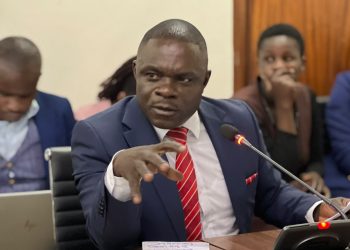














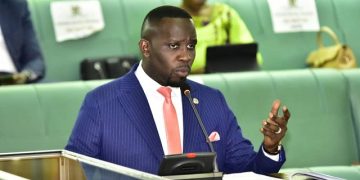







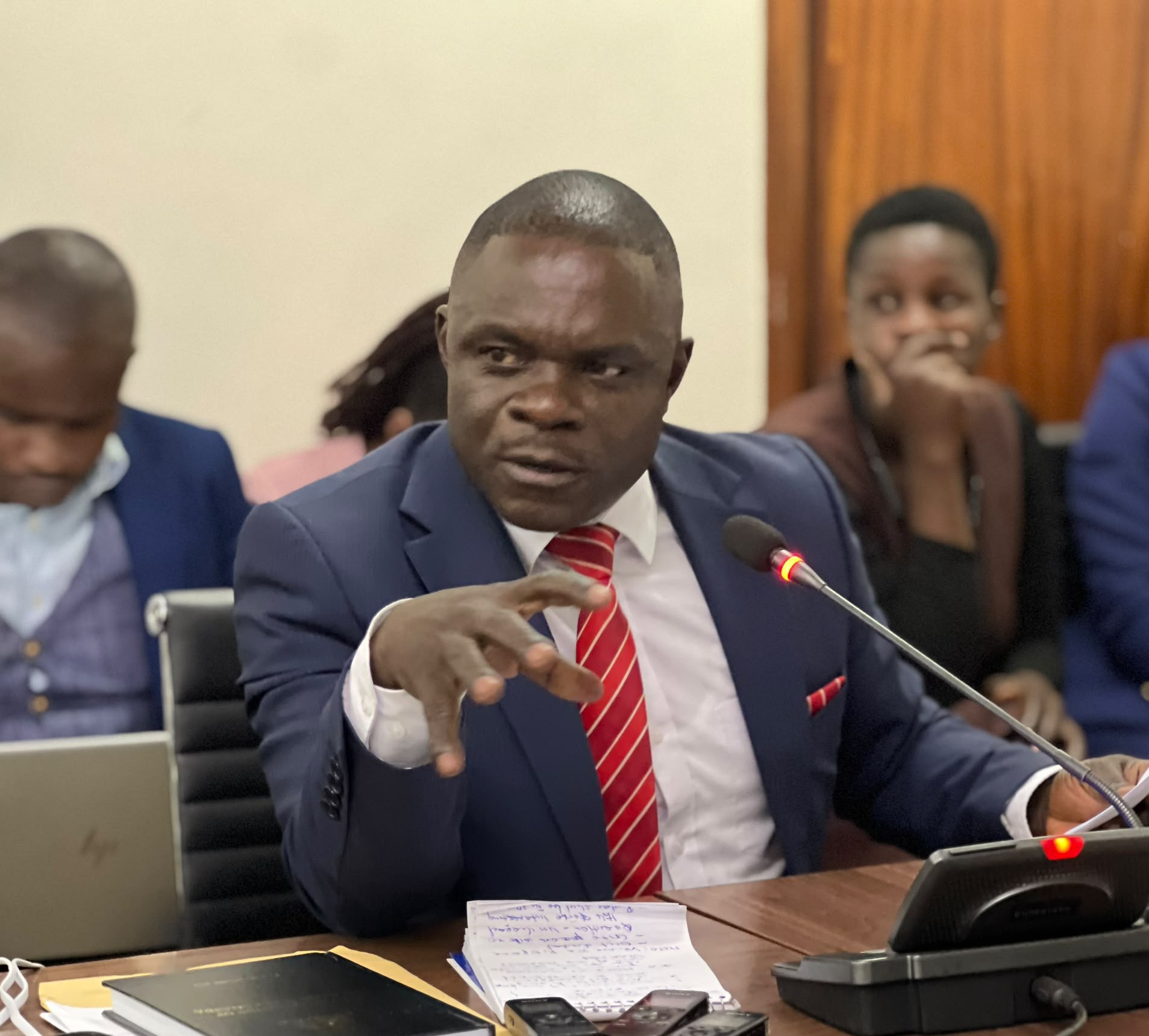
Charles Tebandeke the Member of Parliament for Bbaale County wants Parliament to introduce electronic voting and review the Speaker’s powers, saying changes to the Rules of Procedure are needed to strengthen transparency, accountability and fairness in the House.
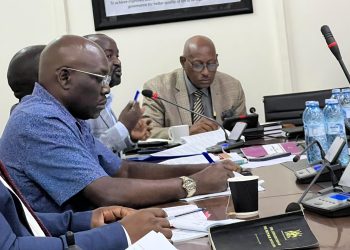
Tebandeke presented the proposals to Parliament’s Committee on Rules, Privileges and Discipline, chaired by Nakawa East MP Fred Ruhindi, which is reviewing amendments to parliamentary procedures. The committee has been granted an additional month to table the proposed changes before Parliament.
The MP wants Parliament to abandon voice voting, where the Speaker determines the outcome by listening to members shout “ayes” or “nays”, arguing that the method provides no verifiable record of individual MPs’ positions.
He proposed electronic voting or another reliable system that records how each legislator votes on bills, motions and other substantive matters.
“Voting by shouting in the House would have stopped a long time ago because it bears no evidence, no record, no accountability and no reference for members who voted what,” Tebandeke told the committee.
Where electronic voting is unavailable, he suggested that MPs supporting a motion stand while those opposed remain seated, allowing parliamentary officials to count them.
He cited controversial legislation, including the Protection of Sovereignty Bill and the Anti-Homosexuality Act, arguing that recorded votes would help citizens hold their representatives accountable for decisions made in Parliament.
Tebandeke also called for a review of Rules 7 and 8, which governs the Speaker’s general authority and the handling of matters not expressly covered by the rules.
He argued that the provisions give the Speaker wide discretion in interpreting procedures, maintaining order and disciplining MPs, without clear mechanisms for challenging some decisions.
“I am not against the office or the Speaker, but I am against the authority that the rules of procedure give to the office of the Speaker because they make him more or less a dictator,” he said.
To address the concerns, Tebandeke proposed that when parliamentary rules are silent on an issue, the Speaker should make an interim ruling and refer it to the committee for interpretation and ratification within 14 days.
He also wants an internal appeals mechanism for MPs dissatisfied with the Speaker’s decisions. In cases where the Speaker has a direct personal interest or is involved in a dispute that could lead to disciplinary action, Tebandeke proposed that the Deputy Speaker preside.
The MP further wants Parliament to widen the scope of issues legislators can raise under Rule 56, which governs statements on urgent matters of public importance.
He argued that the current requirements could prevent MPs from raising pressing concerns affecting their constituencies because such matters may not be considered nationally significant.
Under his proposal, legislators would be allowed to raise issues affecting villages, parishes, sub-counties and districts, particularly those involving human rights, accountability and service delivery.
He also wants the time allocated to such statements increased from one hour to at least two hours on Wednesdays and Thursdays, with each MP given at least five minutes to present a matter.
Tebandeke proposed that responsible ministers respond immediately where possible or provide answers within 14 days, saying the changes would give community concerns, including flooding and inadequate public services,greater attention in Parliament.