






















Ugandans who acquired vocational skills through apprenticeship and years of practical experience will have an opportunity to obtain nationally recognised qualifications following the launch of the Uganda TVET Qualification Framework.
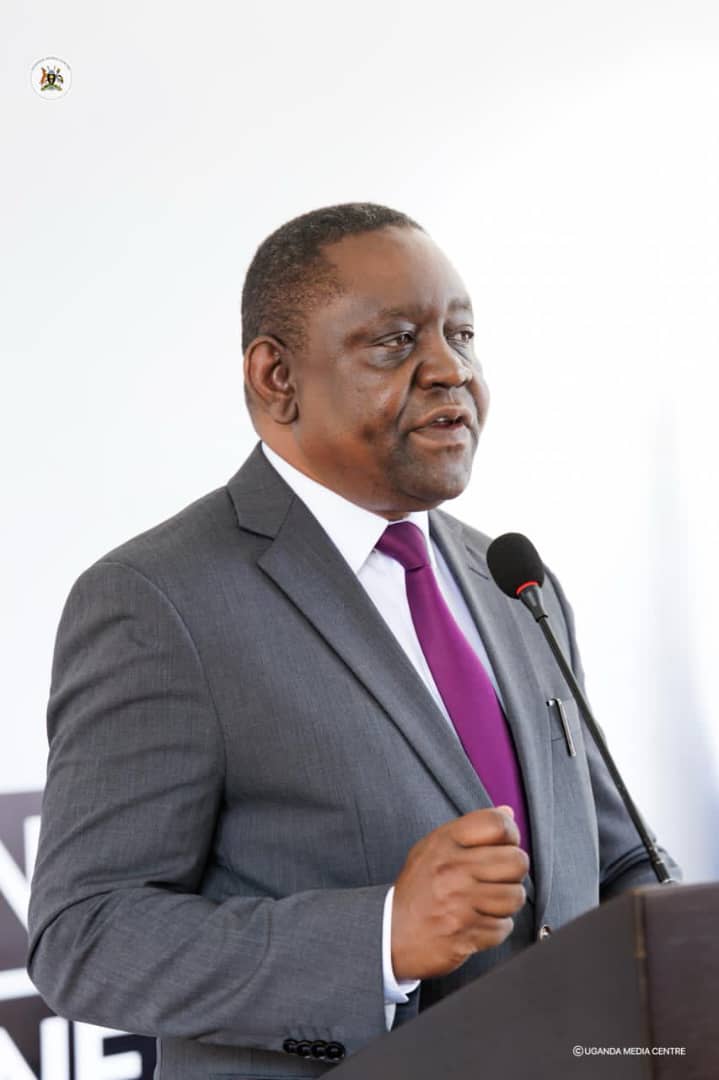
The framework, launched on Wednesday at the Uganda Media Centre in Kampala by Technical and Vocational Education and Training (TVET) Council Executive Director Moses Kasakya, seeks to establish clear standards for assessing skills, recognising competencies and providing structured career progression in the vocational sector.
The initiative is expected to benefit artisans, mechanics, carpenters, electricians, farmers and other workers who have developed practical skills outside formal classroom settings but often struggle to secure employment or contracts because they lack recognised certificates.
Speaking at the launch, Kasakya said Uganda has many skilled people whose abilities remain unrecognised because there has been no clear mechanism for assessing and certifying competencies acquired through informal learning.
He explained that the framework introduces eight qualification levels, providing a structured pathway from basic vocational skills through artisan and craft qualifications to diplomas, degrees, master’s degrees and PhDs.
It also establishes what individuals at each level are expected to know and demonstrate practically, giving employers and training institutions a clearer understanding of the competencies represented by different qualifications.
Kasakya said people who acquired skills through apprenticeship, workplace experience or informal training will be able to seek certification through Recognition of Prior Learning (RPL).
However, he emphasised that certification will not be automatic or based on the number of years someone has worked.
Instead, applicants will undergo practical assessments at recognised assessment centres to demonstrate that they possess the competencies required at a particular qualification level.
“If they can perform that task, then they deserve to get a certificate,” Kasakya said.
He cited the example of a carpenter who has spent years perfecting the trade through practical work but cannot compete for formal contracts because they lack documentary proof of their abilities.
Under the new arrangement, such workers will have an opportunity to demonstrate their skills and obtain qualifications based on the competencies they have acquired.
The framework will also make vocational education a more structured career option for young people and school leavers.
Kasakya said learners who complete Primary Seven and choose the vocational pathway will be able to progressively advance through the qualification levels, while those with the required qualifications can enter at higher levels without necessarily starting from the bottom.
He dismissed the perception that choosing vocational education is a sign of academic failure, saying the framework creates opportunities for learners to develop practical competencies and advance their careers up to doctoral level.
For employers, the framework is expected to improve confidence in vocational qualifications by linking training programmes to occupational standards developed with industry input through Sector Skills Expert Committees.
Kasakya said this would ensure training institutions produce skills demanded by the labour market while reducing the cost of retraining newly recruited workers.
He also revealed that the Council was strengthening the regulation of training institutions, with providers required to demonstrate adequate training facilities, equipment, qualified instructors and partnerships with workplaces where learners can gain practical experience.
Kasakya said about 195 institutions had been licensed at the time of his last update, adding that institutions must demonstrate the capacity to implement the framework.
He called on employers, parents, training institutions and industry players to support the reforms, saying the ultimate goal is to make Ugandan skills competitive locally, regionally and internationally.