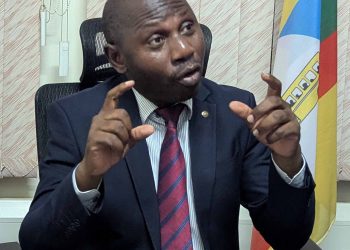

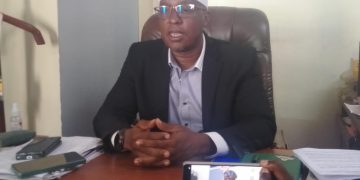
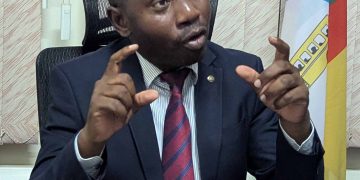











The Arua Division Town Clerk, Frank Kisuule, has been accused of blocking a road connecting several cells to Masaka City, threatening the implementation of a World Bank-funded road construction project.
The 3.5-kilometre road, which stretches from Bwala to Kitovu Hospital, is among those earmarked for upgrading under the World Bank-funded project. It serves several cells, including Kidda, Kitabaazi, Buchulo, Bulando, Kibinde and Kitengeese, among others.
Kisuule is alleged to have blocked the road using poles and barbed wire after learning that it had been selected for tarmacking under the project.
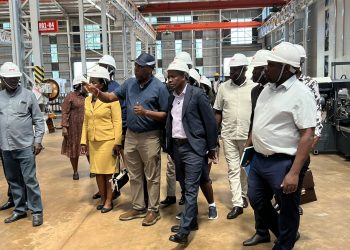
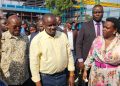
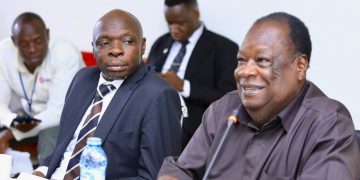
During a stakeholders’ meeting, the Masaka City Clerk, Authman Ssebadduka, urged residents to resolve the land ownership dispute to allow the project to proceed.
Ssebadduka said the project could not be implemented on land where ownership disputes remained unresolved, adding that the project does not provide for compensation to people claiming ownership of the affected land.
He appointed a three-member committee, led by the City Physical Planner, Michael Mpindi, to investigate how Kisuule acquired the land allegedly occupying part of the road, which residents say has existed for several decades.
Haruna Lukyamuzi, the Senyange “A” LC1 Chairperson, told the meeting that the road had been in existence since 1960 and had been freely used by residents until recently, when Kisuule allegedly blocked it.
Lukyamuzi noted that land grabbing in the area had become a major challenge, making it difficult for government to implement development projects. He urged the committee to conduct thorough investigations into the matter.
“We cannot lose this project because of selfish individuals claiming ownership of the land. Once completed, this will be the first tarmacked road in the area,” Lukyamuzi said.
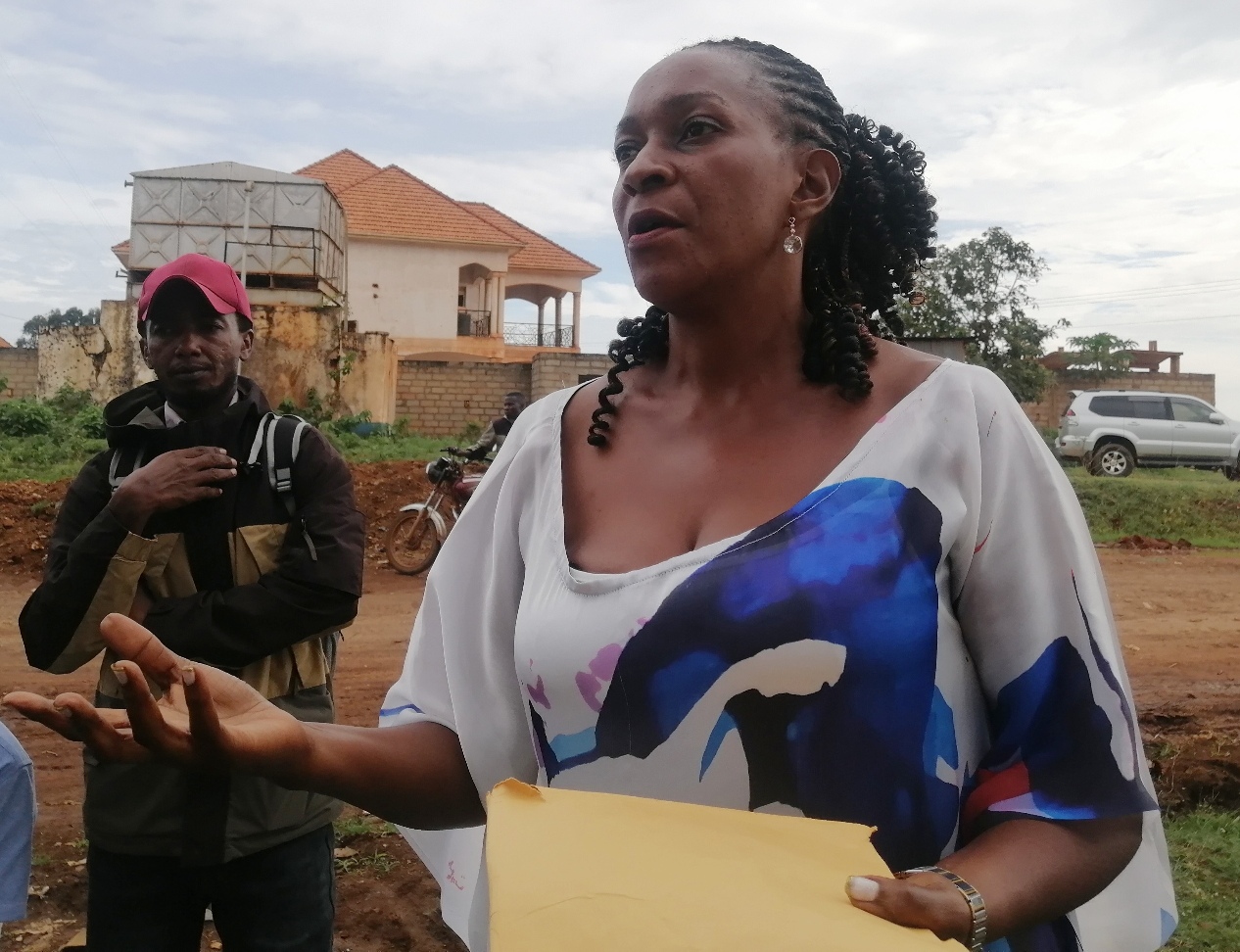
However, Sylvia Naggingo, Kisuule’s wife, who attended the meeting, maintained that they purchased the disputed land in 2014, although she could not identify the person who sold it to them.
A review of the land title reportedly indicated that the land was located in Kitabaazi Cell, while its coordinates placed it in Bwala Cell, a discrepancy that left several stakeholders questioning the actual location of the property.
Naggingo insisted that city leaders should give priority to the coordinates rather than the name appearing on the land title, arguing that the coordinates placed their property in Bwala Cell.
She warned that if the authorities used force to reclaim the land, she would seek legal redress through the courts of law.
Following the disagreement, Masaka City Mayor Florence Namayanja ordered the tractor operator to reopen the road to allow residents to continue using it as the committee investigates the ownership dispute.
Namayanja said she had personally used the road while attending Kimaanya Primary School in the early 1970s, questioning how an individual could now claim ownership of a route that had served the community for decades.
“We cannot lose this project because someone may have been conned into buying land that they cannot even identify the person who sold it to them. The tendency of blocking major development projects in the city should not be allowed to continue,” Namayanja said.
The Masaka Assistant City Commissioner, Richard Katumba, gave the committee 14 days to complete its investigations and submit a report to guide the authorities on the way forward.
However, Naggingo maintained that she would challenge the findings in court if the report did not favour her, insisting that she could not lose land they had purchased using their hard-earned money.