


















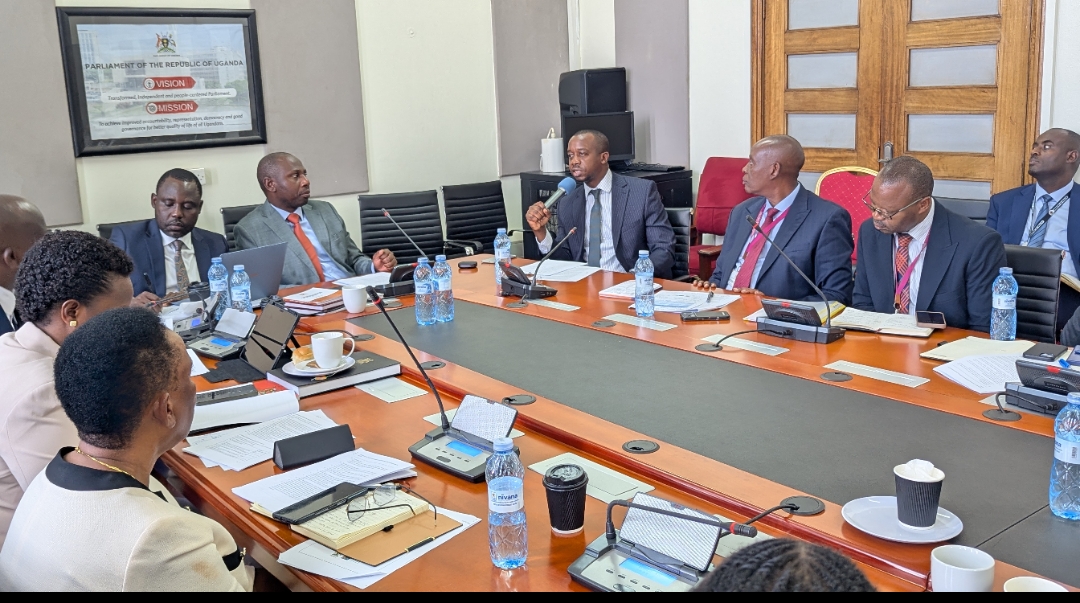
Uganda’s 18 regional referral hospitals are reporting improved availability of essential medicines and diagnostic services, but concerns over weak accountability, staffing shortages and inadequate funding continue to threaten gains in service delivery.
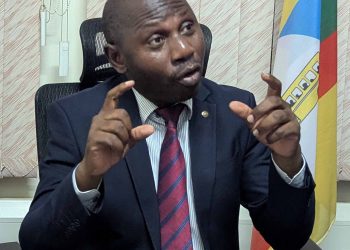
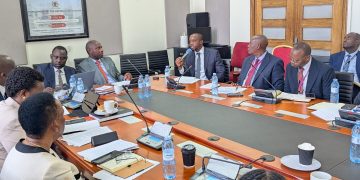
The improvement was highlighted by Parliament’s Health Committee Chairperson, Dr Julius Monday Rude, following a meeting with directors of all 18 regional referral hospitals to assess their performance during the 2025/2026 financial year.
Rude said the average availability of tracer medical supplies across the hospitals had increased from 35 per cent to more than 60 per cent, reducing the periods during which patients are likely to encounter drug stock-outs.
He attributed the progress partly to increased government allocations for medicines and medical supplies, urging Parliament and Cabinet to sustain the funding trend in the next financial year.
“Across all the 18 regional referral hospitals, we have seen that this has improved from 35 per cent to now above 60 per cent on average,” Rude said.
He also reported improvements in laboratory and medical imaging services, expressing optimism that continued investment would enable regional referral hospitals to provide more comprehensive diagnostic services.
However, the committee heard that medicine shortages remain a concern, with the Ministry of Health’s 2024/2025 Annual Health Sector Performance Report showing that national availability of 50 tracer commodities stood at 62 per cent, below the 90 per cent target.
The report also put facility-level availability of essential medicines and health supplies at 53 per cent.
The Auditor General’s 2025 report further established that National Medical Stores received Shs1.393 trillion for procurement and distribution of medicines in the 2024/2025 financial year, against assessed requirements of Shs1.574 trillion, leaving a funding gap of Shs181 billion.
Beyond funding, MPs raised concerns about accountability in the handling of medicines at health facilities.
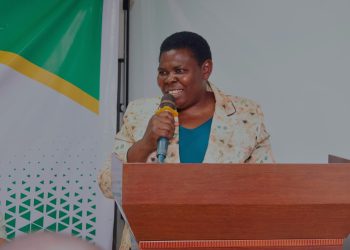
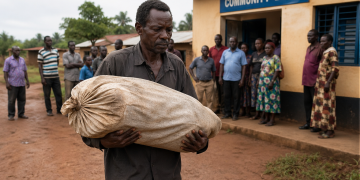
Busia Woman MP Hope Anyango told the committee that discrepancies between physical stock and records at health centres were undermining accountability, citing an oversight visit in which a facility’s stock cards indicated medicines were available despite the physical stores being empty.
She also questioned the practice of delivering medicines at night, sometimes leaving security guards to receive supplies on behalf of health workers.
Anyango urged National Medical Stores and health facility managers to strengthen internal controls to ensure medicines delivered are properly received, recorded and accounted for.
Jinja South West MP Timothy Batuwa called for regional referral hospitals to develop specialised services in selected areas to improve access to treatment and reduce congestion at national referral hospitals.
Responding to concerns about specialised healthcare, Minister of State for Health in charge of Primary Health Care Charles Ayume said government was gradually expanding services, including dialysis, neonatal intensive care and cancer treatment.
He explained that oncology services were being developed in Mbale, Gulu, Arua and Mbarara, while cautioning that highly specialised services require substantial investment in equipment and skilled personnel.
Ayume also revealed that regional referral hospitals were operating at an average staffing level of about 23 per cent of their approved structures, describing inadequate staffing as a major obstacle to service delivery.
He urged Parliament to prioritise completing stalled health infrastructure projects rather than starting new ones, warning that delays and rising construction costs were increasing the financial burden on taxpayers.
Despite the reported improvements, the discussions highlighted the need for sustained investment, stronger accountability and adequate staffing to ensure that progress in hospitals translates into better care for patients.