











Thousands of women and girls reporting gender-based violence in Uganda continue to face an uphill battle for justice, with new figures showing a significant gap between cases reported to police and perpetrators convicted.
Women leaders and civil society organisations say weak investigations, slow court processes, limited survivor support and inadequate funding are allowing perpetrators to escape accountability.
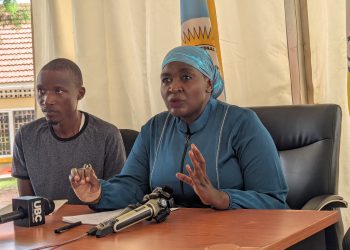
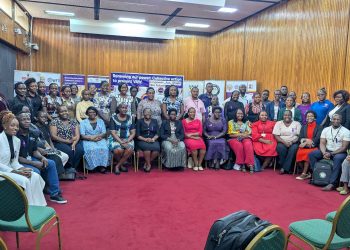
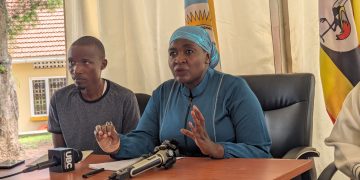
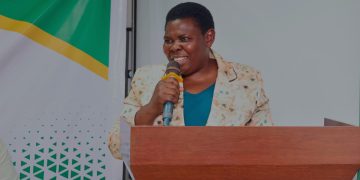
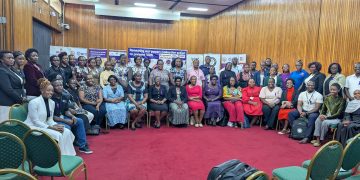
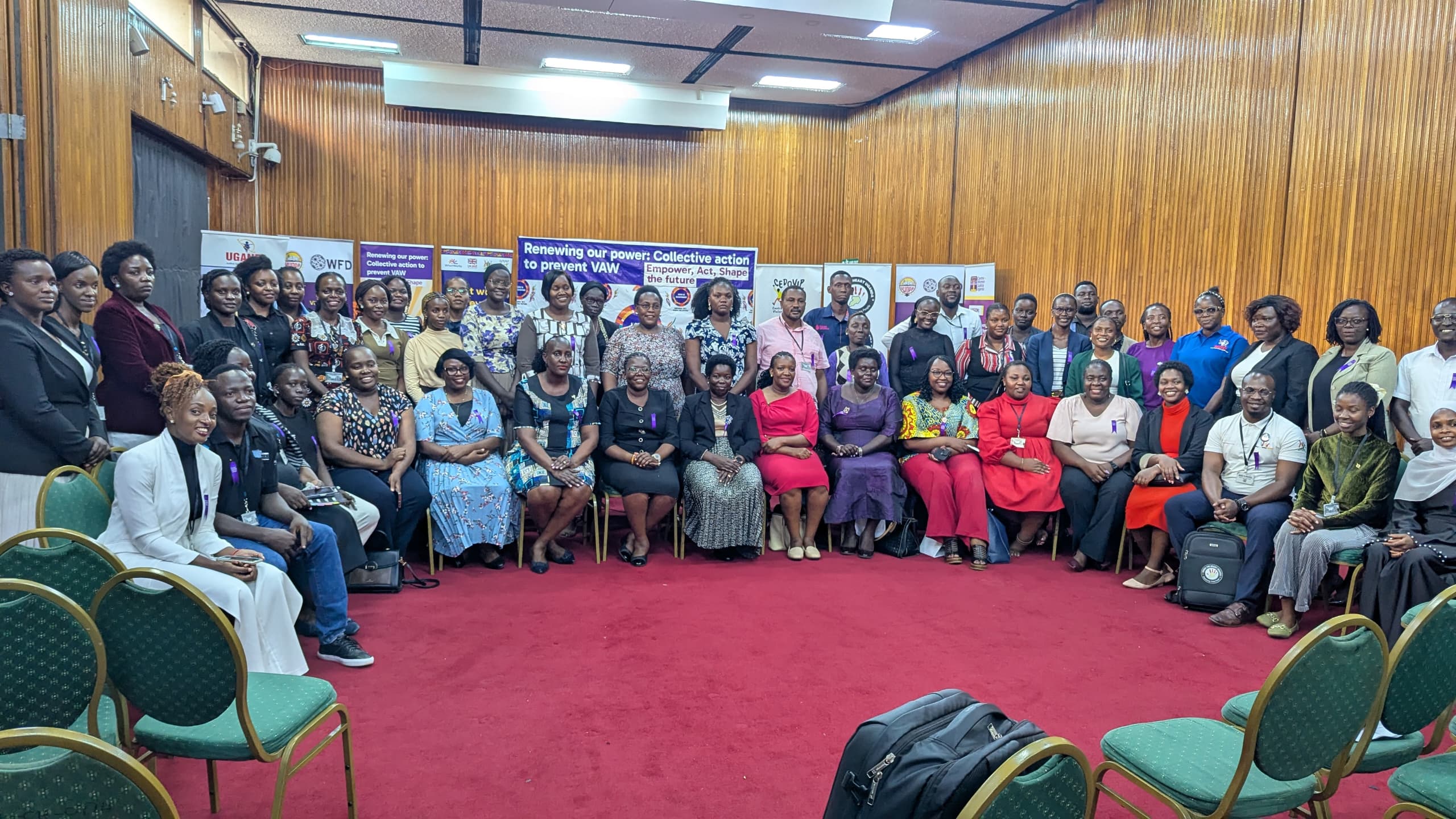
The concern emerged on Monday during the launch of the 16 Days of Activism Against Gender-Based Violence at Parliament, where the Domestic Violence Act Coalition brought together legislators, human rights activists and civil society organisations to demand urgent reforms.
Hope Nankunda of Raising Teenagers Uganda cited Uganda Police statistics showing that although 12,361 domestic violence cases were recorded, only 1,761 proceeded to court, resulting in 614 convictions.
In defilement cases, 4,886 cases reached court, leading to 713 convictions, while only 22 convictions were secured from 719 rape cases taken to court.
Nankunda said the figures exposed serious weaknesses in investigations and prosecution, with many survivors abandoning cases because of stigma, intimidation, financial dependence and family pressure.
Lira District Woman MP and Uganda Women Parliamentary Association (UWOPA) Chairperson Linda Agnes Auma said the country must address these gaps through stronger laws, better institutional coordination and increased investment in survivor protection.
She revealed that UWOPA plans to establish a legal aid referral desk to help survivors, including professional women who fear publicly reporting abuse, access legal assistance.
Auma also committed to pushing for the expedited consideration of pending legislation, including the Marriage Bill, Sexual Offences legislation, National Legal Aid Bill and Witness Protection Bill.
Mukono District Woman MP and UWOPA Treasurer Sheila Dravile-Amaniyo appealed to the judiciary, particularly female judicial officers, to help speed up gender-based violence cases.
She also urged women to support survivors who speak out and encouraged affected girls to take advantage of government provisions allowing pregnant schoolgirls to return and complete their education.
Moyo District Woman MP and UWOPA General Secretary Bernadette Kodili Chandia warned that gender-based violence was also undermining Uganda’s economic development.
Citing estimates by the Forum for Women in Democracy, she said the vice costs the country approximately Shs31.3 trillion annually.
Tororo District Woman MP and UWOPA Vice Chairperson Angela Akoth called for increased government and development partner funding for shelters, legal aid, psychosocial support and specialised investigations.
Kibuku District Woman MP Sylvia Damba Katooko said temporary shelters were urgently needed for women and children escaping violent homes, noting that some children end up on the streets after witnessing violence between their parents.
She announced that her organisation, Suri Women’s Development Centre, would conduct a violence prevention and positive parenting programme in Kibuku from November 25 to 27.
Wakiso District Woman MP and UWOPA Publicity Secretary Betty Ethel Naluyima also participated in the engagement.
Joan Amito, a programmes and advocacy officer at FIDA Uganda, cited the 2022 Uganda Demographic and Health Survey, which shows that 43.7 per cent of women aged 15 to 49 have experienced physical violence since the age of 15, while 17 per cent have experienced sexual violence.
Josephine Kamisya, Executive Director of the Centre for Domestic Violence Prevention (CEDOVIP), said ending violence required political commitment, coordinated institutional action and adequate financing.
Ian Kikomeko, representing Touch the Heart Uganda and the National Coalition on Ending Child Marriage, urged government to close the gap between existing legal protections and the experiences of women and girls.
The coalition also includes organisations working on domestic violence prevention and women’s rights, and is calling for stronger implementation of existing laws, including the Domestic Violence Act and Children’s Act.
Auma further warned that violence was increasingly moving into digital spaces through cyberstalking, online harassment, impersonation and the non-consensual sharing of intimate images.
She challenged men to actively participate in preventing abuse, saying the responsibility of ending gender-based violence should not be left to women alone.
The 16 Days of Activism campaign runs from November 25 to December 10, with this year’s global theme calling for justice, survivor protection and an end to impunity.
The coalition wants the campaign to translate into faster justice, adequate funding and stronger protection for women and girls across Uganda.