

























KAMPALA — Uganda’s digital number plate programme has cleared its backlog, with the average time taken to register and fit plates at Kampala vehicle bonds dropping from 19 days in December 2025 to just two days in September 2026, according to the Ministry of Works and Transport.
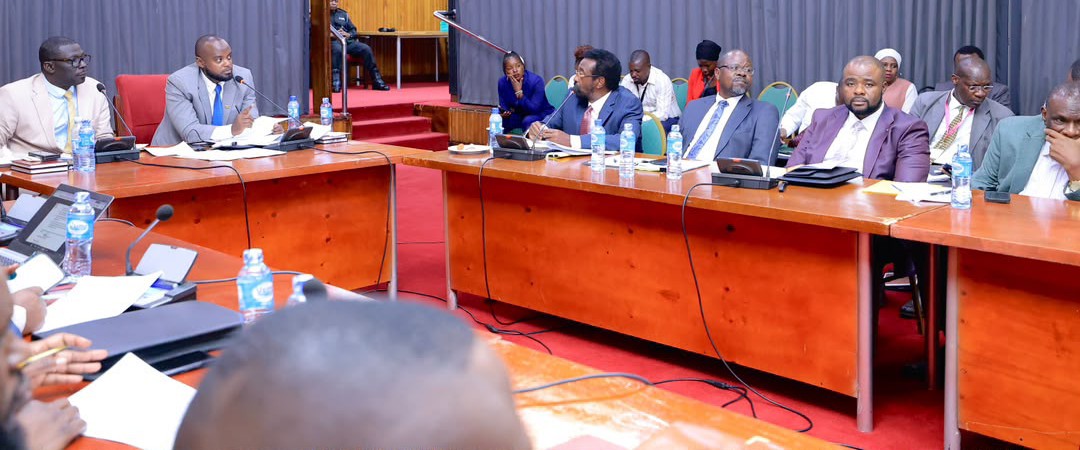
The development comes as Parliament’s Committee on Physical Infrastructure, chaired by Mwine Mpaka, continues to scrutinise the implementation of the Digital Number Plate Project following complaints over delays and shortages earlier this year.
Appearing before Parliament, Winston Katushabe, Commissioner for Transport Regulation and Safety at the Ministry of Works and Transport, said the availability of plates had improved considerably.
“Going by the current trends, I would think there is now some sanity,” Katushabe told the committee, while noting that some system-related challenges could still remain.
He said motorists were now able to receive their plates in real time after going through the required process, with installation kits also available.
The Ministry’s latest implementation report shows that shortages of digital registration plate components had been fully addressed by August 2026, with supplies restored and the backlog cleared during the same month.
The improvement is also reflected at vehicle bonds. In July, registration took an average of six days, with only 33 per cent of cases completed within two days.
By September, the average registration time, including fitment, had fallen to two days, while 72 per cent of cases were being completed within two calendar days.
For vehicles entering Uganda through the Malaba and Mutukula One Stop Border Posts, the Ministry says digital plates are now fitted in about three hours.
The Ministry also reported an increase in government revenue following the introduction of digital registration plates.
In the first financial year of implementation, tax collections increased by 17 per cent, while overall government revenue rose by 16.4 per cent.
The Ministry attributed the increase to improved compliance enforcement following the introduction of digital registration plates for motor vehicle declarations made by clearing agents.
The parliamentary committee was also presented with police cases in which the digital system was used to trace vehicles and support investigations involving stolen motorcycles and boda-boda riders.
The cases provided another dimension to the committee’s review, showing that the system is being used not only for registration and plate issuance but also for vehicle tracing and investigations.
The digital framework also allows vehicle owners to monitor their registration status, while the expansion of plate installation services outside Kampala is intended to make the service more accessible to motorists in other parts of the country.
The committee is expected to continue questioning stakeholders on the programme’s implementation, even as the latest Ministry figures point to a significant improvement in plate availability and processing times.