















Mukono residents seeking specialised rehabilitation services no longer have to endure long journeys to Kampala following the launch of a new physiotherapy centre at Colline Hotel Mukono, a development that health practitioners say could transform access to non-invasive medical care in the district and surrounding areas.
The facility, officially opened at the hotel premises along the Kampala–Jinja highway, introduces modern physiotherapy services aimed at treating a wide range of musculoskeletal and neurological conditions through exercise-based therapy, manual techniques, and advanced machines rather than medication or surgery.
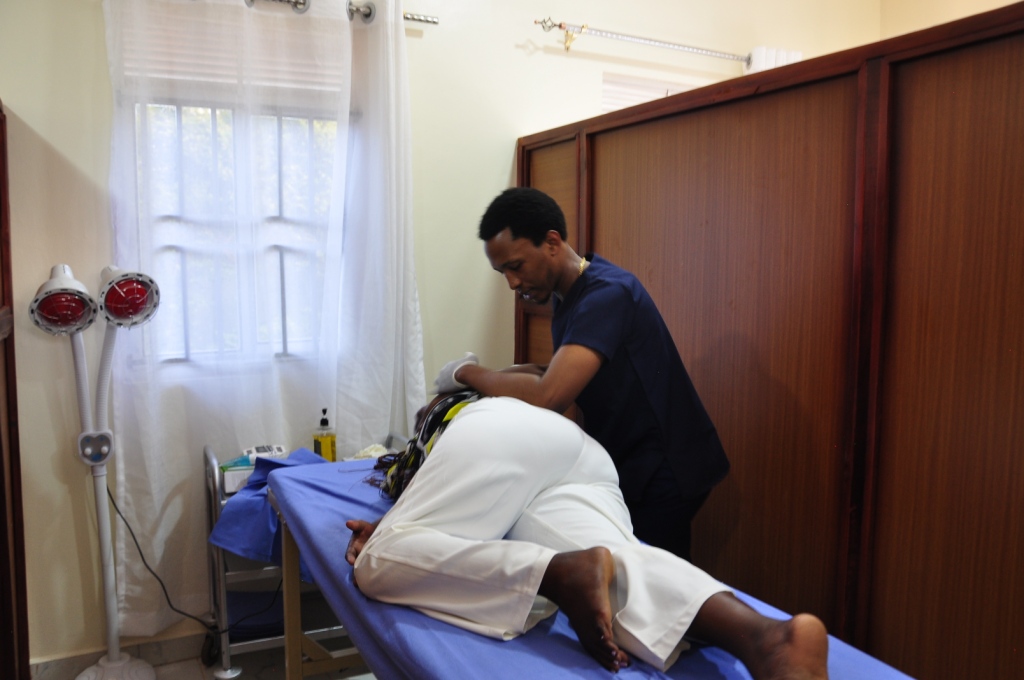
Equipped with treatment rooms and staffed by trained professionals, the centre is expected to serve patients suffering from back and neck pain, sports injuries, stroke-related complications, and developmental conditions such as cerebral palsy.
At the heart of the new facility is Melvin Aheebwa, a qualified physiotherapist and dry needling specialist, who says the centre is designed to challenge long-standing misconceptions about physiotherapy in Uganda.
“Physiotherapy is a field of medicine where we do not use drugs,” Melvin explained during the launch. “We rely on machines, manual therapies, and targeted exercises to treat back pain, neck pain, stroke recovery, limping gait, and even children with cerebral palsy who struggle with movement during their developmental years.”
Dry needling, one of the key techniques offered at the centre, involves targeting muscle trigger points to relieve pain and restore movement, particularly in patients with sports injuries, frozen shoulder, and restricted mobility.
Aheebwa noted that many Ugandans only seek physiotherapy as a last resort, after spending time and money on painkillers, repeated hospital visits, and diagnostic scans such as X rays and MRIs that sometimes fail to fully explain the source of pain.
“Our goal is to change that narrative,” he said. “Physiotherapy can be the first point of contact for pain management and long-term wellness.”
Addressing lifestyle and chronic pain challenges
The centre is also targeting a growing urban population affected by lifestyle-related pain, particularly office workers who sit for long hours and individuals suffering from poor posture.
Aheebwa warned that ignoring early symptoms and relying heavily on painkillers can worsen conditions over time while also posing risks to vital organs such as the liver and kidneys due to prolonged drug use.
He argued that countries where physiotherapy is more integrated into primary healthcare systems have recorded reduced dependency on medication and improved long-term patient outcomes.
For older adults above 55 years, the centre offers gentle rehabilitation programmes tailored to improve mobility, balance, and strength without the strain associated with gym-based exercises.
Hope for stroke and cerebral palsy patients
One of the most significant focuses of the new facility is neurological rehabilitation, particularly for stroke survivors and children living with cerebral palsy.
According to Aheebwa, consistent physiotherapy sessions can significantly restore mobility, with some stroke patients regaining the ability to walk and perform daily activities within weeks of structured therapy.
He emphasized that early intervention is key, especially in preventing permanent disability and improving quality of life for long-term patients.
Personal recovery story behind the initiative
The establishment of the centre was inspired by the personal health journey of Augustine Kasozi, the Managing Director of Colline Hotel Mukono, who spearheaded the project after experiencing severe sciatica.
“I could not sit for even five minutes because of unbearable pain,” Kasozi recalled. “I tried different treatments without success until physiotherapy helped me recover fully. That experience changed my perspective.”
Kasozi said his recovery motivated him to ensure that others in similar situations do not have to struggle to access treatment. He pledged that the services at the centre would remain affordable to accommodate patients from different economic backgrounds.
“When you are suffering, any man or woman should be able to afford treatment,” he said, adding that the centre currently operates two treatment rooms with plans for expansion as demand grows.
He also addressed possible public hesitation about accessing a medical facility within a hotel setting, noting that such arrangements are common in urban health systems and should not discourage patients from seeking care.
Medical community welcomes development
Local health professionals have welcomed the new centre, describing it as a timely intervention for Mukono’s growing population.
Jeremiah Katongole, Director of Jericom Medical Center, noted that many patients in the region have historically been referred to Kampala due to the absence of nearby physiotherapy services.
“We have been referring patients to Kampala because many residents here need physiotherapy services, but access has been difficult,” Katongole said. “This centre will greatly improve service delivery for Mukono residents.”
He added that delays in accessing physiotherapy have often worsened patient conditions, particularly for those recovering from injuries or surgery.
Awareness and preventive care at the core
During the launch event, therapists demonstrated basic exercises and introduced some of the equipment used in treatment sessions. The centre also plans to hold regular awareness campaigns to educate the public on posture correction, injury prevention, and self-care practices.
Services offered include treatment for neck and back pain, rehabilitation after injuries, stroke recovery, and pediatric physiotherapy for conditions such as cerebral palsy. The facility also provides guidance for patients with sports-related injuries and age-related mobility challenges.
Residents are being encouraged to seek early intervention rather than waiting for conditions to worsen. The centre aims to promote physiotherapy not only as a treatment option but also as a preventive healthcare practice.
A step toward decentralised healthcare
The opening of the physiotherapy centre marks a broader shift toward decentralising specialised healthcare services beyond Kampala. For years, residents of Mukono and neighbouring districts have relied on the capital for rehabilitation services, often facing high transport costs, delays in treatment, and overcrowded facilities.
In essence, Mukono’s new physiotherapy centre is not only a healthcare facility but also a signal of changing attitudes toward rehabilitation, early intervention, and accessible wellness services in Uganda.
ENDS.