









The political battle that defined the 2026 General Election in Greater Masaka is far from over. While the ballots have long been counted and winners declared, the region now finds itself at the centre of a new contest—one that will be fought in courtrooms rather than polling stations.
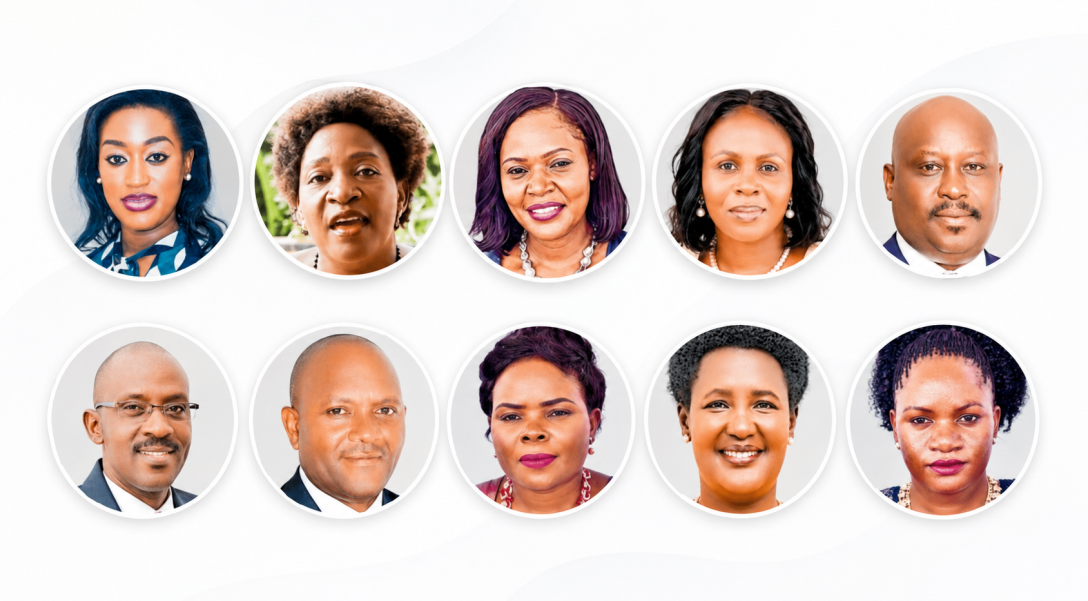
Over the coming months, the High Court in Masaka will hear approximately 15 election petitions challenging the outcomes of parliamentary and district woman representative races across the sub-region.
The cases, many involving allegations of electoral fraud, military interference, vote manipulation, and questions over candidates’ qualifications, threaten to keep political temperatures high in one of Uganda’s most politically charged regions.
A Region Still Divided
Greater Masaka has for years been regarded as a stronghold of the opposition, particularly the National Unity Platform (NUP).
However, the 2026 elections produced a mixed outcome, with the ruling National Resistance Movement (NRM) registering victories in several key constituencies.
The contested results have left many voters, candidates, and political actors dissatisfied, prompting a wave of petitions that could reshape the region’s political landscape.
Political analysts warn that the court battles could further deepen divisions between supporters of the NRM and the opposition.
The Masaka City Woman MP Dispute
Among the most closely watched cases is the petition challenging the election of Junior Local Government Minister Justine Nameere as Masaka City Woman MP.
Her victory is being contested by NUP’s Rose Nalubowa, who argues that the election process was flawed and that a decision by Masaka Chief Magistrate Albert Asiimwe unfairly overturned her victory.
The dispute has already exposed concerns about public confidence in the judiciary.
Nalubowa’s legal team previously questioned the impartiality of acting High Court Judge Simon Peter Kinobe, citing his past involvement in NRM party politics.
Although Judge Kinobe rejected calls to recuse himself, insisting he remained independent, the controversy fueled criticism from the petitioner and her supporters.
The case has attracted even greater attention because of claims by senior NRM figures, including Nameere and the party’s Buganda Vice Chairperson Haruna Kasolo, that President Yoweri Museveni personally directed efforts that ultimately led to Nameere being declared winner.
Whether those claims hold any legal significance remains to be seen, but they have added a political dimension to what is already one of the most contentious petitions before the court.
Masaka District Seat Also Under Challenge
In neighboring Masaka District, NUP’s Joan Namutaawe is preparing to defend her victory as District Woman Representative after NRM’s Joanita Nalule petitioned the court.
Nalule alleges that the Electoral Commission manipulated results in Namutaawe’s favour and argues that the NRM’s dominance in local government elections demonstrates she should have won the parliamentary contest as well.
Namutaawe has dismissed the allegations, maintaining that the election reflected the will of the people and vowing to defend her mandate.
The dispute highlights a growing trend where losing candidates increasingly seek judicial intervention after election outcomes fail to meet expectations.
Sodo’s Victory Faces Legal Scrutiny
Another case drawing national attention involves Mawogola North MP Godfrey Aine Kaguta, popularly known as Sodo and widely known as President Museveni’s half-brother.
His election is being challenged by lawyer John Jet Tumwebaze, a partner at Kampala Associated Advocates.
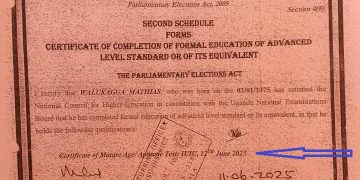
The petition raises two major issues: whether Sodo possesses the academic qualifications required by law to serve as a Member of Parliament and whether the election itself was conducted fairly.
Tumwebaze argues that he unsuccessfully sought access to Sodo’s academic records before polling day and remains unconvinced that the legislator meets the constitutional requirement of Advanced Level education or its equivalent.
He also alleges widespread electoral irregularities, including ballot stuffing and military interference during voting.
The outcome of the case could set an important precedent regarding transparency in candidate qualifications and the burden of proof in electoral disputes.
Sembabule Emerges as Petition Hotspot
No district has generated more election disputes than Sembabule.
At least four major petitions from the district are awaiting hearing at the Masaka High Court.
District Woman Representative Florence Nambaziira faces two separate petitions challenging her victory. One was filed by Independent candidate Mary Begumisa, while another was lodged by NUP’s Nina Kakunda, popularly known as Nina Roz.
Both petitioners question Nambaziira’s academic qualifications and allege that security agencies influenced the electoral process.
Begumisa argues that vocational certificates submitted by Nambaziira during nomination do not satisfy the constitutional academic requirements for parliamentary candidates.
Meanwhile, Nina Roz maintains that the election outcome was determined more by military involvement than by voters themselves.
In Mawogola South, NUP’s Gorreth Namugga is contesting the victory of NRM’s Oswald Dez Byuma, similarly alleging that security forces interfered with the electoral process.
Kakuuto and Bukomansimbi Cases Add to Tension
Elsewhere, Kakuuto County MP Geoffrey Lutaaya has challenged the election of NRM’s Ismail Lubega Kaka.
The musician-turned-politician claims that more than 900 votes from three polling stations were excluded from the final tally and alleges that state institutions were used to influence the outcome.
In Bukomansimbi District, former District Woman Representative Veronica Nanyondo is seeking to overturn the narrow victory of Ruth Katushabe after losing by just 206 votes.
Nanyondo insists the results were fraudulent and has continued to push for judicial intervention after earlier efforts to secure a vote recount were dismissed.
Courts Become the New Political Battlefield
The large number of petitions reflects growing reliance on the courts to resolve electoral disputes in Uganda’s increasingly competitive political environment.
For many candidates, election petitions have become the final stage of campaigning—a last opportunity to secure victory after defeat at the ballot box.
However, the petitions also place enormous pressure on the judiciary, which must not only determine the legality of the election outcomes but also maintain public confidence in its independence.
As hearings begin, Greater Masaka is likely to remain politically charged. The court rulings could alter parliamentary representation, influence future electoral reforms, and shape public perceptions of both the Electoral Commission and the judiciary.
For now, the region waits as judges prepare to decide whether the winners announced after the elections truly reflected the will of the people—or whether the political battles of 2026 are only just beginning.
ENDS.