






















Head teachers across Kalungu District have appealed to the government to increase investment in sanitation facilities and science laboratories, citing persistent infrastructure gaps that continue to affect the quality of education in government-aided schools.
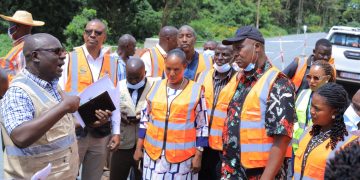
The appeal was made during a three-day joint inspection exercise of government-funded projects across the district. The monitoring team comprised district leaders, technical officers, civil servants, and education stakeholders who assessed the progress and quality of various development projects.
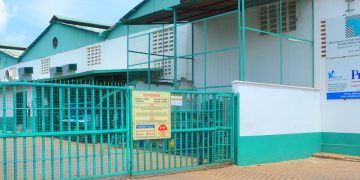
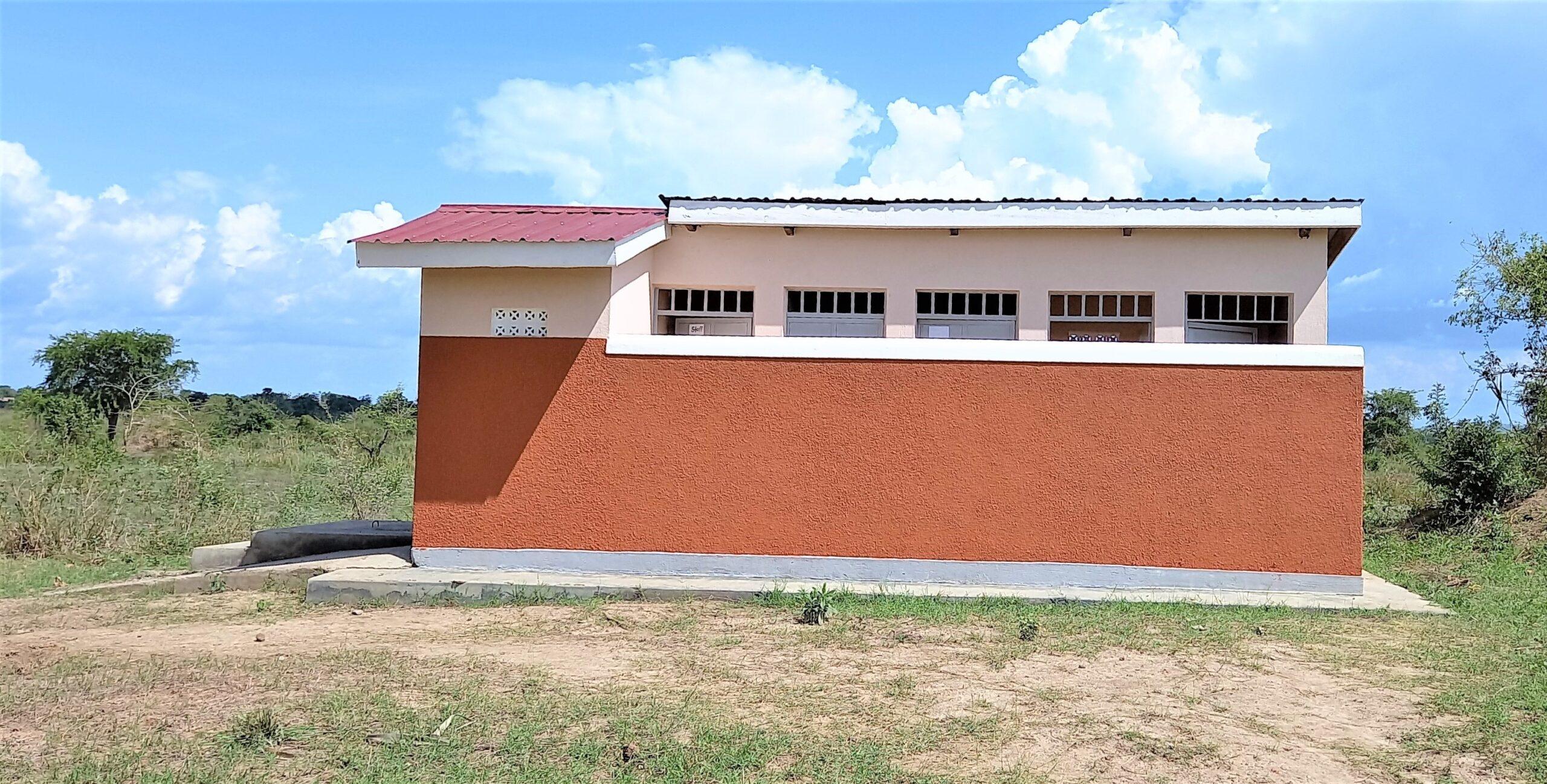
The exercise commenced at the Kalungu District Headquarters, where officials inspected a newly constructed pit latrine worth more than UGX 34 million and a refurbished district council hall fitted with a modern ceiling and sound system at a cost exceeding UGX 70 million.
The team later toured several education projects, including a newly constructed science laboratory block at Kabukunge Muslim Secondary School valued at UGX 384 million. They also inspected newly built institutional toilet facilities at St. Paul Kyamusoke Primary School, Kitabyama Primary School, and Lugeye Muslim Primary School.
Speaking during the inspection, Kalungu District Chief Administrative Officer, Charles Owuma, said most of the projects visited were more than 90 percent complete. He directed contractors to address all outstanding defects before the official handover scheduled for next week.
Owuma warned that no final payments would be made until district technical teams fully certify that the works meet the required standards.
Kalungu District LC V Chairperson, Kamaadi Nyombi Mukiibi, commended the progress registered under the government-funded projects but raised concern over the growing challenge of student hunger in schools.
According to Mukiibi, many learners attend classes without meals, while others rely on cold leftovers carried from home, a situation he said negatively affects concentration and academic performance.
He called upon parents and guardians to actively support school feeding programmes to improve learners’ welfare and educational outcomes.
Despite welcoming the ongoing infrastructure improvements, head teachers said several critical challenges remain unresolved.
They noted that sanitation facilities in many schools are still inadequate, with some institutions forcing teachers and pupils to share the same pit latrines due to limited space and insufficient facilities.
The educators also expressed concern about the state of science education, revealing that many schools lack fully equipped laboratories and essential apparatus needed to effectively teach practical science subjects, which are now compulsory under the national curriculum.
The district leadership pledged to forward the concerns to the Ministry of Education and Sports for consideration during the next budgeting cycle, with the aim of securing additional funding for school infrastructure and science education facilities.