














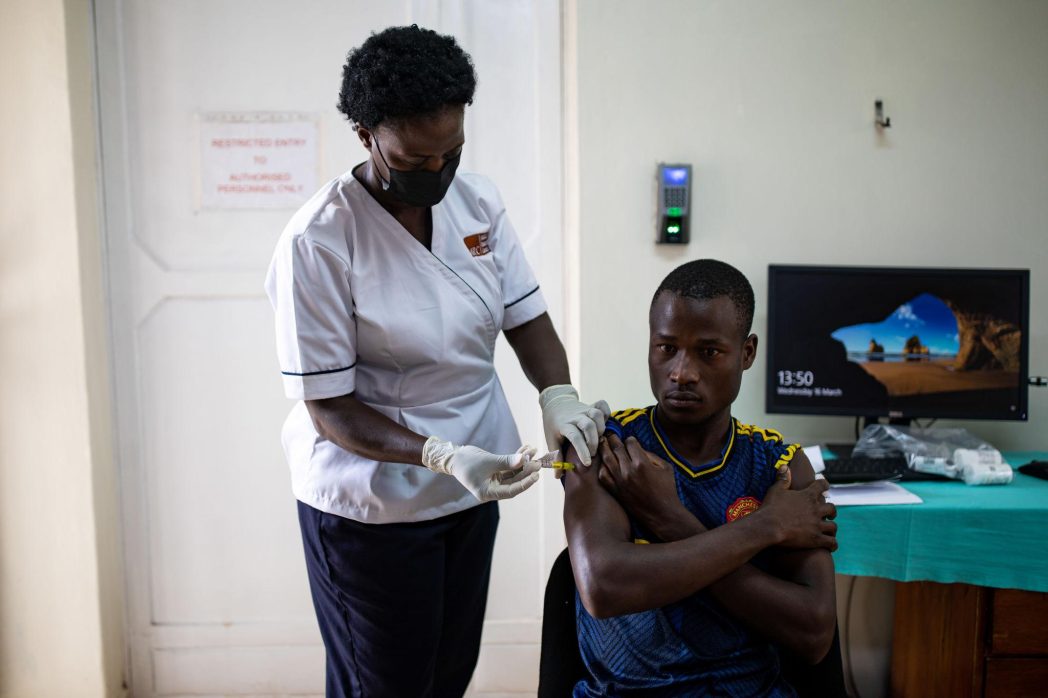
As Uganda rolls out Lenacapavir, a groundbreaking twice-yearly HIV prevention injection, health officials in Masaka are battling a wave of misinformation after some men raised unfounded fears that the drug could impair sexual performance.
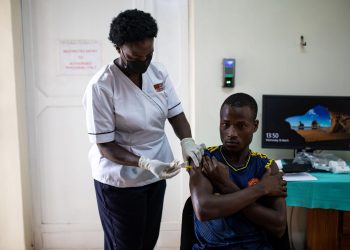
Lenacapavir, a long-acting injectable form of pre-exposure prophylaxis (PrEP), is administered every six months to HIV-negative individuals to protect them against HIV infection. The drug is being introduced as a major milestone in Uganda’s efforts to reduce new HIV infections and achieve epidemic control.
However, in parts of Greater Masaka—one of Uganda’s high HIV-burden regions—some potential beneficiaries are discouraging others from taking the injection, claiming it weakens a man’s sexual ability and diminishes his masculinity.
The claims, which have no scientific basis, are spreading within communities and fueling misconceptions about the new HIV prevention option.
Robert Bbosa, the Regional Prevention Coordinator at the Infectious Diseases Institute (IDI), says health workers and implementing partners have launched a campaign to counter the misinformation before it undermines uptake of the intervention.
According to Bbosa, IDI and its partners are conducting orientation sessions for health workers, Village Health Teams (VHTs), and civil society organizations to equip them with accurate information that can help communities distinguish facts from myths.
“We are encouraging health workers to provide health education talks to clients attending ART clinics so they can understand the facts about this new prevention intervention,” he said. “The rumour that Lenacapavir weakens a man’s sexual performance is entirely false and is not among the known side effects of the drug.”
Bbosa added that health teams are also being advised not to portray Lenacapavir as the ultimate solution to HIV prevention, especially since Uganda has not yet received sufficient quantities to meet potential demand.
“The public should continue using other available HIV prevention methods because they remain effective,” he noted.
In March this year, Uganda received its first consignment of 19,200 doses of Lenacapavir, donated by the Global Fund.
Dr. Faith Nakiyimba, the Masaka District Health Officer, said health facilities remain well stocked with other HIV prevention commodities to ensure that limited access to Lenacapavir does not slow the country’s goal of ending AIDS as a public health threat by 2030.
Greater Masaka has previously witnessed the spread of health-related misconceptions despite scientific evidence to the contrary. In the early 2000s, thousands of people were conned out of millions of shillings by a self-styled herbalist in Sembabule District who falsely claimed to cure HIV.
Similarly, the Safe Male Circumcision programme faced resistance in Kalangala and Rakai districts after rumours circulated that removed foreskins were being sold for the manufacture of jelly, claims that health authorities repeatedly dismissed as baseless.
Health experts say overcoming such myths will be crucial if Uganda is to maximize the benefits of new HIV prevention technologies and sustain progress in the fight against the epidemic.