
























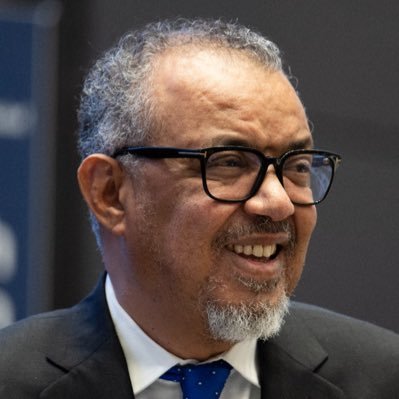
The Director-General of the World Health Organization (WHO), Tedros Adhanom Ghebreyesus, has commended Uganda for its prompt and effective response to the ongoing Ebola outbreak, describing the country’s actions as a demonstration of strong public health systems and effective regional cooperation.
In a statement shared on his X account during his visit to Uganda, Dr. Tedros praised the measures undertaken by Ugandan authorities to contain the spread of the disease. He noted that screening at border entry points has played a critical role in identifying cases arriving from the neighbouring Democratic Republic of the Congo (DRC), while the country’s surveillance, testing, and case management systems continue to function effectively.
Dr Tedros held a meeting with the Ministry of Health senior technical team led by Permanent Secretary, Dr Diana Atwine and Director General Health Services, Charles Olaro to understand the Ebola situation in the country.
According to Ministry of Health, Uganda has so far recorded 19 confirmed Ebola cases. Of these, 14 involved individuals who entered the country from the DRC, while five were Ugandan nationals.
Dr. Tedros expressed sympathy for the families of those who lost their lives to the disease, noting that two people from the DRC had succumbed to the outbreak.
He further highlighted the support being provided by the World Health Organization, working alongside the Africa Centres for Disease Control and Prevention (Africa CDC) and other regional partners, as Uganda leads efforts to contain the outbreak.
”With continued collaboration, I am confident this outbreak can be brought under control,” Dr. Tedros said
The Permanent Secretary of Ministry of health Dr Diana Atwine noted that Uganda is supporting the fight against the outbreak in DRC by deploying health workers and setting up 50 bed treatment units, this week. She added that two mobile laboratories have already been set up in Bwera and Arua to support DRC testing and diagnostics.
Health officials remain optimistic that sustained vigilance, strong cross-border coordination, and continued support from international partners will help bring the outbreak under control and prevent further transmission.