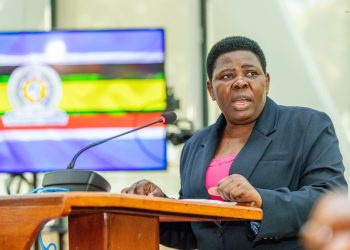























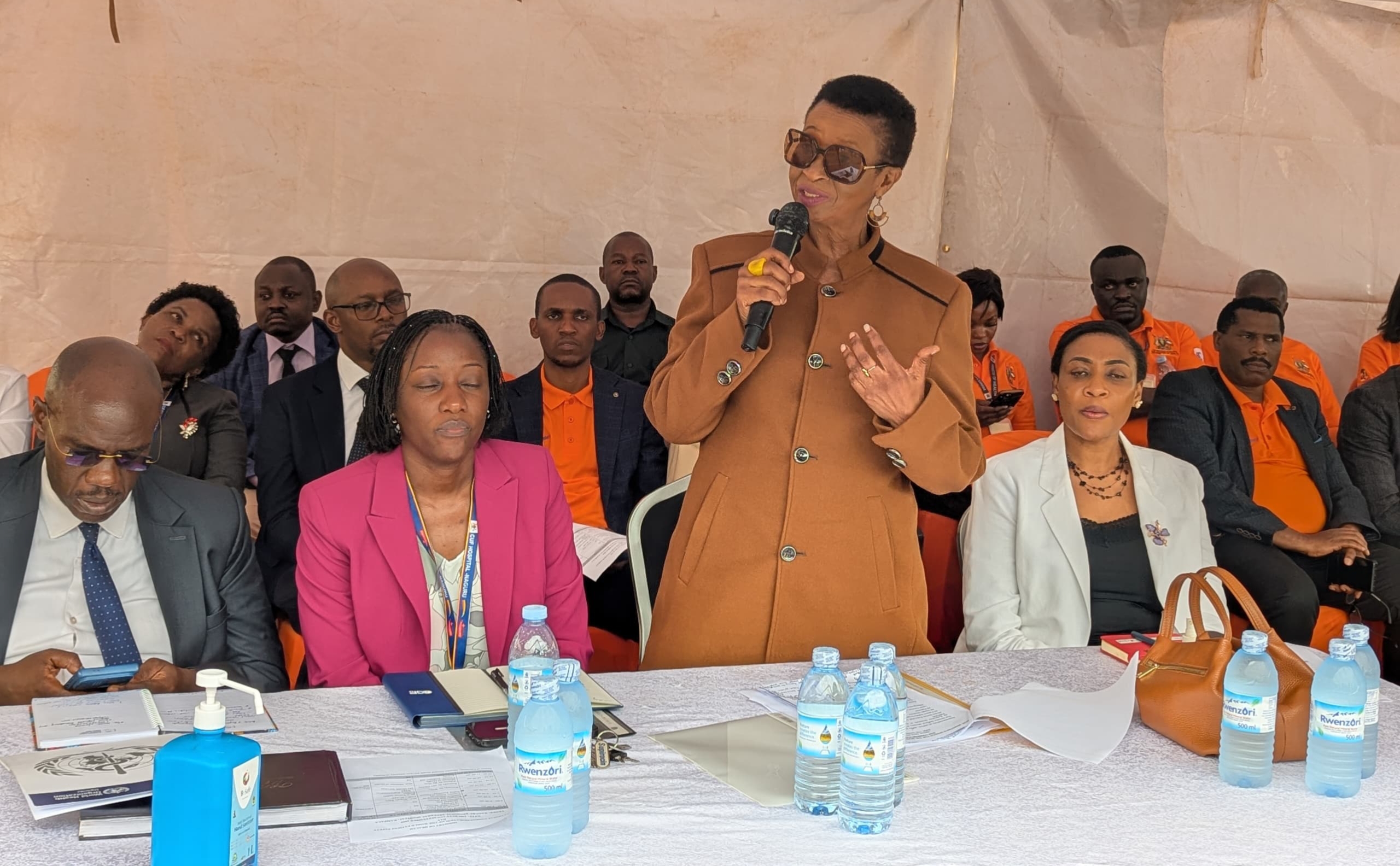
KAMPALA — Early diagnosis is critical to preventing avoidable harm and ensuring patients receive timely and appropriate treatment, Minister of State for Health in Charge of General Duties Anifa Kawooya has said.
Kawooya said delays in diagnosing diseases can leave patients seeking treatment when their conditions have already advanced, making treatment more difficult and increasing the risk of poor outcomes.
She made the remarks during activities to mark World Patient Safety Day at China-Uganda Friendship Hospital Naguru, where she commissioned a radiology department.
Kawooya described diagnostic services as a key measure of the quality of a health facility, saying patients cannot receive appropriate treatment and follow-up without accurate and timely diagnosis.
“Diagnostic is one of the issues that measures the standard of a health centre. This is our starting point,” Kawooya said.
She urged Ugandans to seek medical attention as soon as they develop symptoms, particularly those that could indicate serious conditions such as cancer.
Kawooya also called on the public to take greater responsibility for preventing non-communicable diseases through regular physical activity, balanced diets and reducing excessive alcohol consumption.
She said patient safety should not be left entirely to health workers, arguing that patients also have a role to play by seeking care early and following medical advice.
Uganda joined countries around the world on September 17 to commemorate World Patient Safety Day, which this year focused on “Safe care for non communicable diseases” under the slogan “Safe care for life!”
The World Health Organization says people living with non-communicable diseases face increased safety risks because they often require long-term and repeated interaction with health services.
The risks can occur at different stages of care, including prevention, screening, diagnosis, treatment, long-term management and self-care. They include diagnostic delays, medication errors, healthcare-associated infections and unsafe use of medical devices.
The WHO estimates that one in every 10 patients is harmed during healthcare, with about half of this harm considered preventable.
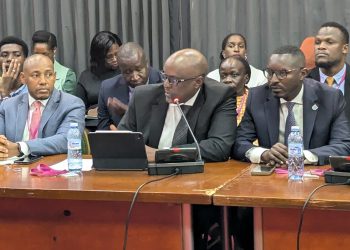
Doctor Irene Naiga, Senior Consultant at China-Uganda Friendship Hospital Naguru, said improving patient safety requires teamwork, effective communication and careful attention to patients’ concerns.
She said health workers should remember that every patient represents a family and community that has placed its trust in the healthcare system.
“Because behind every patient is a person, a family, and a community that trusts us,” Naiga said.
She urged health workers to treat patient safety as a responsibility rather than a privilege.
“Safe care is not a privilege, it’s a responsibility,” she said.
The Ministry of Health has identified prevention, early detection, accurate diagnosis and effective management as important components of safer care as Uganda faces a growing burden of non-communicable diseases, including hypertension, diabetes and cancer.
The WHO is also calling for patients and people living with NCDs to become active partners in their care, while health workers, health facilities and policymakers strengthen systems that support safe diagnosis, treatment and long-term management.
World Patient Safety Day was established by the World Health Assembly in 2019 and is observed every September 17 to raise awareness and promote action to reduce avoidable harm in healthcare.