
















The Uganda National Examinations Board (UNEB) has warned schools against fraudulently registering privately funded learners as Universal Primary Education (UPE) candidates, saying culprits risk penalties and withheld results.
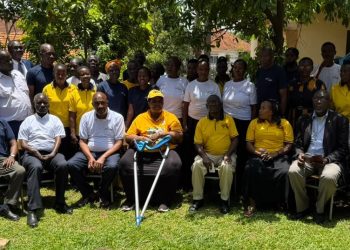
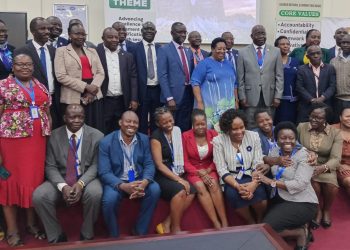
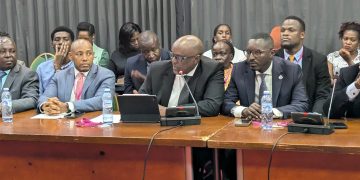
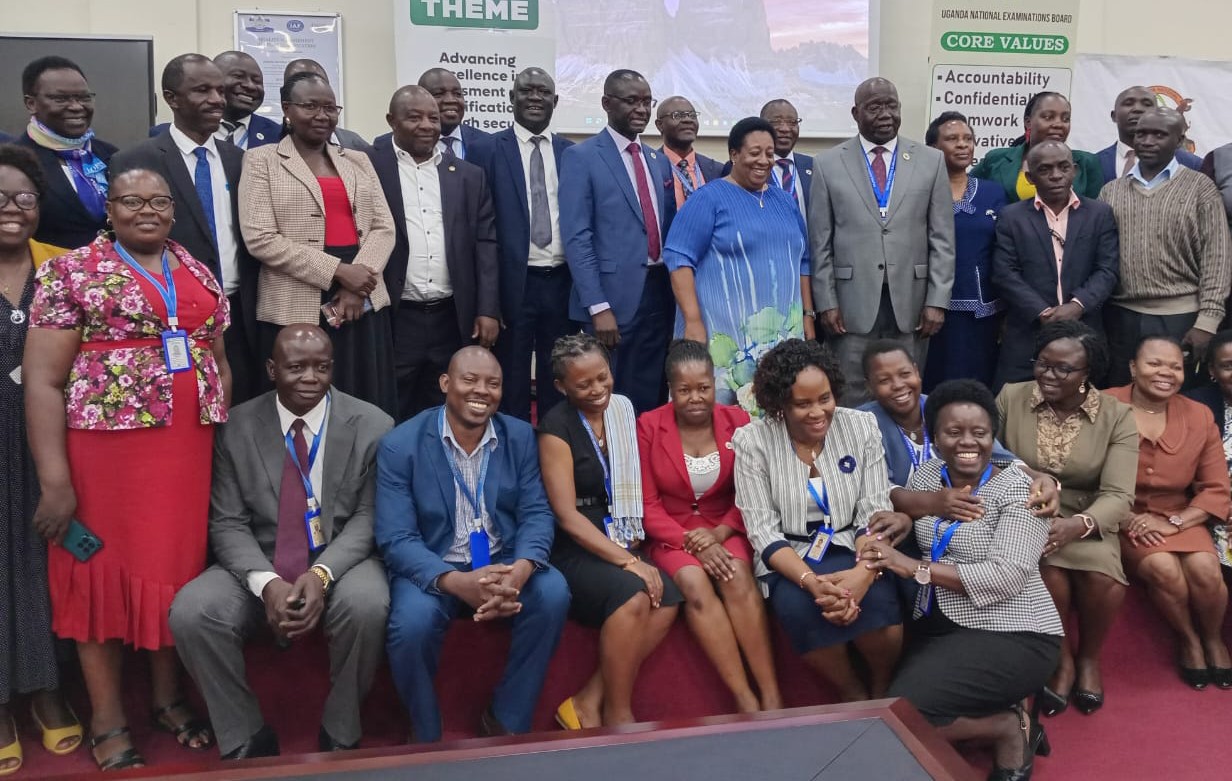
UNEB Executive Director Dan Odongo issued the warning during an annual seminar for District, Municipal and City Inspectors of Schools on management of the Primary Leaving Examination (PLE) at the UNEB Centre in Kyambogo.
Odongo said learners wrongly registered under UPE would still sit the examinations, but the schools responsible would be required to pay the examination fees due to UNEB.
Failure to clear the fees could lead to candidates’ results being withheld.
“This is fraudulent. It is also covered in the UNEB Act, and we expect some of these cases to be subjected to the full force of the law,” Odongo said.
He said UNEB had found cases where private schools registered learners as UPE candidates even after parents had paid examination fees of about Shs34,000.
Odongo also warned head teachers, invigilators, examination officials and education officers against facilitating examination malpractice, saying some invigilators were allowing unauthorised people into examination rooms or assisting candidates.
“The fight is not yet over. Malpractice is a crime, and like all other crimes of corruption and fraud, the fight has to be continuous,” he said.
He urged district inspectors to deploy trained and credible personnel and ensure proper seating to reduce candidate collusion.
Some schools, Odongo revealed, have already lost their examination-centre status after being implicated in malpractice. UNEB’s Examination Security Committee can suspend a school from hosting national examinations for between one and five years, depending on the seriousness of the offence.
Odongo also questioned examination-material distribution, saying some distributors assigned separate routes were travelling together in the same vehicle. He said the practice increases costs and described it as bordering on fraud.
On examination costs, Odongo said UNEB was reviewing payments to markers. He noted that examination fees were last revised in 2017 and said the Board had asked the Ministry of Finance for additional funding, although he could not confirm whether fees would increase.
With possible heavy rains expected, Odongo urged districts to prepare contingency plans for transporting examination materials and candidates. He cited flooding, damaged bridges and landslides as disruptions.
France Atima the Principal Inspector of Schools, representing Minister of State for Education John Chrysestom Muyingo, urged inspectors to enforce school regulations.
Atima cautioned schools against keeping learners in class late for examination preparation, saying children should generally leave school at around 4:30pm. She said learners, including girls, travelling home after 7pm faced security risks.
She directed inspectors to intensify checks on examination rooms, candidate identities, seating, special-needs facilities and examination officials.
Atima urged inspectors to monitor continuous assessment to prevent manipulation or inflation of learners’ scores.
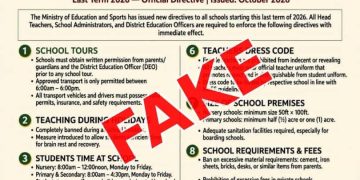
Odongo said UNEB would continue working with districts and stakeholders to ensure the 2026 examinations are secure, while providing accurate information as fake examination materials circulate on social media.