


























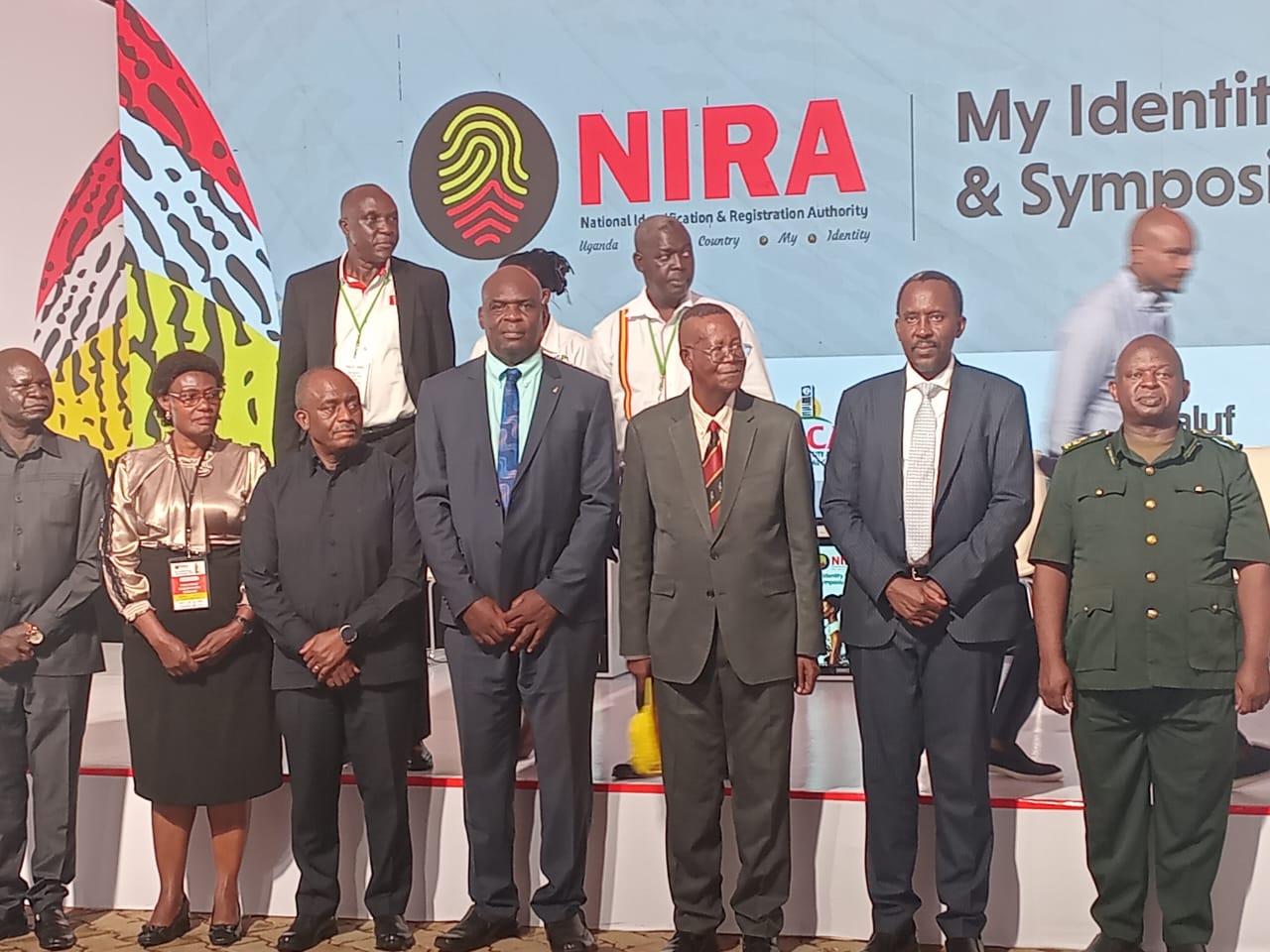
The National Identification and Registration Authority (NIRA) has begun integrating Tax Identification Numbers (TINs) with National Identification Numbers (NINs) in a move aimed at improving taxpayer identification and strengthening domestic revenue collection.
The integration was unveiled during the inaugural My Identity Expo and Symposium 2026 at the Kololo Independence Grounds in Kampala, which brought together government agencies, financial institutions, telecommunications companies and members of the public.
NIRA Registrar Olama Claire said the expo was intended to bring identity-related services closer to the public while providing a platform for stakeholders to discuss challenges and developments in Uganda’s identification system.
Olama said NIRA has so far registered 36.2 million Ugandans and issued them NINs, although millions of people are yet to be enrolled.
The expo brought together institutions including the Uganda Revenue Authority (URA), National Social Security Fund (NSSF), MTN, Equity Bank and DFCU Bank, enabling members of the public to access a range of services under one roof.
Olama said the services included issuance of birth and death certificates, registration of marriages and processing of alien identification cards.
She said NIRA was also working to reduce the time taken to process identity-related services, with applicants at the expo expected to receive feedback within three days where possible.
URA Commissioner General John R. Musinguzi said linking TINs to the national identification system would help address weaknesses in the existing taxpayer registration system.
Musinguzi said some individuals had been able to obtain multiple TINs, making it difficult for URA to establish a single and reliable identity for each taxpayer.
He also cited cases in which taxpayers’ TIN information or accounts had allegedly been accessed without their knowledge.
Musinguzi said integrating the tax system with NIRA’s biometric identification system would enable government to establish more accurately who is paying taxes and improve revenue mobilisation.
“This transition is now one of the highlights of the improvement in our revenue mobilisation strategy,” he said.
Uganda is seeking to raise its tax-to-GDP ratio from about 14 per cent to at least 20 per cent over the next three years, with improved taxpayer identification expected to contribute to the target.
The Minister of Internal Affairs, Prof. Kamuntu, meanwhile, challenged NIRA officials to address corruption and other weaknesses within the authority.
“Put your house in order,” Kamuntu told NIRA officials, warning that government would continue investigating and prosecuting corruption in public institutions.
He said a reliable national identification system was critical to national security, governance and economic development because it enables citizens to access services including banking, education, healthcare, driving licences and passports.
Kamuntu said accurate identity records also enable government to plan effectively, allocate resources, enforce laws and manage the country’s borders.
He urged Ugandans to register births, marriages and deaths promptly to ensure that the national register remains accurate and up to date.
“There is nobody who should not be identified. Nobody,” he said.
Kamuntu also called on NIRA to expand its operations and embrace technologies such as artificial intelligence, forensic services and CCTV systems to strengthen its work.
The My Identity Expo and Symposium is expected to become a regular platform for government agencies, private-sector institutions and the public to engage on identification services, emerging technologies and challenges affecting the national identification system.