










Uganda’s growing education gaps, youth unemployment and persistent regional poverty have come under scrutiny as Parliament moves to push the government to redirect resources towards communities struggling to access essential services.
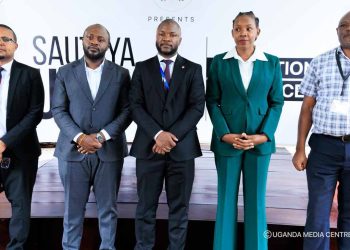
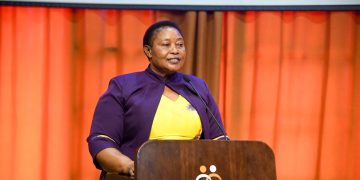
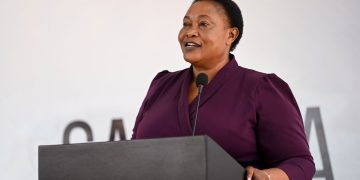
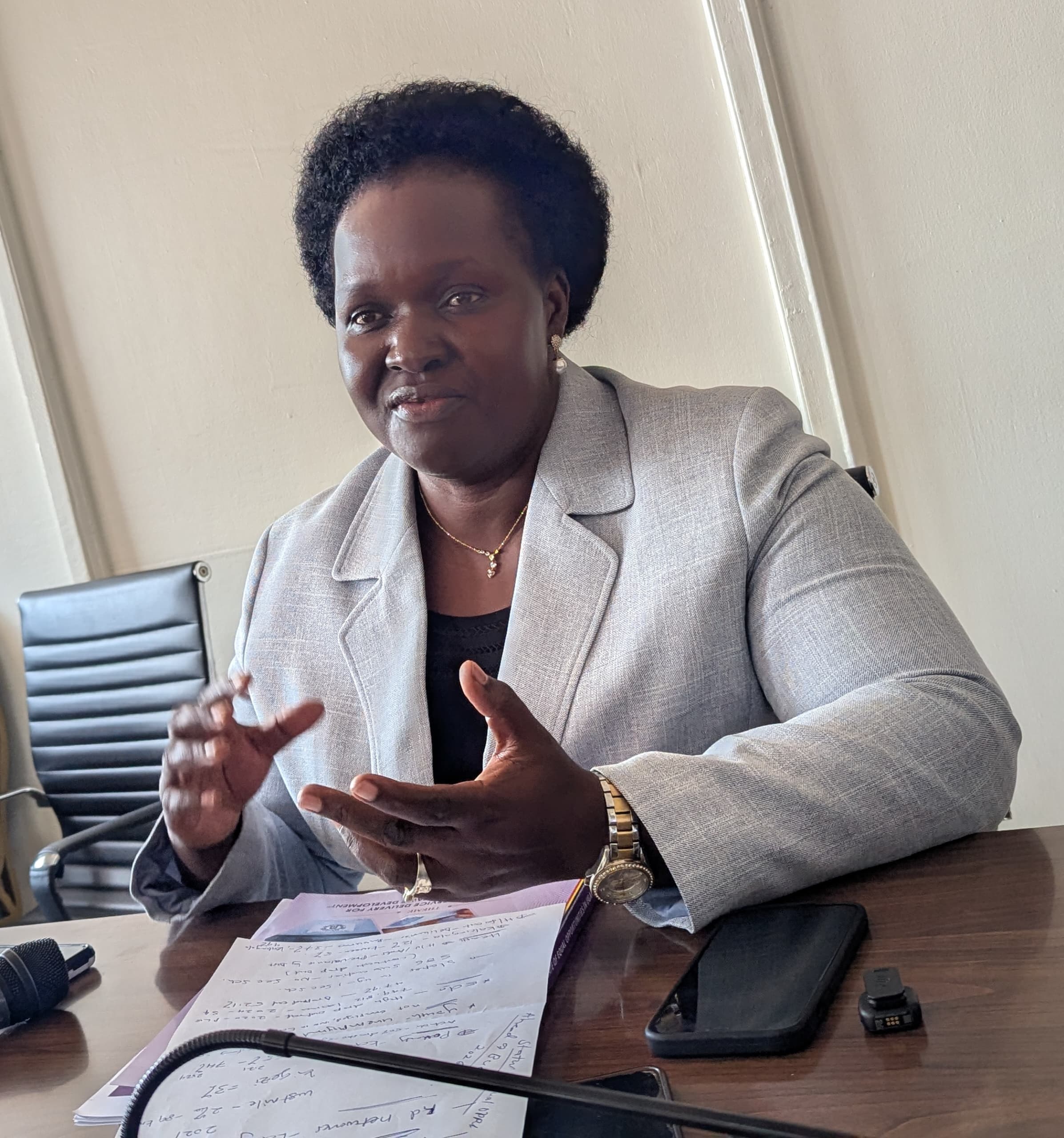
Catherine Lamwaka, chairperson of Parliament’s Committee on Equal Opportunities, said the findings in the Equal Opportunities Commission’s 12th annual report on the state of equal opportunities in Uganda for 2024/2025 would guide the committee’s engagement with ministries ahead of the next national budgeting cycle.
The report highlights disparities in education, employment, literacy, poverty and healthcare, raising questions about whether government resources are reaching the communities and groups that need them most.
“We are looking at inequality in resource allocation, access to government services and service delivery. We want to inform government so that it realigns the next budget to close these gaps,” Lamwaka said after receiving the report.
She said the committee would engage relevant ministries to explain the interventions they are implementing and how they intend to address the gaps identified.
One of the most concerning findings relates to children dropping out of school before completing secondary education.
Lamwaka said 749,812 pupils sat the Primary Leaving Examination (PLE) in 2020, but only 47.9 per cent of that cohort sat the Uganda Certificate of Education (UCE) examinations in 2024.
This means 52.1 per cent were not accounted for among the candidates who sat UCE examinations that year, raising concerns about the barriers preventing children from progressing through the education system.
The report also indicates that 586 sub-counties across the country do not have a secondary school, despite government policy providing for every sub-county to have one.
Lamwaka said the committee would engage the Ministry of Education and Sports to explain the gaps and identify measures to improve access to secondary education.
She argued that the absence of secondary schools in some communities could make it difficult for children to continue their studies, particularly where families struggle to meet the costs of transport and other school requirements.
The committee wants the government to prioritise the construction of secondary schools in underserved sub-counties to reduce school dropout rates.
The report also raises concerns about youth unemployment, with Lamwaka citing figures indicating that 50.9 per cent of Ugandans aged between 18 and 30 are not in employment, education or training.
She warned that leaving such a large proportion of young people without jobs, education or practical skills could have serious social consequences, including contributing to crime.
“If young people are not skilled, they are not in school and they are not in employment, where are they?” she asked.
The committee plans to engage the Ministry of Gender, Labour and Social Development on measures to address youth unemployment and expand opportunities for skills development.
Regional inequalities also feature prominently in the report, with Karamoja identified as one of the areas facing severe challenges.
Lamwaka cited a literacy rate of 25.4 per cent in Karamoja and said poverty in the sub-region had increased from 65 per cent in 2021 to 74 per cent in 2024.
She said the figures highlighted the need for targeted government interventions and budget allocations to improve literacy, livelihoods and access to essential services in the region.
However, Lamwaka questioned statistics showing a sharp decline in poverty in the Acholi sub-region, saying the figures appeared inconsistent with the economic conditions experienced by many households.
She cited figures indicating that poverty in Acholi had dropped from 67.7 per cent in 2021 to 20.5 per cent in 2024, a reduction of 47.2 percentage points in three years.
The lawmaker questioned how such a significant improvement could have occurred when many households continued to depend on subsistence farming.
According to Lamwaka, about half of households in Acholi were still engaged in subsistence agriculture, producing mainly for their own consumption rather than for sale.
She said the committee would engage the Uganda Bureau of Statistics to understand how the figures were calculated and establish whether they accurately reflected conditions on the ground.
“If you look at the lives of the people, everything seems to be the same. How does that correlate with the drastic drop in poverty?” she asked.
The report also highlights disparities in health outcomes, including HIV prevalence. Lamwaka singled out Kalangala District as having the highest HIV prevalence, calling for government to prioritise resources towards areas facing a greater disease burden.
She said the committee would examine how funding could be directed towards improving health service delivery and reducing inequalities among districts and population groups.
Lamwaka also linked the challenges facing Uganda’s education sector to inadequate government funding, weighing in on the controversy surrounding the arrest of teachers over additional fees charged to parents.
She said the report indicates that government provides Shs54,000 per child in capitation grants to government schools, despite the estimated cost of educating a child rising from Shs1.5 million in 2020 to Shs2.2 million in 2024.
She argued that the gap between the government allocation and the cost of education puts pressure on schools to seek additional contributions from parents to meet operational expenses.
Lamwaka said increasing capitation grants would enable schools to meet learners’ needs, improve their welfare and provide a better learning environment.
“The best solution would be for government to address the gap by increasing capitation grants to schools so that schools are able to take care of students and manage their welfare and education properly,” she said.
She questioned the contradiction between education policies that allow schools to collect certain fees and the arrest of teachers over additional charges, arguing that the government should address the underlying funding challenges.
Meanwhile, Patrick Obura, the Member of Parliament representing Oyam South, backed the government’s anti-corruption drive, saying the misuse of public funds undermines service delivery.
Obura said money lost through corruption could have been used to construct schools, recruit teachers and improve essential public services.
“Corruption is a leakage in the system. Where there is leakage, there must be efforts to reduce that leakage,” he said.
He added that he supported the government’s efforts to fight corruption as long as established laws and procedures were followed.
Lamwaka said the committee would use its engagement with ministries to identify the interventions and funding required to address the inequalities highlighted in the report and present its findings to Parliament.
She said the objective was to ensure that government programmes benefit all Ugandans, regardless of their region, gender, age or disability status.
“Nobody should be left behind. We should all contribute to the country’s development,” she said.