












Uganda’s annual capitation grant of Shs20,000 per primary school pupil is inadequate to support quality education, civil society organisations have warned, calling for increased government investment to address poor learning outcomes and persistent inequalities in schools.
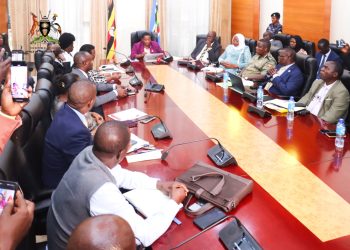
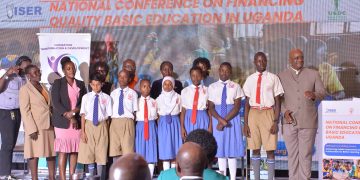
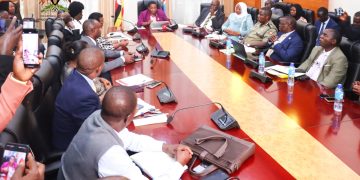
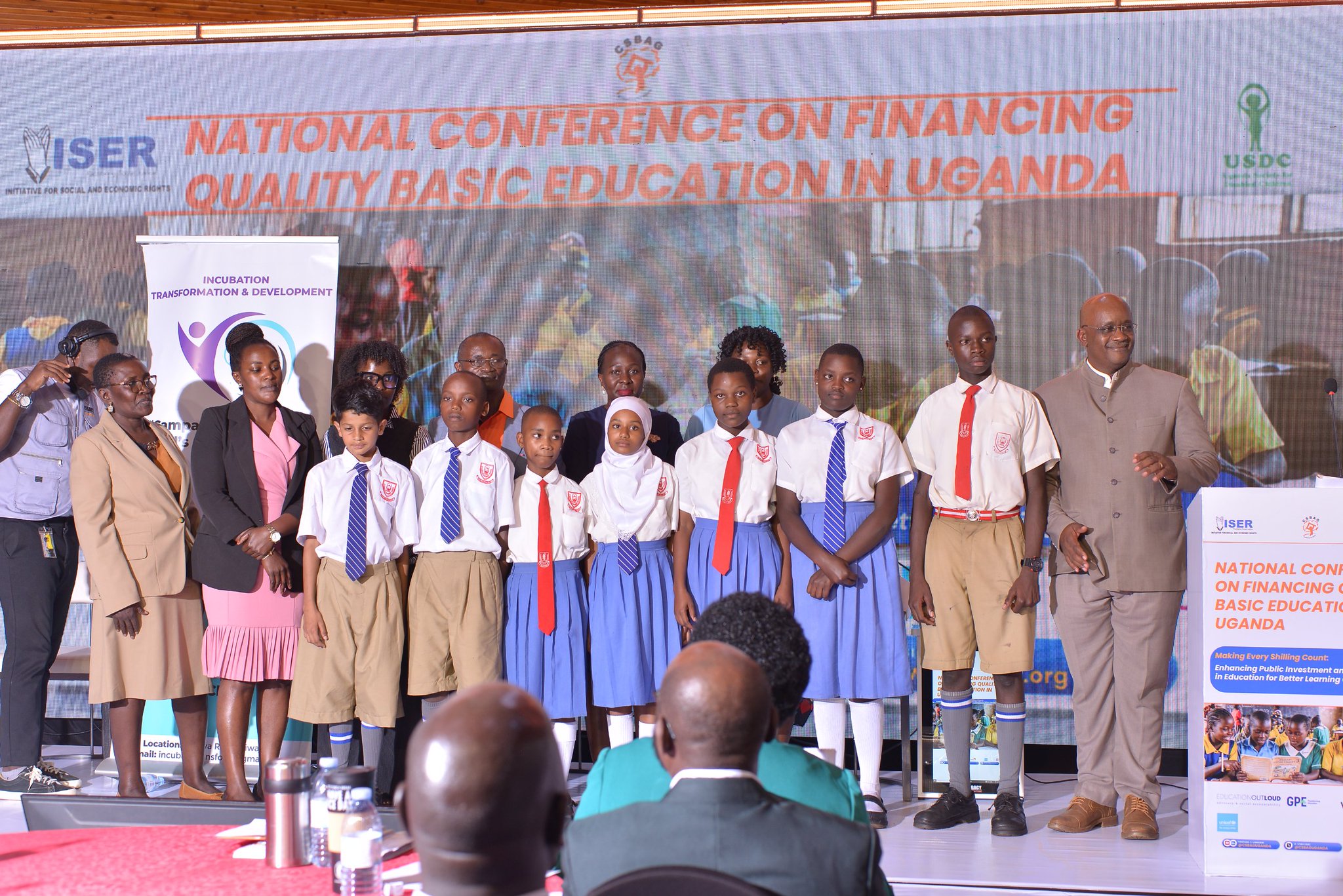
The concerns emerged during the National Conference on Financing Quality Basic Education in Uganda, where education stakeholders challenged government to increase funding, improve resource allocation and strengthen accountability in the management of public education funds.
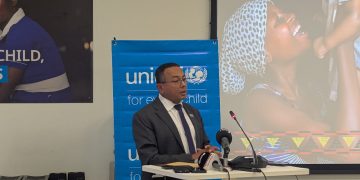
Julius Mukunda, Executive Director of the Civil Society Budget Advocacy Group (CSBAG), said the current allocation translates into approximately Shs55 per pupil per day, an amount he argued could not meet the basic requirements for quality learning.
“Fifty-five shillings a day cannot buy quality education,” Mukunda said, urging government to progressively raise the capitation grant towards Shs59,000 per pupil.
He said inadequate financing was contributing to challenges across the education system, including poor foundational literacy, high dropout rates and limited access to inclusive education.
Mukunda revealed that at least 70 per cent of primary school learners reportedly struggle with adequate writing skills, while only about 60 per cent of children who enrol in Primary One make it to Primary Seven.
He also highlighted the exclusion of children with disabilities, noting that an estimated 8 to 16 per cent of school-age children have special needs, yet only about two per cent are enrolled as learners with special needs.
Children with disabilities are twice as likely to be out of school, with only 34 per cent completing primary education compared to 53 per cent of children without disabilities, he added.
Mukunda called for increased investment in early-grade literacy, teacher recruitment, classroom construction and school feeding, saying these interventions were critical to improving learning outcomes.
He also urged government to strengthen inclusive education through a costed policy, special grants for districts, assistive devices and specialised teacher training.
Richard Mwebaza, Chief Legal Officer of the Uganda National Teachers’ Union (UNATU), also questioned the adequacy of the Shs20,000 annual allocation, saying it was far below the estimated Shs59,000 or more required per pupil.
Mwebaza noted that some schools in certain districts receive even less, further widening the funding gap and making it difficult for schools to meet their operational and learning needs.
Maxwell Odongo, Senior Planner in charge of Education at the National Planning Authority, proposed increasing the primary school capitation grant from Shs20,000 to Shs63,546 by 2030.
Delivering a keynote address on behalf of the NPA Executive Director, Odongo also called for education spending to gradually rise towards 20 per cent of the national budget.
He said additional resources should prioritise remote communities and refugee-hosting districts, where education infrastructure and learning outcomes face greater challenges.
Odongo further called for timely release of funds, increased teacher recruitment and improved remuneration, alongside a functional Education Management Information System to track education resources and ensure they reach intended beneficiaries.
Meanwhile, Lillian Nabasirye, a board member of the Initiative for Social and Economic Rights (ISER), said increased budget allocations alone would not guarantee quality education unless resources translated into better learning conditions.
She noted that allocations to Education, Sports and Skills Development had risen from Shs4.379 trillion in the 2023/24 financial year to Shs6.588 trillion in 2026/27, representing approximately 50.4 per cent growth.
However, she said the increase must be considered against rising enrolment, population growth and the actual cost of delivering quality education.
Closing the conference, Richard Olong, a programme manager representing the Global Partnership for Education, called for a clear year-by-year financing plan to increase education spending towards the international benchmarks of 15 per cent of the national budget and four per cent of GDP.
He noted that Kenya allocates about 16.6 per cent of its national budget to education, compared to Uganda’s less than eight per cent.
Olong urged stakeholders to ensure conference commitments translate into increased funding, timely releases and improved conditions in classrooms.