







The Kampala Capital City Authority (KCCA) has pledged to clear garbage from communities within three days after the fifth National Cleaning Day, in a move aimed at addressing delays that have left waste piling up on city streets following previous cleaning exercises.
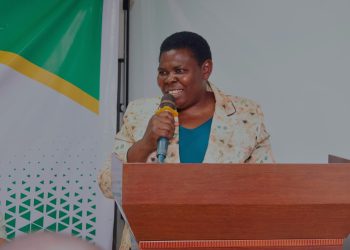
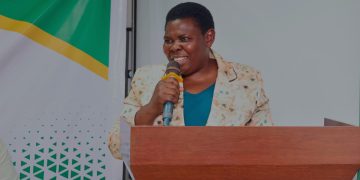
KCCA Executive Director Sharifa Buzeki said the authority would deploy additional garbage collection trucks, working alongside private waste collectors, to ensure that waste generated during the exercise is promptly evacuated.
Buzeki said the authority had reduced the waste collection period from nearly four weeks during the first cleaning exercise to about 10 days during the most recent one, but was now targeting a maximum of three days.
She urged residents to cooperate by adopting the ‘bring-to-truck’ approach rather than dumping collected garbage along roads and other public spaces.
The commitment comes ahead of the fifth National Cleaning Day scheduled for Saturday, November 28, 2026, from 7am to 10am, with the main national event expected to take place in Kalerwe, Kawempe Division, Kampala.
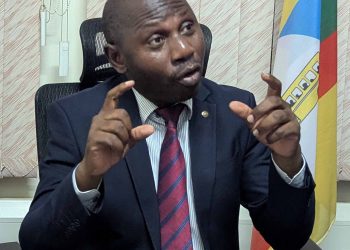
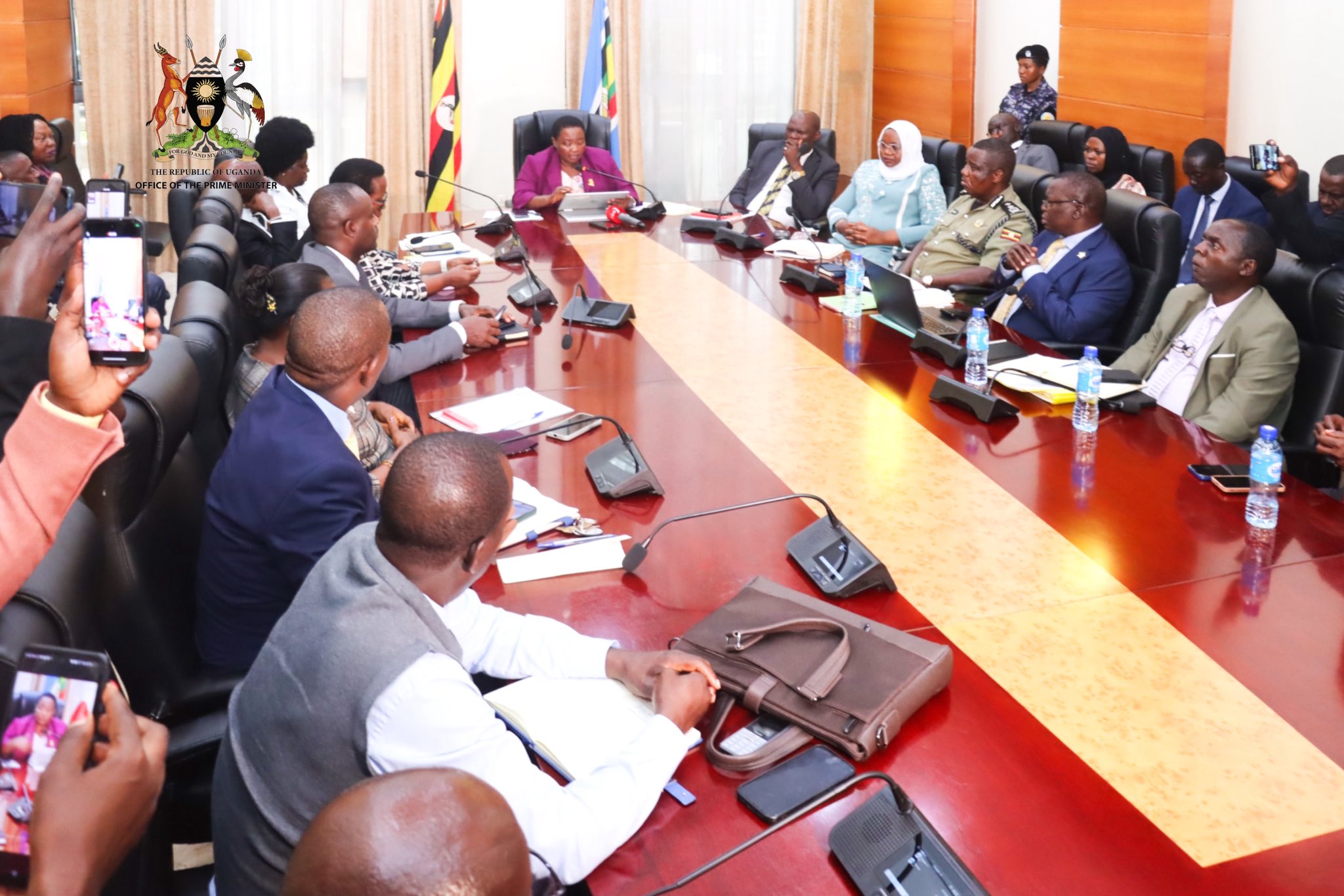
Prime Minister Robinah Nabbanja said the exercise is part of government’s efforts to make environmental cleanliness a shared national responsibility, calling on Ugandans to participate in cleaning markets, roads, schools, health facilities and drainage channels.
She said four national cleaning exercises had already been conducted in Kampala, Kira Municipality, Hoima City and Lira City, with government citing increased public awareness, community participation and improved waste sorting as some of the achievements.
However, Nabbanja identified poor waste disposal practices and inadequate mobilisation as areas requiring improvement, urging local governments to provide sufficient waste collection facilities and work with partners to improve garbage evacuation.
Nabbanja also announced that government is preparing to recognise and reward the best-performing cities, districts, municipalities, town councils, sub-counties, parishes, villages and institutions in maintaining sanitation standards.
She said her office was working with relevant ministries, departments, agencies and local governments to develop assessment criteria, inspection guidelines and independent verification arrangements to guide the awards.
The assessments will consider cleanliness of public spaces, waste collection and disposal, drainage maintenance, recycling, waste sorting, enforcement of sanitation rules and community participation.
The Ministry of Health Permanent Secretary, Dr Diana Atwine, called for a change in household waste management practices, warning that mixing different categories of waste exposes garbage collectors and sorting workers to health risks.
Atwine also challenged men to take a more active role in community cleaning, saying previous exercises had revealed that many men remained indoors while women and children participated in the activities.
She encouraged households to separate recyclable materials, particularly plastics, from other waste, noting that these could be sold to recycling companies instead of being mixed with decomposable waste.
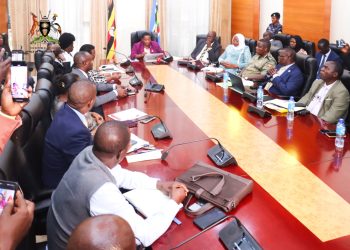
The State Minister for Kampala, Kabuye Kyofatogabye, also called on political and technical leaders in the Greater Kampala Metropolitan Area to prepare early, particularly for the evacuation of garbage after the exercise.
Meanwhile, the Minister of Energy and Mineral Development, Dr Monica Musenero, announced that her ministry and affiliated agencies would adopt Busia District as their cleaning venue
She said the exercise would also provide an opportunity to address concerns over unsafe mining practices in the district, which serves as an important trade gateway between Uganda and Kenya.
The three-hour exercise will involve restrictions on the movement of vehicles, motorcycles, bicycles and pedestrians, with exemptions for essential services and other specified categories.