




















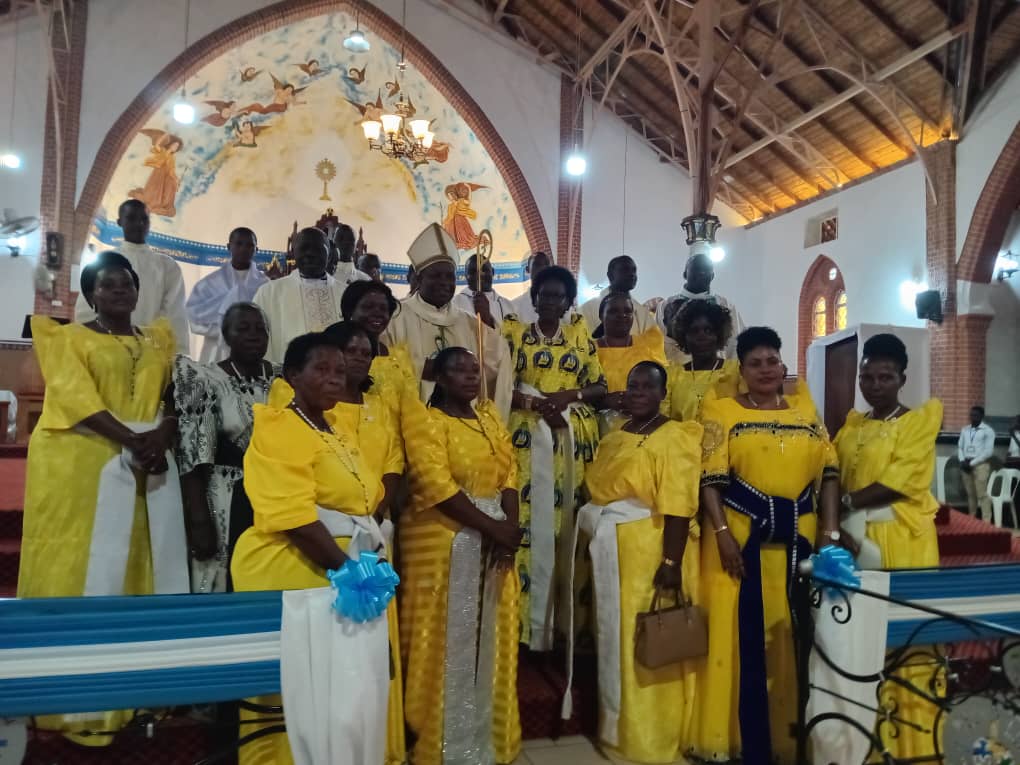
Women in Masaka Diocese have been urged to give equal attention to raising both boys and girls, with emphasis on nurturing boys into responsible, hardworking and God-fearing men capable of building peaceful and prosperous families.
The call was made during celebrations of the Feast of the Assumption of the Blessed Virgin Mary, which also coincided with the Masaka Diocese Women’s Day celebrations. The main ceremony was held at Masaka Cathedral, where a Holy Mass was led by the Bishop of Masaka Diocese, the Rt. Rev. Serverus Jjumba.
In his homily, Bishop Jjumba cautioned parents against giving disproportionate attention to girl children while neglecting boys. He said such an imbalance in parenting was contributing to challenges in families and society, particularly when boys grow into men without receiving the guidance and care needed to prepare them for responsible adulthood and marriage.
The Bishop stressed that both boys and girls deserve equal care, education, discipline, affection and opportunities to develop their talents.
He illustrated the concern by referring to children he encounters while administering the Sacrament of Confirmation. He said girls often appear neatly dressed, with well-groomed hair and new clothes, while some boys attend without proper clothing or shoes and may not even have received basic grooming such as a haircut.
“This is not right,” the Bishop emphasized, calling on parents to ensure that boys receive the same level of care and attention as their sisters.
Bishop Jjumba also reflected on the significant contribution women have made to the growth and development of Masaka Diocese. He traced this contribution to the leadership of Bishop Joseph Kiwanuka Nakabale, who founded the congregation of the Daughters of Mary Bwanda in 1910, creating an important platform for women to serve the Church and society.
He explained that women who did not enter religious life were supported through education, where they learned to read and write and were equipped with skills to become responsible mothers and contributors to their families and communities.
Bishop Kiwanuka also established a religious order for men in 1927, which helped nurture young boys by teaching them discipline, work, education and practical skills needed to serve society.
Building on this history, Bishop Jjumba encouraged women and girls to confidently participate in social, economic, professional and Church activities. He urged them to make a visible contribution wherever they serve, whether as teachers, leaders, professionals or community workers.
“If you are a teacher, demonstrate your impact; if you are a leader, do work that people can see and appreciate,” he urged, encouraging women to abandon the mindset that they should remain in the background.
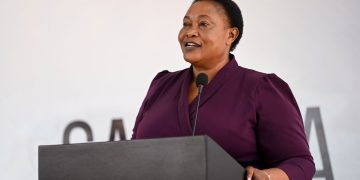
The Minister of Lands, Housing and Urban Development, Judith Nabakooba Nalule, who attended the celebrations, commended the Catholic Church for promoting the dignity of women and creating opportunities for them to participate in leadership and other areas of service.
Nabakooba encouraged women and girls to take advantage of government development programmes and other economic opportunities to improve household incomes and fight poverty. She said increased participation in productive activities would enable families to meet their daily needs and provide quality education and care for all children, regardless of gender.
The head of women in Masaka Diocese, Dorothy Nayiga Balojja, called on women to raise children who are hardworking, disciplined and God-fearing.
She said proper Christian upbringing could contribute to reducing domestic violence and family conflicts because children taught to respect God and others would be more likely to grow into responsible adults who respect their parents, spouses and community members.
Nayiga Balojja said raising children in faith, discipline and mutual respect should therefore be regarded as an important foundation for peaceful families and a stronger society.
The celebrations brought together Church leaders, women, families and other members of the community to reflect on the role of women in the Church and society, while emphasizing the shared responsibility of parents to raise both boys and girls into responsible citizens