
















The Ministry of Health has warned that Uganda’s growing burden of non-communicable diseases is exposing patients to increased risks of medication errors, delayed diagnosis, poor referrals and unsafe self-medication.
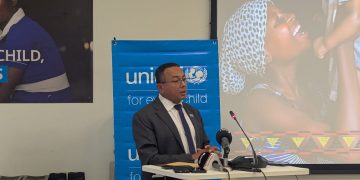
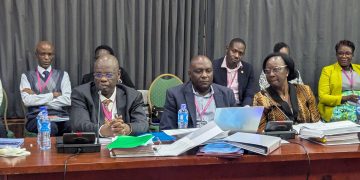
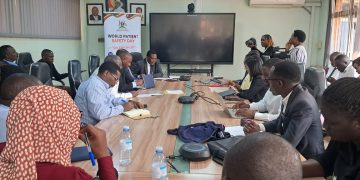
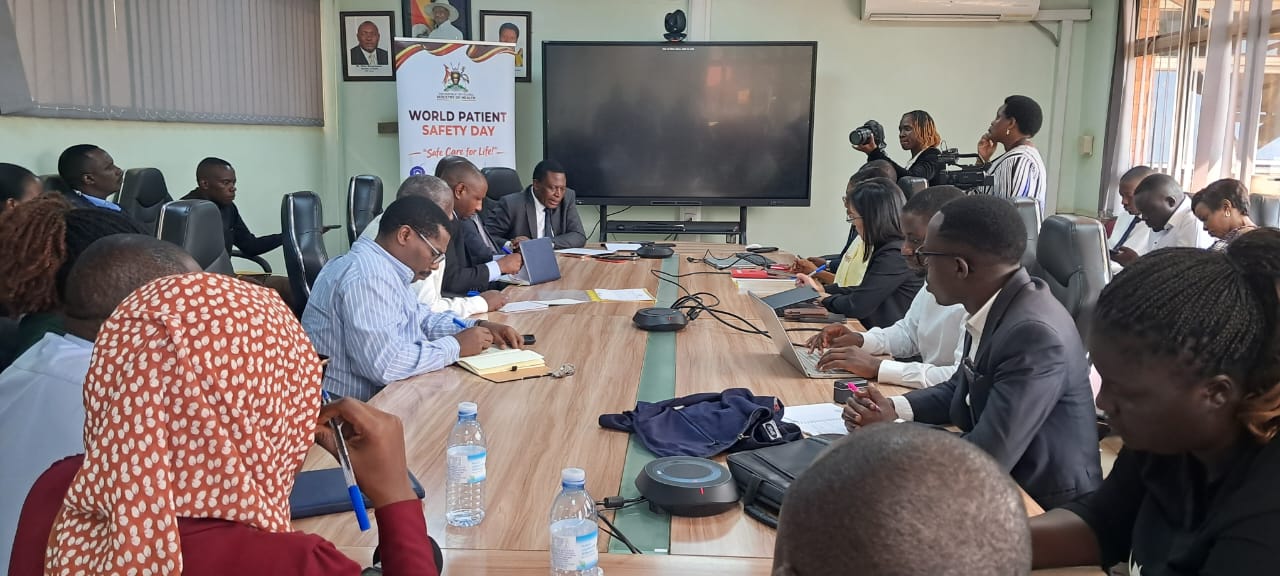
The warning was issued on Tuesday during a media engagement ahead of World Patient Safety Day, which will be commemorated on September 17 under the theme “Safe Care for Non-Communicable Diseases” and slogan “Safe Care for Life.”
Dr Charles Olaro, the Director General of Health Services, said the chronic nature of diseases such as hypertension, diabetes and cancer means patients often interact with health workers and facilities for many years, creating multiple opportunities for errors and avoidable harm.
“Once you get it, you are bound to be on medication for the rest of your life. It is a chronic disease. So all these predispose you to the risk of suffering harm along the way,” Dr Olaro said.
According to figures presented by the Ministry, 26 percent of Ugandan adults have hypertension, while about 716,000 people are estimated to be living with diabetes. Uganda also records approximately 36,000 new cancer cases annually.
Dr Olaro said the burden is compounded by late detection, noting that 60 to 70 percent of cancer patients present at stage three or four, reducing their chances of successful treatment.
He urged Ugandans to change the culture of seeking healthcare only when they fall sick and instead embrace regular screening and early detection.
“Most of the population only look at our health facilities as places which they go when they are sick,” he said, calling for routine checks for blood pressure, weight and cancers.
The Ministry also identified misdiagnosis and delayed diagnosis as major patient-safety concerns.
Dr Olaro said conditions such as stroke and heart attacks can be missed because patients may present with unusual symptoms, while infections such as pneumonia, meningitis and sepsis can initially present with similar symptoms, making diagnosis difficult.
He said diagnostic errors can also result from incomplete patient histories, cognitive bias, inadequate investigations and poor communication between health workers.
Dr Olaro urged patients to provide complete information about their symptoms and medical history and to seek a second opinion where necessary.
The Ministry further raised concern about medication errors and polypharmacy, where patients take multiple medicines that may interact with one another.
Dr Olaro warned patients against increasing doses on their own when they do not see immediate improvement, stressing that changes to prescribed treatment should be made by qualified health workers.
He also cautioned against self-medication and the use of unregulated herbal remedies, saying some products have unknown ingredients and non-standardised doses that can potentially damage body organs.
Dr Munanura Turyasiima, a Principal Medical Officer in the Ministry’s standards and accreditation unit, said patient safety should not be viewed as the responsibility of health workers alone.
“Patient safety is a shared responsibility. It requires action by patients, communities, health workers, facilities, government and partners,” he said.
He said patient safety risks include unsafe medication practices, wrong prescriptions or dosages, poor infection prevention, needle-stick injuries, delayed or incorrect diagnosis and poor documentation.
The Ministry said it has strengthened patient safety through infection prevention and control, hand hygiene, provision of protective equipment, medicine and equipment supplies, referral systems, mortality surveillance and reporting of safety incidents.
It is also working to strengthen regulation of private healthcare providers and verification of health workers to address the problem of unqualified practitioners.
Dr Olaro said the Ministry is also pursuing digitalisation of health services, which will help monitor prescription patterns and identify inappropriate prescribing and polypharmacy.
Chris Kwizera of the Uganda Non-Communicable Diseases Alliance called for patients to take a more active role in their healthcare, saying NCD statistics represent real people and families.
He urged Ugandans to understand their health risks, undergo regular screening, seek timely diagnosis and adhere to prescribed treatment.
Kwizera, however, said poverty remains a major barrier to accessing specialised NCD services, particularly for patients who have to travel long distances to obtain care.
The Ministry said the World Patient Safety Day activities will include media engagements, webinars, integrated medical camps and a national commemoration at Naguru Regional Referral Hospital.
Dr Olaro called on health workers, managers, partners, professional bodies, civil society and communities to make patient safety part of everyday healthcare.
“Let us use this week to learn and take practical actions to make NCD care safe for every Ugandan,” he said.