


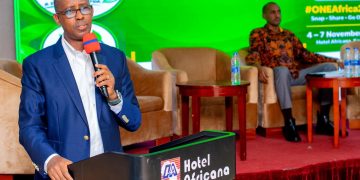

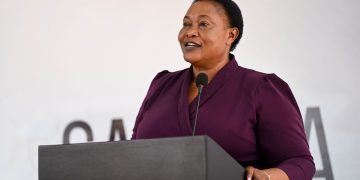



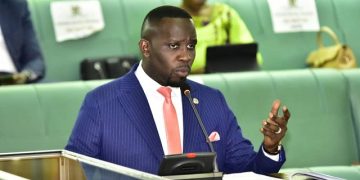








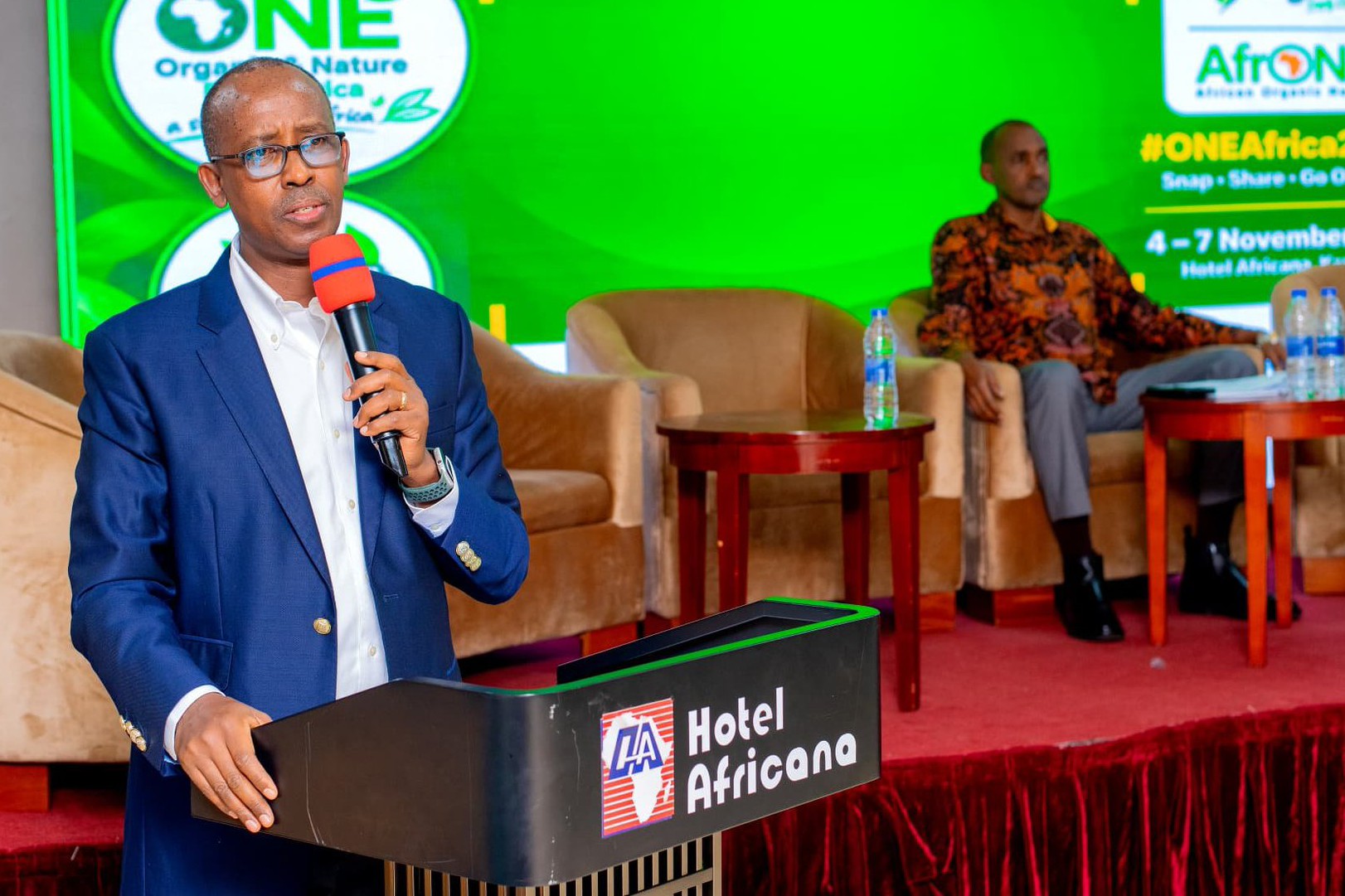
Third Deputy Prime Minister Lukia Isanga Nakadama has officially launched Uganda’s fifth National Organic Week and the first Organic and Nature Expo Africa, with government and industry leaders calling for increased investment in organic farming to tap into growing global demand for healthier food.
However, Senior Presidential Advisor and Presidential Advisory Committee on Exports and Industrial Development (PACEID) Chairperson Odrek Rwabwogo says Uganda must address production, quality, certification and market access challenges if it is to turn the growing demand into economic benefits for farmers.
Speaking during the launch at Hotel Africana in Kampala, Rwabwogo said the global shift towards health-conscious consumption presents a major opportunity for African countries, particularly those with fertile soils and relatively low use of agricultural chemicals.
He cited the estimated 830 million people living with diabetes worldwide, arguing that increasing health concerns are creating opportunities for countries capable of producing and certifying healthier food products.
Rwabwogo said organic agriculture has both health and commercial benefits but warned that Uganda cannot fully exploit the market without strengthening its agricultural value chains.
He proposed establishing regional agricultural aggregation centres where farmers could collectively store, dry, sort and process their produce, access training and organise specialised transportation.
The centres, he said, would also help farmers meet international quality standards and negotiate long-term supply contracts instead of operating individually.
Rwabwogo cited an emerging aggregation model at the Entebbe Free Zones, where companies are bringing together fruits and vegetables for export to Europe and the Middle East.
He also raised concerns about export losses arising from poor documentation and weak traceability systems, revealing that 33 food and organic product consignments had been intercepted in international markets during the first half of 2026 because of documentation errors.
He said farmers, middlemen and exporters must understand certification and documentation requirements for different destinations to avoid losing markets even when the produce meets quality standards.
Agriculture Minister Frank Tumwebaze said regulations alone would not increase the adoption of organic farming, calling for stronger agricultural extension services to educate farmers about its benefits and practical application.
He challenged agricultural researchers and extension workers to explain organic farming in simple language and local languages so that farmers can understand the difference between organic and conventional production methods.
Meanwhile, Nakadama said government recognises organic agriculture as an important contributor to agricultural transformation, environmental conservation and wealth creation.
She said Uganda’s National Organic Agriculture Policy, introduced in 2019, provides a foundation for developing the sector, adding that consultations on a Regulatory Impact Assessment are underway to strengthen its regulatory framework.
Nakadama urged stakeholders to align organic agriculture, regenerative farming and agroecology with national development priorities, including the Fourth National Development Plan, the Parish Development Model and the agro-industrialisation agenda.
Kenya Organic Agriculture Network Programme Director Samuel Ndugu also highlighted the importance of credible certification systems, including the Kilimo Hai green mark for organic products and the blue mark for agroecology, in building consumer confidence and connecting farmers to markets.
He cited Kenya’s efforts to introduce public procurement of agroecological produce for schools in Murang’a County, saying the programme is expected to begin in January 2027.
Commissioner for Crop Production Alex Lwakuba also called for collective responsibility in ensuring the sustainability of food production and the survival of Ugandans.
The event was organised by the National Organic Agricultural Movement of Uganda (NOGAMU) in collaboration with the Ministry of Agriculture, Animal Industry and Fisheries and development partners.