




















Uganda needs at least 500 additional ambulance tricycles to improve emergency medical transportation, with Prime Minister Robinah Nabbanja turning to Rotary International for support in closing the gap.
The country currently has about 200 ambulance tricycles, but the additional units are needed to ease the movement of patients from lower-level health facilities to hospitals, particularly in underserved communities where access to conventional ambulances remains limited.
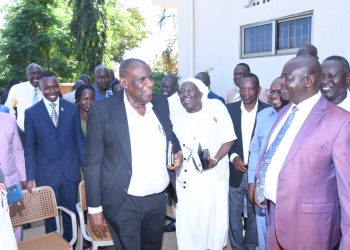
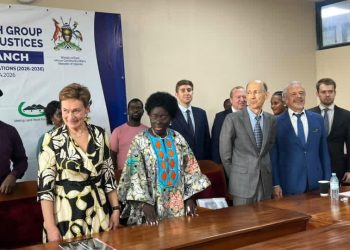
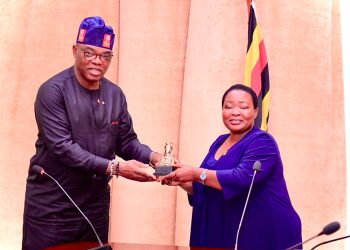
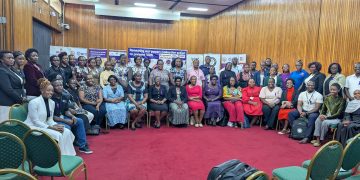
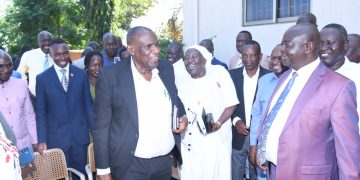
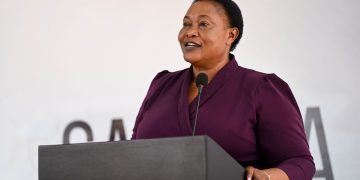
Nabbanja made the appeal during a meeting with Rotary International President Olayinka Babalola, saying the tricycles and ambulance motorcycles had become an important part of Uganda’s healthcare referral system.
She noted that although government had provided ambulances to some health facilities, more investment was required to strengthen emergency transportation, particularly at Health Centre III facilities.
The request highlights the importance of the often-overlooked journey between a local health facility and a hospital equipped to provide more specialised treatment.
For patients requiring urgent medical attention, delays in reaching a facility with the necessary medical services can complicate an already critical situation. Improving transportation at the lower levels of the health system is therefore essential to ensuring that referrals are made in time.
Nabbanja called on Rotary International to consider providing more ambulance tricycles, saying the additional support would improve access to emergency medical services, especially for communities with limited transport options.
She commended Rotary for its contribution to Uganda’s development, particularly in healthcare, education, environmental conservation and community livelihoods, describing its community-based interventions as complementary to government efforts.
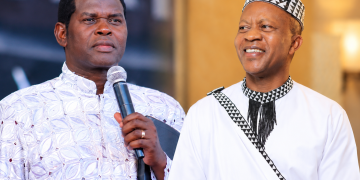
However, beyond the appeal for more equipment, Babalola challenged Rotary members to rethink how they measure the success of their community projects, arguing that launching initiatives should not be the ultimate measure of achievement.
He urged clubs to prioritise projects that remain functional and continue benefiting communities long after the ceremonies, speeches and photographs associated with their commissioning.
Babalola cited Uganda’s ambulance initiative as an example of the kind of intervention that should be sustained, revealing that two ambulances provided through Rotary support were still operational.
He said the continued use of the vehicles demonstrated the value of investing in projects that respond to actual community needs rather than activities that generate publicity but fail to deliver lasting benefits.
His remarks placed emphasis on accountability and sustainability, challenging Rotary members to regularly assess whether their interventions are still serving the people they were intended to benefit.
Babalola also thanked Nabbanja for her leadership and support for Rotary’s activities in Uganda, calling for stronger cooperation between the organisation and government.